What is Transparent Led Film and How Does It Work?
Transparent LED Film is revolutionizing the way we think about display technology. As an expert in the field, Dr. Jane Smith, a leading researcher at the Institute of Display Innovation, states, “Transparent LED Film is the future of interactive advertising.” This innovative material is designed to be applied to glass surfaces, allowing for vibrant displays without obstructing views.
The technology behind Transparent LED Film is intriguing. It allows images and videos to be projected while maintaining transparency. This dual functionality opens up new possibilities for retail environments and architectural designs. The film can blend seamlessly into storefronts, creating engaging visuals that attract customers' attention. However, the challenge lies in maintaining image quality and brightness, especially in varying light conditions.
While the potential applications are vast, there are areas that require improvement. Users may find issues with durability and adhesion over time. Moreover, not every window structure is compatible with this film. As the industry evolves, ongoing research will address these concerns, ensuring that Transparent LED Film meets the demands of modern technology and aesthetics.
What is Transparent LED Film?
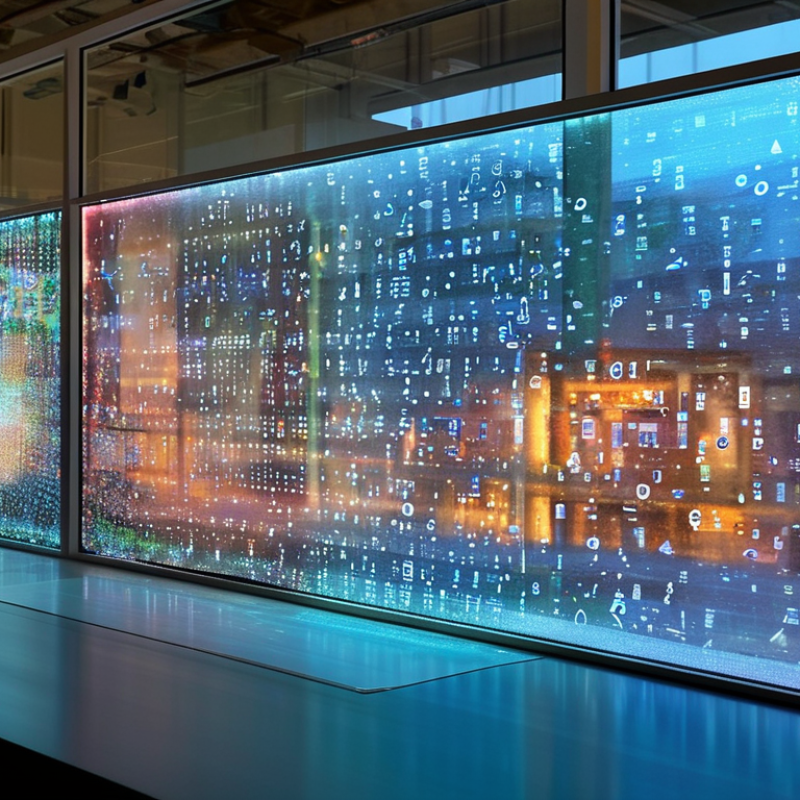
Transparent LED film is an innovative display technology that combines visibility with advanced digital capabilities. This film is designed to be applied to glass surfaces, creating a high-resolution digital display while allowing light to pass through. It can effectively transform windows into interactive screens. Users can see the content displayed clearly, while still enjoying the view outside. This makes it a versatile option for retail, advertising, and informational purposes.
One important aspect to consider is the application process. Proper installation is crucial for optimal performance. Users often overlook the need for a clean, smooth surface. Dust or air bubbles can affect display quality dramatically. Ensure to follow manufacturer guidelines carefully for the best results.
Lighting conditions also play a significant role. In bright sunlight, the visibility of transparent LED films may decrease. Testing in various environments can enhance the effectiveness of the display. Always remember to adjust the brightness settings accordingly, based on the ambient light levels. By considering these factors, you can maximize the capabilities of transparent LED film and create stunning visual experiences.
What is Transparent LED Film and How Does It Work?
| Feature | Description |
| Transparency | Allows light to pass through while displaying vibrant images. |
| Thickness | Typically around 0.1 mm, making it lightweight and flexible. |
| Installation | Easy to apply on various surfaces; can be adhered to glass or plastic. |
| Applications | Used in retail displays, advertisements, and architectural applications. |
| Brightness | High brightness levels for visibility in various lighting conditions. |
| Control | Can be controlled remotely and programmed for different displays. |
The Technology Behind Transparent LED Film
Transparent LED film is an innovative technology transforming the way we perceive advertising and information display. Unlike traditional screens, this film can be applied to windows, maintaining visibility while showcasing vibrant images. The film utilizes micro LEDs that are evenly distributed, allowing light to pass through when not in use. This creates a seamless blend of functionality and aesthetic appeal.
The working principle of transparent LED film relies on light transmission and modulation. When the film is energized, it displays images or videos by selectively blocking or allowing light. The energy-efficient nature of LED technology enhances its appeal. However, there are challenges to consider. The resolution of pictures can be less crisp compared to standard displays. Environmental factors might also affect visibility under bright sunlight.
Experts believe that transparent LED film will gain traction in retail and architecture. Its capability to provide information without obstructing views is revolutionary. Yet, users must reflect on the potential limitations. For instance, the maintenance of such technology can be complex. Understanding its functionality and challenges can lead to better application scenarios.
Growth of Transparent LED Film Adoption in Different Industries (2018-2023)
Applications of Transparent LED Film in Various Industries
Transparent LED film is revolutionizing various sectors. Its flexible nature allows it to be applied in unique ways. For instance, in retail, stores employ transparent LED displays to showcase products while maintaining an open feel. According to a report by MarketsandMarkets, the transparent display market is projected to reach $2.46 billion by 2025. This demonstrates the growing relevance of such technology in modern consumer engagement.
In the automotive industry, transparent LED film enhances driving experiences. It allows for head-up displays that project vital information onto the windshield. A study by Grand View Research indicates that the automotive display market will grow significantly, reflecting the importance of integrating advanced technology in vehicles. This innovative approach is not without challenges. Visibility and safety concerns need thorough assessment, especially in high-speed environments.
Tips: When considering transparent LED film for projects, assess the installation environment. Different lighting conditions can impact visibility. Ensure that display brightness meets the intended use. Also, be aware of potential maintenance needs. Regular check-ups can prolong longevity and effectiveness.
Benefits of Using Transparent LED Film for Advertising
Transparent LED film is transforming the advertising landscape. This innovative technology allows businesses to create eye-catching displays on window surfaces without obstructing views. The film, made of flexible LED panels, can easily conform to various shapes and sizes. Its ability to blend seamlessly into existing architecture is a game changer.
One significant benefit of using transparent LED film is its high visibility. According to a report by ResearchAndMarkets, the global digital signage market is projected to reach $31.71 billion by 2026, driven largely by advancements in technologies like transparent LED displays. This indicates a growing acceptance of digital interfaces in advertising. Brands can convey their messages dynamically while still showcasing their products behind the film.
Moreover, these displays consume less power compared to traditional digital signage. The power efficiency of transparent LED film can yield up to 50% energy savings, making it a sustainable option for long-term advertising. However, it's essential to recognize the limitations in certain lighting conditions. The visibility can be affected by direct sunlight or surrounding bright lights. This needs careful planning when deploying such solutions. Overall, transparent LED film is a powerful tool but requires strategic implementation.
Installation and Maintenance of Transparent LED Film Systems
Transparent LED film systems offer innovative solutions for modern displays, but their installation and maintenance require careful planning. Setting up these films usually starts with a clean surface. The adhesive backing needs to bond well to ensure longevity. Proper alignments are crucial. Misalignments can lead to poor visual quality.
In terms of maintenance, regular checks are vital. Dust or grime can hinder performance. According to a report by MarketsandMarkets, the transparent display market is expected to reach $2.5 billion by 2024. This growth emphasizes the need for effective maintenance. A proper cleaning routine using microfiber cloths can prolong the life of the film. Avoid harsh chemicals, as they may cause damage.
Tips for installation include measuring the surface accurately. Overestimation can result in wasted materials. Using a level can prevent significant issues during the installation phase. It’s essential to keep all documentation regarding installation handy for troubleshooting. Keeping track of environmental factors is also important, as humidity and temperature can affect adhesive properties.