
Blog

Top 10 Molybdenum Sheet Manufacturers Worldwide in 2026?

MOLYBDENUM SHEET is a demanding material, not a simple catalog item. Its value appears under heat, pressure, vacuum, and chemical exposure. A sheet may look flawless, yet fail because of hidden porosity, uneven grain structure, or inconsistent thickness.

This 2026 guide examines the Top 10 Molybdenum Sheet Manufacturers Worldwide through practical engineering criteria. These include molybdenum purity, alloy options, thickness tolerance, flatness, surface finish, production capacity, certifications, and traceability. Delivery reliability also matters. A technically strong supplier can still disappoint when documentation is incomplete or lead times change without warning.

Metallurgist George E. Dieter expressed a useful principle: “The properties of metals are determined by their structure.” That idea remains highly relevant to MOLYBDENUM SHEET selection. Rolling practice, annealing temperature, recrystallization behavior, and inspection methods can influence performance more than a polished product photograph.

This ranking is designed for engineers, procurement teams, laboratory managers, and high-temperature equipment manufacturers. It considers manufacturers serving demanding sectors, including electronics, aerospace, glass production, medical technology, and vacuum furnaces. Some rankings may remain debatable. They should.

Market data changes. Product ranges differ by region. Public specifications can also hide important limitations. Therefore, readers should verify mill certificates, ASTM or equivalent compliance, dimensions, and application testing before purchase. The strongest manufacturer is not always the largest one. Sometimes, the better choice is the supplier that answers technical questions clearly and documents every production step.
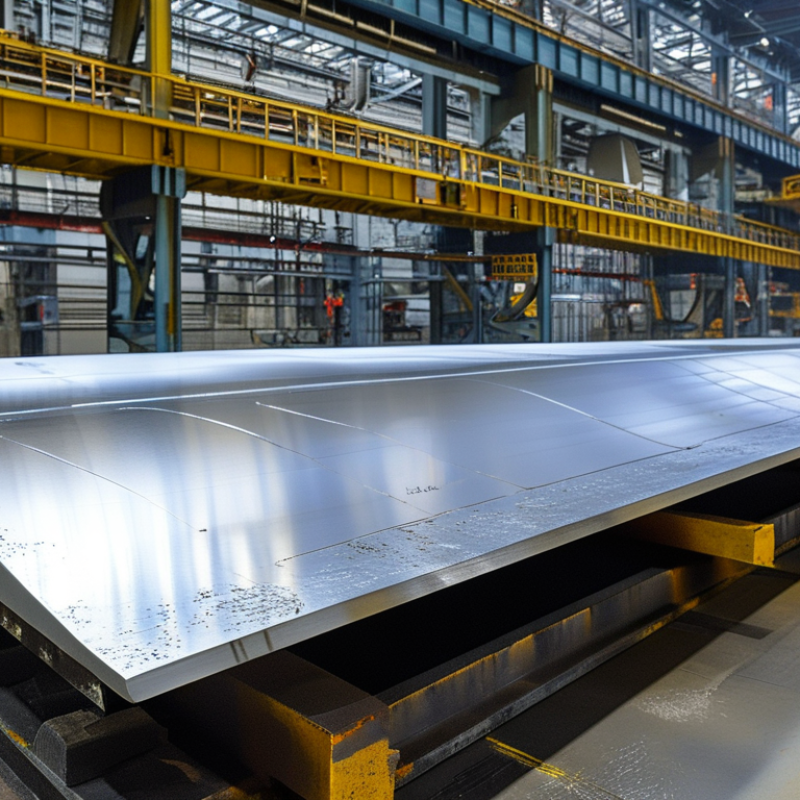
Top 10 Molybdenum Sheet Manufacturers Worldwide in 2026?

Molybdenum Sheet: Definition, Properties, and Major Applications

Molybdenum sheet is a flat, rolled product made from high-purity molybdenum. It is valued for strength at extreme temperatures.

Its melting point is about 2,623°C, while its thermal expansion remains relatively low. This stability helps components keep their shape during repeated heating and cooling. The material also offers good electrical conductivity and resistance to many molten metals.

However, it can oxidize rapidly in air at elevated temperatures. Protective atmospheres are essential.

In practical fabrication, sheet thickness, grain direction, and surface condition require careful review. Rolling may create directional properties. Bending across the wrong grain can cause cracking. This issue is easy to overlook.

Molybdenum sheet serves in vacuum furnace shields, heating elements, semiconductor equipment, sputtering targets, and high-temperature structural parts. It also supports specialized aerospace and glass-processing applications.

Performance depends heavily on purity, heat treatment, and operating atmosphere. A thicker sheet is not automatically better.

Tips:

Confirm the working temperature, atmosphere, load, and thermal cycling before selecting a grade.

Inspect edges for burrs and microcracks. Use clean tooling to prevent contamination.

For forming, warm processing may reduce fracture risk, although the correct temperature depends on thickness and condition.

Request inspection data when consistency matters. A useful specification should include purity, dimensions, tolerance, surface finish, and test standards.

Real-world service can differ from laboratory results, so prototype testing remains worthwhile.

How the Top Manufacturers Are Evaluated for the 2026 Ranking

For a 2026 ranking, molybdenum sheet manufacturers should be evaluated through measurable performance, not marketing claims. The USGS Mineral Commodity Summaries 2025 estimated global mine production at about 260,000 metric tons in 2024. That figure shows why secure raw-material access matters. However, mining scale alone cannot prove sheet quality.

The ranking should examine purity, thickness tolerance, flatness, surface finish, grain structure, and batch consistency. ASTM B386 provides a useful technical reference for molybdenum and molybdenum-alloy sheet. Auditors should review test certificates, inspection equipment, and traceability from powder or billet to finished sheet. Delivery reliability also deserves weight. A technically strong supplier may still fail if lead times fluctuate. Sustainability evidence should include energy data, waste controls, and environmental-management certification. ISO 14001 records can support this review, but certificates should never replace factory verification.

Tips: Request three recent production lots, not one sample. Compare independent test results with supplier certificates. Check how rejected sheets are handled. A weakness remains: public data rarely separates molybdenum sheet from broader molybdenum output. Therefore, the 2026 ranking should combine USGS market context, ASTM-based testing, customer references, and on-site evidence. No score is perfect. Transparent limitations make the evaluation more credible.

Global Overview of the Leading Molybdenum Sheet Manufacturers

The 2026 global top ten should be judged by capability, not visibility alone. Leading molybdenum sheet manufacturers combine powder metallurgy, vacuum sintering, hot rolling, and precision finishing. Their products serve furnace parts, semiconductor equipment, aerospace components, and high-temperature tooling. The USGS Mineral Commodity Summaries 2025 estimated global molybdenum mine production at about 260,000 metric tons in 2024. That supply base supports a competitive, but concentrated, processing industry. Regional depth matters.

A reliable manufacturer should provide heat numbers, chemical analysis, dimensional records, and traceable inspection reports. ASTM B386 remains a useful reference for molybdenum plate, sheet, and foil. Buyers should also check density, grain structure, surface condition, and tensile performance after processing. Small differences can affect service life. They can be costly.

The strongest suppliers usually offer customized thicknesses, tight flatness control, and vacuum heat treatment. Some focus on ultra-thin foil, while others produce heavier sheets for industrial furnaces. International Molybdenum Association technical data highlights molybdenum’s high melting point and strong corrosion performance in selected environments. Still, rankings remain imperfect. Public capacity figures are uneven, and shipment data is rarely comparable. A thoughtful 2026 review should therefore combine audited quality systems, export experience, delivery consistency, and independent test evidence. Data gaps remain.

Profiles of the Top 10 Molybdenum Sheet Manufacturers Worldwide

Profiles of the Top 10 Molybdenum Sheet Manufacturers Worldwide

The leading ten manufacturers differ more than capacity tables suggest. The first profile is an integrated Chinese producer with captive powder and rolling operations. The second focuses on high-purity sheets for vacuum furnaces. A third serves aerospace buyers with traceable, small-batch production. The fourth specializes in large-format plates for heat shields. The fifth combines tungsten and molybdenum processing under one quality system. The sixth targets semiconductor equipment and ultra-clean components. The seventh is a European service center with fast cutting and finishing. The eighth supplies corrosion-resistant alloy sheet for chemical processing. The ninth emphasizes custom thicknesses and laboratory quantities. The tenth competes through short lead times rather than the lowest price.

Market context supports this diversified structure. The U.S. Geological Survey reported approximately 260,000 metric tons of global molybdenum mine production in 2024, measured by contained molybdenum. China, Chile, the United States, and Peru remained major contributors. Mine output is not sheet capacity, but it reveals the supply base behind these manufacturers. The International Molybdenum Association also identifies stainless steel, engineering steel, and chemical applications as major demand areas.

Reliable profiles should examine more than advertised tonnage. ASTM B386 covers molybdenum and molybdenum-alloy plate, sheet, and foil. Buyers should verify thickness tolerance, density, surface condition, chemical analysis, and non-destructive testing. Some rankings appear precise, yet private companies rarely disclose comparable figures. That weakness deserves attention. Supplier selection should combine audit evidence, sample testing, delivery records, and realistic application experience.

Top 10 Molybdenum Sheet Manufacturers Worldwide in 2026

Representative molybdenum sheet thickness by major industrial application

The chart uses representative midpoint values from commonly specified molybdenum sheet thickness ranges. Thin sheets are widely used in semiconductor and photovoltaic components, while thicker sheets are more common in high-temperature furnace hardware, aerospace parts, and heavy industrial applications. Actual specifications vary according to material grade, purity, fabrication method, and customer requirements.

Key Factors for Comparing Molybdenum Sheet Suppliers in 2026

Comparing molybdenum sheet suppliers in 2026 requires more than checking price lists. Start with material purity, sheet thickness, width tolerance, flatness, and surface condition. These details affect furnace parts, electrical contacts, and high-temperature components differently. A supplier should provide chemical analysis, mechanical data, and batch-specific inspection reports. Ask for evidence.

Manufacturing experience matters when specifications become demanding. Experienced producers can explain powder metallurgy, sintering conditions, rolling schedules, and recrystallization behavior in practical terms. I have found that clear technical answers often reveal more than polished sales language. Small details matter. Check whether the supplier controls grain structure and can maintain stable dimensions across repeated orders. Request samples when surface finish or edge quality is critical.

Traceability should cover the raw material, production batch, inspection stage, and final packing. Reliable suppliers usually identify each sheet and preserve records for later review. Confirm their quality system, laboratory capability, and use of recognized testing methods. Delivery performance also deserves attention. Compare normal lead times, emergency capacity, export packaging, and communication during delays. A low quotation can become expensive if sheets arrive warped or poorly protected. No supplier is perfect. I would still compare complaint handling, replacement policies, and technical support before signing a long-term agreement. Some comparison tables look precise, but they may hide exclusions, minimum order quantities, or testing fees. Read the fine print carefully.

Top 10 Molybdenum Sheet Manufacturers Worldwide in 2026? - Key Factors for Comparing Molybdenum Sheet Suppliers in 2026
Rank Supplier ID Primary Production Region Typical Mo Purity Common Thickness Range Typical Sheet Width Common Material Grades Applicable Standards Available Surface Finishes Production Capability Typical Lead Time Typical MOQ Comparison Score Key Comparison Strength
1 Supplier 01 East Asia ≥99.95% 0.05–25 mm Up to 1,000 mm Mo 99.95; Mo 99.97 ASTM B386; ASTM B387 Cold-rolled; annealed; polished High-volume production 4–8 weeks 10–25 kg 92/100 Broad size range, strong export capability, and competitive production economics.
2 Supplier 02 North America ≥99.95% 0.10–20 mm Up to 900 mm Mo 99.95; TZM ASTM B386; customer specification Rolled; stress-relieved; ground Medium-to-high volume 6–10 weeks 25–50 kg 90/100 Strong documentation, traceability, and engineering support for demanding applications.
3 Supplier 03 Europe ≥99.95% 0.08–15 mm Up to 800 mm Mo 99.95; Mo 99.97; TZM ASTM B386; EN 10204 documentation Cold-rolled; bright annealed; etched Medium volume 6–12 weeks 15–30 kg 88/100 Reliable quality systems and good suitability for semiconductor and laboratory equipment.
4 Supplier 04 East Asia ≥99.95% 0.03–12 mm Up to 750 mm Mo 99.95; Mo 99.97 ASTM B386; ISO 9001 quality system Rolled; polished; custom cut Medium-to-high volume 3–7 weeks 5–20 kg 87/100 Flexible minimum order quantities and strong capability for thin molybdenum sheet.
5 Supplier 05 Central Europe ≥99.90% 0.10–30 mm Up to 1,200 mm Mo 99.90; Mo 99.95; TZM ASTM B386; DIN/EN inspection reports Hot-rolled; cold-rolled; machined High-volume production 7–12 weeks 50–100 kg 85/100 Suitable for larger plates, thermal-processing equipment, and structural components.
6 Supplier 06 East Asia ≥99.95% 0.05–10 mm Up to 600 mm Mo 99.95; Mo 99.97 ASTM B386; mill test certificate Cold-rolled; mirror-polished; slit Medium volume 4–9 weeks 5–15 kg 84/100 Good option for precision strips, shields, heating elements, and laboratory prototypes.
7 Supplier 07 North America ≥99.90% 0.15–25 mm Up to 1,000 mm Mo 99.90; Mo 99.95; TZM ASTM B386; ASTM E112 where applicable Rolled; ground; precision-machined Medium volume 6–11 weeks 25–75 kg 82/100 Strong value for thick sheet, fabricated parts, and high-temperature industrial use.
8 Supplier 08 Europe ≥99.95% 0.05–8 mm Up to 500 mm Mo 99.95; Mo 99.97 ASTM B386; EN 10204 inspection certificate Cold-rolled; annealed; electropolished Low-to-medium volume 8–14 weeks 10–25 kg 81/100 High emphasis on surface quality, cleanliness, and small-to-medium specialized orders.
9 Supplier 09 East Asia ≥99.90% 0.10–20 mm Up to 900 mm Mo 99.90; Mo 99.95 ASTM B386; ISO 9001 quality system Rolled; annealed; water-jet cut High-volume production 4–8 weeks 20–50 kg 79/100 Practical choice for standard dimensions, industrial replacement parts, and repeat orders.
10 Supplier 10 South Asia ≥99.90% 0.10–15 mm Up to 700 mm Mo 99.90; Mo 99.95 ASTM B386; supplier inspection report Cold-rolled; standard annealed; cut-to-size Medium volume 5–10 weeks 15–40 kg 77/100 Cost-focused supply option for standard-grade sheets and less complex specifications.
Comparison criteria include chemical purity, dimensional range, material grade, applicable standards, surface finish, production scale, lead time, minimum order quantity, documentation, and customization capability. Actual specifications, prices, availability, and delivery schedules should be confirmed directly with each supplier before purchase.
Go to Top