2026 Top Mechanical Fixture Manufacturers for Global Buyers
Global buyers need more than a long supplier list when selecting a Mechanical Fixture manufacturer. They need evidence of engineering capability, production consistency, and responsive support. A fixture may look simple on a drawing, yet a small locating error can affect repeatability, cycle time, and final inspection results.
Edward G. Hoffman, author of Jig and Fixture Design, states, “A fixture must locate the workpiece accurately and hold it securely.” This principle remains practical today. It applies to CNC machining fixtures, welding fixtures, Inspection Fixtures, and modular production systems.
This guide reviews leading Mechanical Fixture manufacturers for 2026. It considers design experience, material options, machining quality, tolerance control, documentation, and international communication. It also examines whether suppliers can support prototypes, low-volume orders, and stable mass production.
Look beyond impressive websites.
A reliable manufacturer should explain its datum strategy, clamping method, surface treatment, and inspection process. Buyers should also request sample drawings, capability data, and realistic delivery schedules. Certifications can help, but they do not replace technical conversations or factory verification.
The ranking is not perfect. Supplier performance can vary by project, region, and production period. Some companies excel in custom fixtures but struggle with urgent revisions. Others offer competitive pricing while providing limited engineering support. These differences matter.
The following overview is designed to help procurement teams compare manufacturers more carefully. It highlights practical strengths, possible limitations, and the questions buyers should ask before signing a purchase agreement.
Mechanical Fixtures: Definition, Types, and Industrial Applications
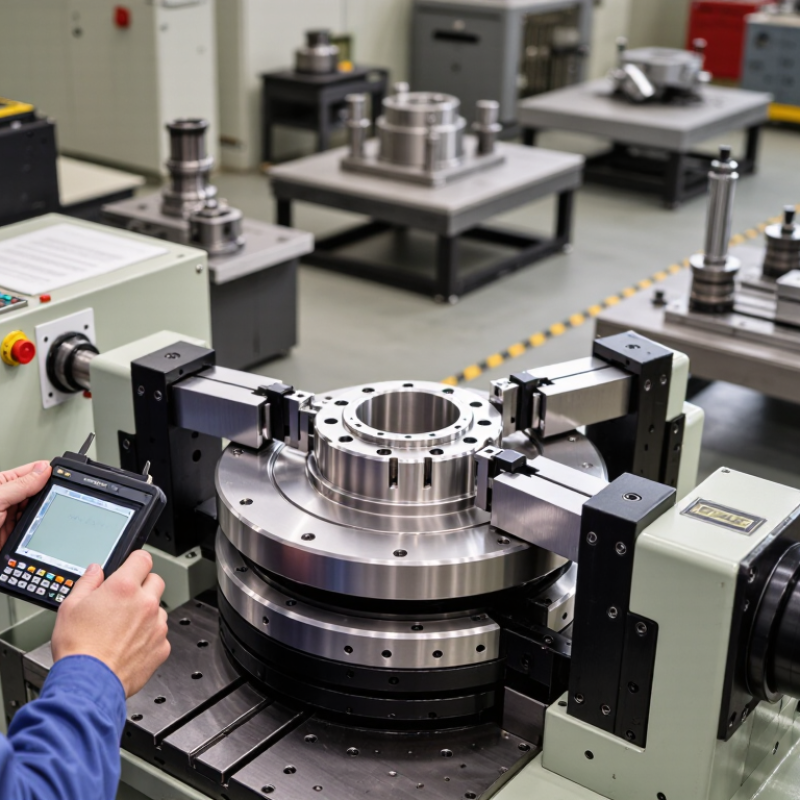
Mechanical fixtures are rigid or adjustable devices that position, support, and secure workpieces during machining, welding, inspection, or assembly. Unlike cutting tools, they control movement and repeatability. Common types include plate fixtures, modular fixtures, welding jigs, inspection fixtures, and soft-jaw systems. A well-designed fixture can reduce setup variation, protect delicate surfaces, and help operators maintain consistent clamping pressure.
Their value is becoming more visible as factories automate. The International Federation of Robotics’ World Robotics 2024 report recorded 541,302 industrial robot installations worldwide in 2023. Robots still depend on accurate part presentation. Poor locating can create vibration, collision risks, and rejected components. Deloitte’s 2024 Global Smart Manufacturing and Operations Survey also reported that 86% of surveyed manufacturers viewed smart manufacturing as important for competitiveness within three years. Fixtures must therefore support both human work and automated cells. The distinction is not always clean. Some adjustable fixtures are excellent for prototypes but inefficient for high-volume production.
Tips: Match the fixture to the process, not only the part. Check datum stability, chip clearance, ergonomic access, and replacement time. Use hardened locating points for repeated cycles. Record clamping force where possible. A simple trial run often reveals weaknesses that a computer model misses.
Profiles of Leading Mechanical Fixture Manufacturers in 2026
In 2026, leading mechanical fixture manufacturers are defined by more than production capacity. Their profiles show practical engineering experience, stable quality systems, and strong support for global buyers. Reliable manufacturers typically offer workholding fixtures, inspection fixtures, welding fixtures, and customized assembly solutions. They study part geometry before proposing a design. That step prevents costly changes later.
Experienced suppliers use hardened steel, aluminum, or engineered polymers according to load, wear, and production speed. They also provide clear drawings, tolerance data, test records, and maintenance guidance. Some manufacturers combine CNC machining with simulation and digital inspection. This improves repeatability across multiple production sites. However, no supplier is perfect. A polished catalog may hide slow communication or weak after-sales support.
Tips: Ask for sample drawings and measurable quality records. Confirm material grades, fixture life, replacement-part access, and delivery responsibilities. Review how the manufacturer handles design changes. A short video call with an engineer can reveal more than a sales presentation. Check whether the supplier understands your local standards and installation conditions. Small details matter. A fixture that fits the machine but strains the operator is not truly efficient. Buyers should also compare total operating cost, not only the initial quotation. This approach supports safer decisions and more dependable long-term production.
Comparing Capabilities, Quality Standards, and Customer Support
2026 Top Mechanical Fixture Manufacturers for Global Buyers
For global buyers in 2026, fixture capability means more than CNC equipment. Reliable manufacturers explain their machining range, tolerance control, and production capacity with evidence. Ask for sample inspection reports, material certificates, and photographs of finished assemblies. A coordinate measuring machine report is useful, but it cannot replace process knowledge. Experienced teams discuss clamping force, datum strategy, wear points, and operator safety before quoting. That conversation often reveals whether engineering support is genuine.
Quality standards should be visible in daily work, not printed only on a certificate. Look for documented inspection plans, calibrated gauges, lot traceability, and controlled revisions. ISO 9001 can indicate a structured system, yet it does not guarantee perfect fixtures. Request first-article inspection data and clear acceptance criteria before production begins. Customer support matters after delivery. A dependable supplier provides installation guidance, replacement-part advice, and timely answers across time zones. Still, response promises may sound better than reality. Test support with a detailed technical question before placing a large order.
Tips: Compare three suppliers using the same drawing and questions. Check tolerance capability against your actual process, not a brochure. Ask how defects are contained and corrected. Keep communication records. They protect both sides. Also, leave room for improvement; your specification may overlook cleaning access, changeover time, or operator fatigue.
Sourcing, Validating, and Managing International Suppliers
For global buyers, sourcing mechanical fixtures in 2026 requires more than comparing unit prices. A capable supplier should explain datum control, clamping force, material traceability, and expected cycle life. Ask for a drawing review before requesting a quotation. I also request a sample inspection report, calibration records, and photos of the actual machining area. Details matter. A polished catalogue cannot prove repeatable accuracy.
Validation should combine documents with physical evidence. Check legal company registration, export experience, quality procedures, and subcontractor controls. Then inspect a pilot fixture using agreed gauges and acceptance limits. Record flatness, hole position, surface finish, and clamping repeatability. Video calls help, but they have blind spots. An independent inspection may reveal burrs, weak welds, or unmarked steel. Do not approve based on one perfect sample.
Supplier management needs a written control plan. Define revision approval, packaging, spare parts, response times, and corrective-action deadlines. Use milestone payments tied to inspection evidence, not promises. Keep communication records in one shared file. Cultural differences can delay escalation; direct, respectful questions work better than vague pressure. I have seen buyers ignore small drawing changes, then blame production delays. That mistake is avoidable, though not always quickly. Review supplier performance quarterly, including defects, delivery variance, and engineering responsiveness.