Top 10 LCD Display Options for Global Buyers 2026?
The global market for LCD Displays is evolving rapidly. Buyers in 2026 face many options. Choosing the right LCD display can be daunting. Technological advancements drive innovation. Yet, the choices can be overwhelming.
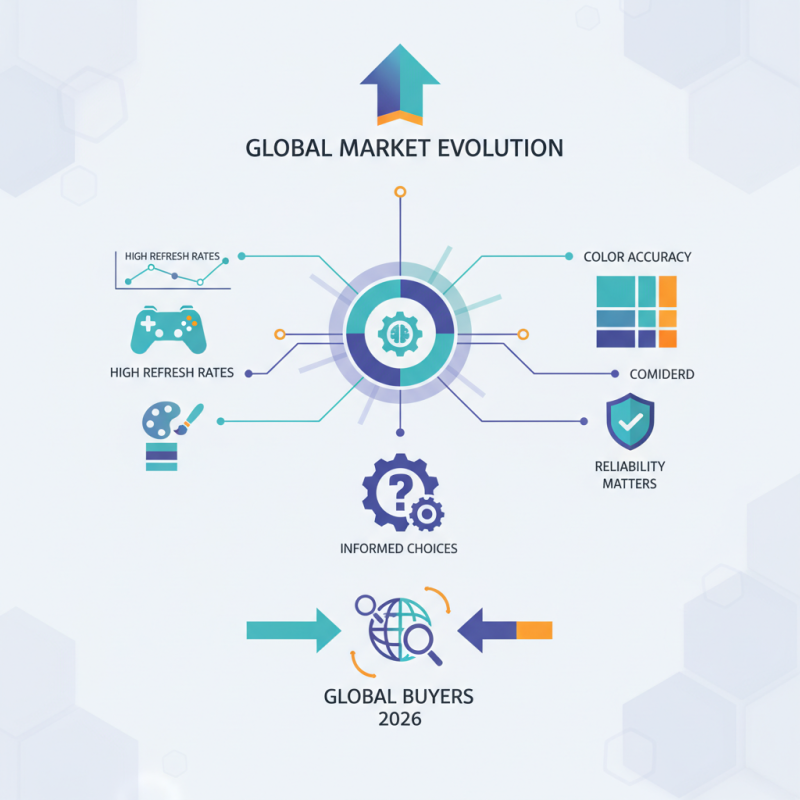
One key factor in selecting an LCD display is understanding specific needs. Different applications demand various features. For example, gaming requires high refresh rates. Meanwhile, professional environments focus on color accuracy. Buyers must consider their primary use cases carefully.
As the market grows, so do complexities. Not every LCD display meets the same standards. Manufacturers claim many things, but reliability matters. Research and informed choices are essential. A mistake can lead to poor investments. Thus, knowledge about LCD displays becomes crucial for global buyers.
Market Overview of LCD Displays: Trends and Projections for 2026
The LCD display market is evolving rapidly. By 2026, new trends will reshape the landscape. As technology improves, consumers can expect more vibrant colors and better energy efficiency. The demand for thinner and lighter displays continues to rise. These advancements may lead to cheaper production costs over time.
Tips for buyers: Focus on the resolution that meets your needs. Higher resolution offers better clarity but may cost more. Also, consider the display's refresh rate. A higher rate provides smoother visuals for gaming and fast-paced videos.
Sustainability is another key trend. Manufacturers are exploring eco-friendly materials. This shift may affect product lifespan and disposal practices. Keep an eye on how brands approach this issue. Choose displays that prioritize long-term usability over short-term trends. It's essential to make informed choices, reflecting on personal usage needs versus market hype.
Key Players in the Global LCD Display Market and Their Competitive Strategies
The global LCD display market continues to evolve. Key players adopt various competitive strategies to stay ahead. They focus on advanced technologies, sustainability, and customer preferences. Manufacturers are investing in research and development. This helps improve display resolution and energy efficiency. Brands also leverage partnerships to expand their market reach.
Tips for buyers: Understand your needs. Consider the size and resolution that best fit your projects. Think about the display's intended use. Will it be for indoor or outdoor settings? Each requires different specifications. Evaluate energy consumption, as this directly impacts long-term costs.
The competitive landscape shows rapid innovation. Companies are moving towards flexible displays and enhanced color accuracy. It’s essential for potential buyers to stay informed about these trends. Analyze how new features can enhance user experience. Many players offer trial periods, allowing experiments with the latest technology. Keep an eye on warranty conditions, too. They reflect confidence in product quality.
Emerging Technologies in LCD Display Manufacturing and Their Impact
The landscape of LCD display manufacturing is undergoing significant transformation. Emerging technologies are reshaping how displays are produced, impacting everything from efficiency to sustainability. For example, advancements in quantum dot technology enhance color accuracy and energy efficiency. According to a recent industry report, the global quantum dot display market is expected to reach $10 billion by 2026, reflecting growing demand.
3D printing is another game changer. It allows for rapid prototyping and customization of LCD displays. Companies can reduce waste and lower production costs. However, 3D printing in LCD manufacturing is still in its infancy, presenting challenges in scalability and quality control. The shift towards green manufacturing is crucial. In fact, a study from the International Display Group highlights that 70% of manufacturers plan to invest in eco-friendly practices over the next three years.
Yet, innovation comes with hurdles. The integration of new technologies requires significant investment and skilled labor. Many manufacturers struggle to adapt. The fast pace of change can also leave companies behind, especially smaller players. Balancing innovation with sustainability remains a concern in the industry. Collaboration across sectors may provide a path forward.
Consumer Preferences and Demand Drivers in the LCD Display Market
As global buyers explore LCD display options for 2026, understanding consumer preferences is crucial. The demand for high-resolution displays is on the rise. Users want sharper images and enhanced colors. This trend reflects a broader shift towards immersive experiences in entertainment and education. Consequently, manufacturers must adapt to these changing expectations.
In addition to resolution, energy efficiency is now a priority. Consumers are increasingly aware of environmental concerns. They seek displays that consume less power while maintaining quality. A significant portion of buyers is willing to pay more for sustainability. However, not all brands prioritize eco-friendly practices. This creates a gap that can lead to buyer frustration.
Moreover, the demand for versatile displays is growing. Many users desire screens that fit various applications. This includes everything from digital signage to home entertainment. Yet, some consumers struggle to navigate the plethora of options available. There is a need for clearer guidance in the market. Buyers often experience decision fatigue. As choices multiply, the complexity can be overwhelming.
Sustainability and Environmental Considerations in LCD Display Production
As the demand for LCD displays continues to rise, so does the need for sustainable practices in their production. The production process can be energy-intensive, using substantial resources. Finding ways to reduce this impact is crucial. Manufacturers are exploring eco-friendly materials and methods to lessen their carbon footprint.
Recycling is another critical aspect. Many displays end up in landfills, contributing to electronic waste. Companies are working on programs to recycle old displays effectively. This not only minimizes environmental harm but also recovers valuable materials. Each step towards sustainability helps. However, the industry still faces challenges in achieving widespread adoption of these practices.
Awareness among consumers is growing. Buyers are increasingly seeking products with a lower environmental impact. This shift drives manufacturers to reassess their processes. Transparency in sourcing materials and reducing waste is becoming essential. Despite progress, the path to sustainability is filled with obstacles. More work is needed to create industry standards that prioritize the planet.