
The global Electric Tricycle market is witnessing rapid growth. According to a recent report by Market Research Future, the market is expected to reach USD 1.22 billion by 2027. Consumer demand for eco-friendly transportation options drives this expansion.
Expert John Fitzgerald, a renowned figure in the electric vehicle industry, emphasizes, “Electric tricycles represent a blend of convenience and sustainability.” This statement highlights the growing interest in electric tricycles as practical solutions for urban commuting.
While the benefits seem apparent, challenges remain. Factors like battery life and charging infrastructure pose issues. Additionally, consumer awareness is still developing. Therefore, evaluating various options across the market is essential. Understanding the electric tricycle landscape can lead to informed decisions, crucial for anyone considering investment in this sector.
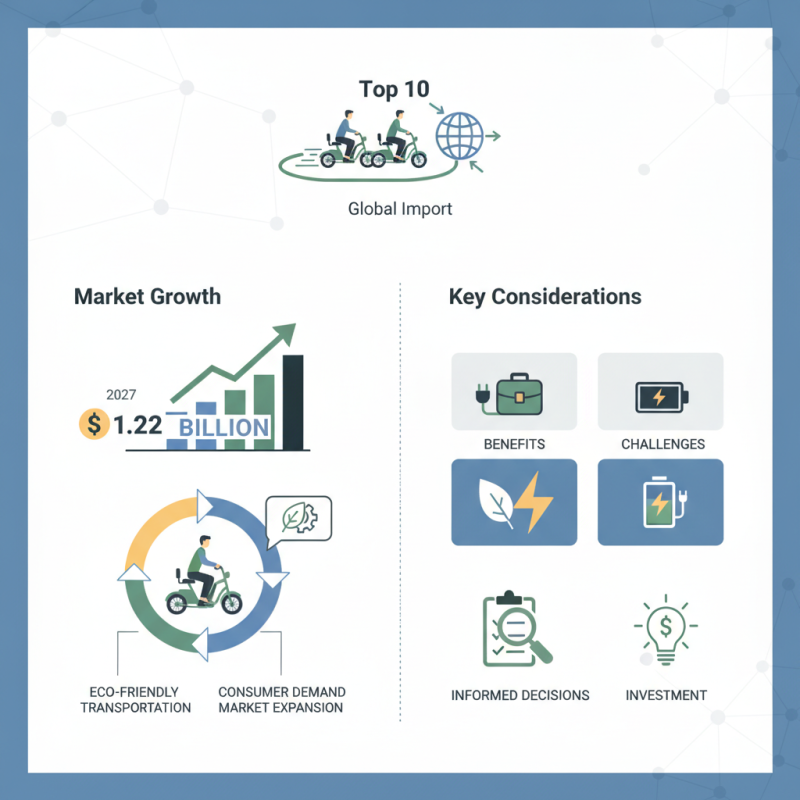
Electric tricycles have gained significant popularity worldwide due to their eco-friendly nature and versatility. With the global electric tricycle market projected to reach USD 6.85 billion by 2026, their appeal is clear. Factors such as urbanization and the rising demand for sustainable transport solutions are driving this growth. People appreciate their ability to navigate city streets efficiently while reducing carbon footprints.
Tips: When considering an electric tricycle, look for models with durable batteries. A quality battery ensures longer range and reliability. Many users often overlook the importance of weight distribution; selecting a balanced design enhances stability and comfort.
The appeal of electric tricycles is not limited to adults. They are increasingly popular for families and delivery services. In fact, the logistics industry sees tricycles as a practical option for urban deliveries. However, challenges remain. Regulatory concerns and infrastructure inadequacies can hinder their adoption in certain areas. It's crucial to stay updated on local laws regarding electric vehicle usage, as these can vary widely.
When considering electric tricycles for import, specific features are crucial. Battery capacity stands out as a primary concern. High-quality models typically offer batteries ranging from 36V to 72V. A larger capacity enhances range, allowing for longer trips without frequent recharging. Data shows that average battery life impacts the overall performance of electric vehicles significantly.
Additionally, weight capacity is essential. Many electric tricycles can support between 300 to 500 pounds. This is vital for carrying cargo or accommodating passengers. Comfort features like adjustable seats also enhance user experience. Reports highlight that user satisfaction increases with ergonomic designs.
Lastly, look for safety features. Lights, reflectors, and braking systems enhance visibility and stability on roads. According to safety reports, well-equipped tricycles reduce accident rates significantly. Yet, importers should stay vigilant about evolving safety standards and regulations, ensuring compliance for the best market acceptance.
| Model | Max Speed (km/h) | Range (km) | Motor Power (W) | Battery Capacity (Ah) | Weight (kg) | Load Capacity (kg) |
|---|---|---|---|---|---|---|
| Model A | 25 | 50 | 500 | 20 | 70 | 150 |
| Model B | 30 | 70 | 600 | 25 | 75 | 180 |
| Model C | 28 | 65 | 550 | 22 | 80 | 160 |
| Model D | 35 | 80 | 700 | 30 | 85 | 200 |
| Model E | 32 | 75 | 650 | 28 | 78 | 175 |
| Model F | 27 | 60 | 500 | 18 | 72 | 140 |
| Model G | 26 | 68 | 530 | 20 | 76 | 150 |
| Model H | 29 | 72 | 580 | 25 | 83 | 170 |
| Model I | 33 | 78 | 620 | 30 | 79 | 190 |
| Model J | 34 | 80 | 700 | 35 | 88 | 210 |
As electric tricycles gain popularity, many are considering importing them for global markets. These vehicles offer a unique combination of stability and efficiency, making them ideal for urban commutes. Electric tricycles cater to various needs, providing a practical solution for transportation, whether for personal use or delivery services. Their growing market reflects a shift towards sustainable mobility.
When exploring models, it’s essential to focus on safety features. Look for quality brakes, sturdy frames, and reliable battery systems. Some models may struggle with battery life, highlighting the importance of researching endurance ratings. Test rides can provide insights into comfort and handling, especially for those new to riding. Observing local regulations can also be beneficial, as they vary by region.
The versatility of electric tricycles is noteworthy. They can include options for cargo space or seating capacity. However, consider the terrain in your target market. Some designs may be suited for flat urban areas, while others may handle rougher landscapes better. Potential importers should weigh these factors against logistics and supply chain challenges. Balancing these elements is crucial for making informed decisions.
When considering electric tricycles for import, comparative analysis is vital. Each model from different brands offers unique features. Performance, design, and price are key factors to examine. For instance, some tricycles prioritize speed, while others focus on battery longevity. Assessing these aspects can help you identify which option meets your needs.
Tips: Test drive different models. Get a feel for their handling and comfort. This can reveal practical aspects that specifications might overlook. Look for user reviews and feedback to gain insights. Real experiences often highlight advantages and issues.
While electric tricycles promise convenience, not all options are perfect. You might find a sturdy build but limited range. Conversely, a lightweight frame may lead to enhanced maneuverability but compromise on stability. Evaluating these trade-offs is crucial. An informed decision will take into account both strengths and weaknesses.
Importing electric tricycles involves navigating various regulations. Each country has unique rules. Understand these rules to avoid costly mistakes. Compliance with safety standards is critical.
Inspection may be required before shipping. Documentation must include invoices, import permits, and compliance certificates. Be aware that regulations can change. Regularly check local laws and import requirements.
Tips: Research your target market’s preferences. This helps in selecting the right products. Also, consider environmental regulations. Some regions have stricter emissions laws.
Choosing reliable shipping partners is essential. They can guide you through complex customs procedures. Plan for potential delays in transit. Stress can arise from unexpected issues, so preparation is vital.
Phone: (256) 845-1255 or (256) 845-4493
Fax: (256) 845-1321 or (256) 845-4468
© 2025 Heritage Wire Harness, LLC