Top 5 Electric Telescoping Mast Options for Global Buyers?
In the rapidly evolving world of telecommunications, the Electric Telescoping Mast has become a vital tool. These masts enhance wireless communication by extending antennas to optimal heights. Expert David A. Johnson, a leading authority in telecom infrastructure, states, "An electric telescoping mast transforms the reach and reliability of communication systems." His insight reflects the growing importance of these masts in various industries.
The market offers numerous options, yet choosing the right one can be daunting. Each Electric Telescoping Mast varies in specifications, load capacity, and deployment speed. Buyers need to consider what fits their unique needs. Some models excel in portability, while others stand out in stability and height elevation.
Investing in the right Electric Telescoping Mast isn't merely about the immediate benefits. It's also about future-proofing communication strategies. While some products promise reliability, not all meet the rigorous demands of different environments. Thus, a thoughtful selection process is essential.
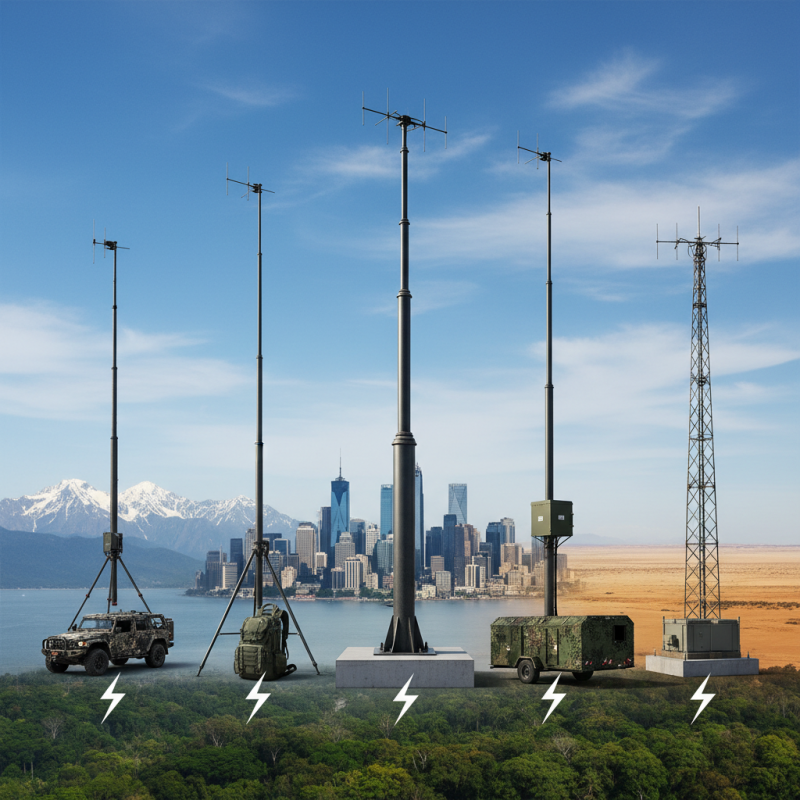
Top Electric Telescoping Mast Technologies in 2023
In 2023, the demand for electric telescoping masts has surged due to advancements in technology. These masts are crucial for various industries, including telecommunications and broadcasting. A recent industry report indicates a 15% increase in demand for electric telescoping masts over the past year, driven by innovations in remote operation and automation.
Key trends include the rise of lightweight materials. Manufacturers are exploring carbon fiber and advanced alloys, which enhance durability while reducing weight. The average weight reduction seen in newer models is approximately 20%, allowing for easier transport and installation. Moreover, improved power efficiency has become essential. Reports suggest that newer models consume 30% less energy compared to their predecessors, addressing environmental concerns.
However, challenges persist. Many users report difficulties with maintenance. Regular servicing is essential to ensure optimal performance, yet often overlooked. Some masts may require specialized tools for repairs, complicating the process. Additionally, the integration of smart technology, while beneficial, can lead to compatibility issues with existing infrastructure. Industry experts highlight the need for ongoing training for technicians to adapt to these evolving technologies.
Key Specifications to Consider when Choosing a Telescoping Mast
When choosing an electric telescoping mast, several key specifications can impact your decision. Weight capacity is essential. Ensure the mast can support your equipment. Most masts list their load-bearing limits clearly. Pay attention to materials used in construction. Aluminum is lightweight yet sturdy, while steel offers enhanced durability.
Height and extension capabilities are also critical. Consider the maximum height needed for your operations. A mast that extends higher provides better visibility. However, it may be less stable. Stability often depends on the design. Look for a base that can withstand winds and movement.
Tips: Always review user feedback. Real-world experiences can reveal potential issues. Make sure to check for warranty information. It reflects the manufacturer’s confidence in their product. Evaluate the ease of setup as well. Some masts can be cumbersome to deploy, leading to frustration on the field. Aim for balance between functionality and convenience.
Top 5 Electric Telescoping Mast Options
Market Trends and Demand for Electric Telescoping Masts Globally
The global market for electric telescoping masts is evolving rapidly. Recent research indicates a steady growth in demand, projected to reach approximately USD 1.2 billion by 2026. Factors such as increased investment in telecommunications and surveillance drive this trend. Demand for lightweight and durable materials is also increasing.
Manufacturers are recognizing the need for more versatile products. Often, the integration of smart technology is becoming a priority. The efficiency of electric telescoping masts hinges on advancements in automation. Furthermore, environmental concerns push for the development of energy-efficient models. However, not all products meet these evolving expectations. The gaps in technology can lead to inconsistent quality.
In construction and broadcasting, the usage of these masts is on the rise. For instance, the construction sector is expected to contribute significantly to market growth. Buyers are often faced with a myriad of options, and choices must reflect specific operational needs. Compatibility with existing equipment remains a crucial concern. The challenge is to balance functionality with sustainability.
Comparison of Leading Brands and Models in the Electric Mast Industry
In the electric mast industry, several brands dominate the market. A recent report indicated that the global demand for electric telescoping masts grew by 15% in 2022 alone. Buyers seek efficiency and reliability, making it crucial to compare the leading models available.
One key aspect is the load capacity. High-quality masts can support between 200 to 500 pounds. This variation helps users choose based on specific needs. Additionally, ease of operation matters. Many manufacturers are now providing remote control options. This trend demonstrates a commitment to user experience. However, some users have reported issues with the complexity of activation systems.
Power source efficiency is also significant. Power-efficient models consume up to 30% less energy compared to traditional designs. Despite this, some models have struggled with durability under harsh conditions. Users must consider both performance and maintenance costs. Comparing these factors is essential for making informed purchasing decisions. The continuous improvements in technology aim to address these concerns but there is still room for growth in design and application.
Analysis of Cost-Effectiveness and Performance of Electric Telescoping Masts
Electric telescoping masts have gained popularity due to their versatility and efficiency. These masts serve various applications, including telecommunications and surveillance. The performance of these masts often correlates with their cost-effectiveness. Buyers must closely consider both aspects when making a decision.
Performance can sometimes diminish under extreme conditions. Some masts struggle with stability, particularly in windy environments. It's essential to evaluate load capacity and wind resistance ratings. Electric mechanisms should provide smooth operation, but not all models offer consistent performance. Buyers need to seek user reviews or testing data to validate claims.
Cost is another critical factor driving selection. While affordable options exist, they might compromise on durability. Investing in a reliable mast often yields benefits in the long run. It’s wise to calculate not just the initial expense but also maintenance costs over time. Ultimately, a thorough analysis of performance and cost can lead to better choices for various applications.