Top China Outdoor Furniture Manufacturer for Global Buyers?
As global buyers seek high-quality outdoor furniture, identifying a reliable China Outdoor Furniture Manufacturer becomes crucial. In the words of industry expert Michael Wang, "The right manufacturer can elevate outdoor living experiences." His insight reveals the importance of choosing a company that combines innovation with craftsmanship.
There are countless manufacturers in China. Some offer exceptional products, while others fall short in quality or service. These disparities often leave buyers in a dilemma. It is essential to carefully assess each manufacturer’s portfolio and client feedback. Many manufacturers may promise quality, but proving it requires diligence and research.
Choosing the best China Outdoor Furniture Manufacturer means more than just price. It involves transparency in materials and production processes. Buyers should question manufacturers’ sustainability practices and labor policies. Reflecting on these aspects can lead to better purchasing decisions, guiding buyers to invest wisely in their outdoor spaces.
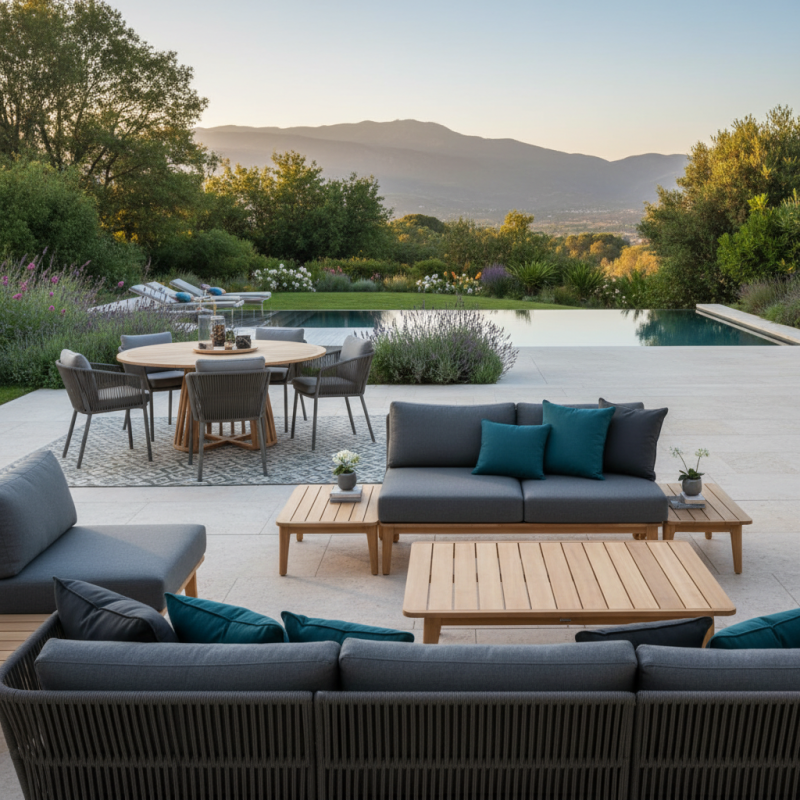
Top China Outdoor Furniture Manufacturers Overview and Industry Impact
As the global demand for outdoor furniture continues to rise, China has emerged as a key player in this sector. The country accounts for nearly 30% of the world’s outdoor furniture exports. According to industry reports, the market is expected to grow at a compound annual growth rate of 5.2% through 2025. This growth reflects not only increasing consumer interest but also the expansion of outdoor living spaces worldwide.
Chinese manufacturers have made significant strides in quality and design. Many have adopted sustainable practices, utilizing eco-friendly materials. Data from 2022 shows that 25% of outdoor furniture manufacturers in China are actively sourcing recycled materials. However, challenges persist. Issues such as inconsistent quality control and fluctuations in raw material prices can lead to unpredictable outcomes. Potential buyers must navigate these complexities carefully.
Innovation in design is vital. Manufacturers are now blending traditional craftsmanship with modern aesthetics. Despite these advancements, some companies still struggle with rapid changes in consumer trends. A recent survey indicated that 40% of manufacturers have difficulty keeping up. This gap highlights the need for continuous market research and flexible production strategies.
Top China Outdoor Furniture Manufacturers Overview
| Manufacturer Type | Annual Revenue (USD) | Export Markets | Product Range | Sustainability Practices |
| Mass Manufacturer | $50 million | North America, Europe | Chairs, Tables, Loungers | Recycled Materials Usage |
| Luxury Brand | $100 million | Asia, Australia | Premium Seating, Decor | Carbon Neutral Goals |
| Custom Solutions Provider | $30 million | Middle East, South America | Bespoke Furniture, Accessories | Locally Sourced Materials |
| Eco-Friendly Supplier | $20 million | Europe, Canada | Sustainable Furniture, Outdoor Living | Certified Green Practices |
Key Industry Statistics on Outdoor Furniture Production in China
China stands as a leading hub for outdoor furniture production. The country's vast resources and skilled labor force contribute significantly to its manufacturing capabilities. Recent statistics reveal that outdoor furniture production in China accounts for over 40% of the global market. This astounding figure showcases the scale and impact of China's manufacturing sector.
In recent years, the industry has seen robust growth. Technological advancements and automation play a key role. However, challenges persist. Issues such as quality control and environmental regulations remain pressing. Many manufacturers struggle to adapt to stricter sustainability standards. This gap can lead to inconsistencies in product quality, impacting the trust of global buyers.
Significant changes in consumer preferences drive innovation in design and materials. Woven rattan, aluminum, and weather-resistant fabrics are gaining popularity. Yet, there’s a need for continuous improvement. The industry must address gaps in eco-friendly practices and product longevity. Buyers often seek products that not only look good but also withstand the test of time. Awareness of the environmental impact can guide better choices in outdoor furniture options. The future holds potential, but production challenges must be faced head-on.
Quality Standards and Certifications for Chinese Outdoor Furniture Exporters
When considering outdoor furniture manufacturing in China, quality standards play a crucial role. Many global buyers seek products that meet rigorous certification requirements. This reflects the increasing demand for reliable outdoor furniture, particularly in markets focused on sustainability and durability.
Chinese manufacturers often pursue certifications such as ISO and CE to demonstrate their commitment to quality. These standards ensure that the materials and processes used in production meet established benchmarks. However, not all manufacturers prioritize these certifications equally. Some may cut corners, leading to quality inconsistencies. Buyers must thoroughly vet potential suppliers to avoid subpar products.
Additionally, testing for environmental compliance is becoming more significant. As eco-consciousness rises, buyers need to prioritize manufacturers who use sustainable materials. This consideration sometimes reveals gaps in manufacturers' adherence to environmental standards. Conducting diligent research can help buyers distinguish between reliable suppliers and those that may not fully meet their expectations.
Trends in Global Demand for Outdoor Furniture from China 2023
In 2023, global demand for outdoor furniture from China is evolving rapidly. With lifestyle changes and a focus on outdoor living, consumers seek durable and stylish products. According to a recent market report, the outdoor furniture market value is projected to reach $26 billion by 2025, showcasing a steady growth rate of approximately 4.5% annually.
Manufacturers in China are responding to this trend by innovating designs and utilizing sustainable materials. For instance, over 30% of buyers now prefer eco-friendly options. This indicates a shift towards responsible consumption. However, issues such as quality assurance and supply chain disruptions linger. Some manufacturers struggle to maintain consistent quality due to fluctuating raw material costs.
Another notable trend is the increased customization in outdoor furniture. Reports show that nearly 40% of consumers want personalized solutions. This demand pushes manufacturers to adapt quickly, but it can introduce complexities in production workflows. Balancing customization with efficiency is a challenge many face today. The outdoor furniture market is not just about aesthetics; it reflects changing lifestyle choices and the need for innovation amidst challenges.
Comparative Analysis of Pricing Strategies Among Leading Chinese Brands
The outdoor furniture market in China is booming, driven by increasing global demand. Recent reports indicate that this sector is projected to reach $10 billion by 2025. Leading Chinese brands employ diverse pricing strategies to capture various market segments. Most significantly, the average price of outdoor furniture from China is about 30% lower than that of American brands. Such a price advantage offers global buyers great value.
However, not all pricing strategies are effective. High-quality manufacturers often adopt a premium pricing model, emphasizing craftsmanship and sustainability. This approach positions them as eco-friendly and high-tech leaders. On the other hand, budget brands focus on volume, often compromising on materials and design. An interesting reflection emerged in a 2022 study by the Outdoor Furniture Research Council. It found that buyers are increasingly favoring quality over price, indicating a potential misalignment in current pricing strategies.
Inclusivity in pricing is essential for success. Many companies struggle to balance affordability with quality. Some suppliers face supply chain issues impacting their pricing strategies. This ambiguity reflects the need for a more nuanced approach. As global preferences shift, continuous assessment of pricing models will be vital for Chinese brands in capturing buyer interest.
Comparative Analysis of Pricing Strategies Among Leading Chinese Outdoor Furniture Manufacturers