Top 10 Bridge Rectifier Production Factories You Should Know?
The bridge rectifier industry holds significant importance in modern electronics. Reliable data shows that the global demand for bridge rectifiers continues to rise. According to a recent market analysis by Research and Markets, the sector is projected to grow at a compound annual growth rate (CAGR) of 8.5% from 2022 to 2030. This growth is driven by the increasing adoption of renewable energy sources and electric vehicles.
Dr. Alex Thompson, a well-respected expert in power electronics, emphasizes that "the efficiency of bridge rectifier production factories directly impacts the performance of many electronic systems." This statement underscores the critical role that these factories play in ensuring that high-quality components reach the market. However, inconsistency in manufacturing practices can lead to varying product reliability.
Many manufacturers face challenges in maintaining quality control amid rising demand. The balance between speed and quality often leads to production dilemmas. Identifying the top bridge rectifier production factories becomes essential for industry stakeholders. As companies strive for sustainability, the need for innovation in production methods is more pressing than ever.
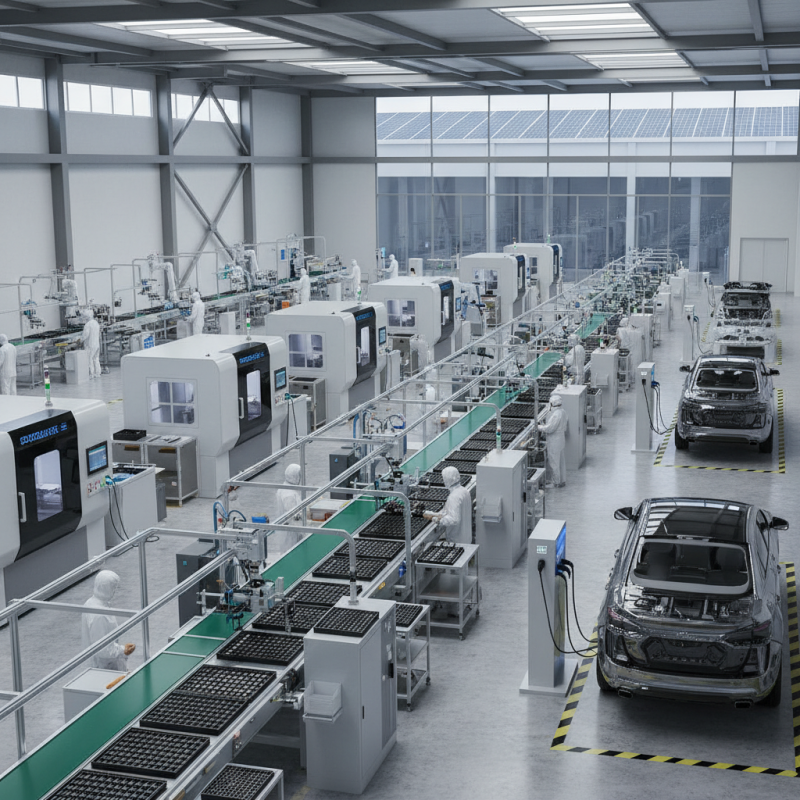
Top Manufacturers of Bridge Rectifiers Around the World
The global bridge rectifier market is evolving, driven by advancements in technology and increasing demand across sectors. According to a recent market research report, the bridge rectifier segment is projected to grow at a CAGR of 5% through 2026. This growth presents both challenges and opportunities for manufacturers.
Top manufacturers excel by innovating their production processes. They focus on improving efficiency and enhancing reliability. Some companies are investing in automation and AI technologies. This can lead to lower production costs and higher output quality. However, not all players keep pace with these advancements. Some struggle with outdated methods and inefficient supply chains.
Quality control remains a critical factor in manufacturing. Rigorous testing ensures that rectifiers perform under various load conditions. Industry reports highlight that failures in bridge rectifiers can lead to significant equipment downtime. Thus, reliable manufacturers incorporate stringent quality measures. Yet, discrepancies in standards can still arise. Addressing these issues requires continuous evaluation and adaptation of practices for better reliability.
Key Features to Consider in Bridge Rectifier Factories
When considering bridge rectifier production factories, several key features warrant attention. Efficiency in manufacturing processes directly influences product quality. Data from industry reports indicate that factories optimizing their automation reduce production errors by 30%. Automation streamlines operations and ensures consistency in output. This is crucial given the increasing demand for reliable rectifiers in power supply applications.
Another aspect is quality control. Factories employing rigorous testing protocols achieve a defect rate of less than 0.5%. Implementing comprehensive testing procedures, such as thermal cycling and load testing, can pinpoint weaknesses in design or manufacturing. These measures bolster customer confidence in product reliability.
Tips: Look for factories that showcase ISO certifications. This often indicates adherence to international quality standards. Moreover, don't hesitate to request certifications on materials used; transparency here is vital. Scrutinizing production capacity can reveal a factory's ability to meet your demand over time. Not every factory may be equipped for scale, and this could lead to delays or compromised quality. Being thorough in your research will save long-term headaches.
Innovative Technologies Used in Bridge Rectifier Production
Bridge rectifiers are vital in converting AC to DC, powering countless devices. The production process has evolved significantly, integrating innovative technologies. Automation is one key area enhancing efficiency. Robots perform precise soldering and assembly, reducing human error. This boosts the overall quality of the rectifiers produced.
Another important technology is advanced materials science. New composites improve thermal conductivity and reduce energy loss. These developments enhance the performance of bridge rectifiers in various applications. Additionally, manufacturers utilize simulation software for design testing. This minimizes the time and cost of prototyping.
**Tips**: Regularly assess production methodologies. Continuous improvement is essential for staying competitive. Look for feedback from production teams; they often provide insights that innovate processes. Furthermore, consider exploring emerging technologies like AI-driven analytics to optimize your supply chain. Ensuring product reliability should always take precedence, despite economic pressures.
Top 10 Bridge Rectifier Production Factories You Should Know
| Factory Location | Annual Production Capacity (Units) | Innovative Technology Utilized | Quality Certifications |
| Asia Region | 5,000,000 | Automated production lines | ISO 9001 |
| Europe Region | 4,200,000 | Advanced robotics | CE Certification |
| North America | 3,800,000 | IoT integration | UL Listed |
| South America | 2,000,000 | Green manufacturing processes | ISO 14001 |
| Asia-Pacific | 6,500,000 | Machine learning for quality control | TS16949 |
| Middle East | 1,500,000 | AI-driven fault detection | ISO 9001 |
| Africa | 800,000 | Eco-friendly materials | ISO 14001 |
| Central Asia | 1,200,000 | Flexible production systems | CE Certification |
| Eastern Europe | 2,500,000 | 3D printing technology | ISO 9001 |
| Northern Europe | 3,000,000 | Smart manufacturing | ISO 14001 |
Quality Control Standards in Leading Bridge Rectifier Factories
In the manufacturing of bridge rectifiers, quality control is paramount. Leading factories adhere to stringent quality control standards to ensure product reliability. Reports indicate that over 80% of rectifier failures trace back to poor quality processes. Implementing rigorous testing methods is essential. For instance, many factories utilize Automated Optical Inspection (AOI) systems to detect defects early in the production line.
Moreover, quality certifications like ISO 9001 play a significant role in these facilities. Factories certified under this standard consistently show a 20% increase in production efficiency. Regular audits help maintain compliance. They focus on process validation, environmental controls, and overall safety. Some factories face challenges in adapting to new regulations or technologies. A lack of trained personnel can lead to lapses in quality assurance.
Customer feedback is crucial for continuous improvement. Many plants collect data on customer returns and product performance. This information informs adjustments in manufacturing protocols. However, some factories overlook this feedback loop, risking quality degradation over time. Overall, maintaining high standards in bridge rectifier production is a constant balancing act.
Market Trends Impacting Bridge Rectifier Manufacturing Industry
The bridge rectifier manufacturing industry is evolving rapidly. Innovations in technology are reshaping production processes. Sustainability is becoming a focal point for many manufacturers. They are exploring eco-friendly materials and energy-efficient methods. This shift is driven by increasing consumer demand for green products. Manufacturers are under pressure to adapt.
Another significant trend is the rise of automation. Factories are investing in robotic systems to enhance efficiency. While this can improve productivity, it also raises concerns about job displacement. Companies must balance technology with workforce considerations. Increased competition is forcing firms to innovate constantly. They need to stay ahead of industry standards and regulations.
Market demands are also fluctuating. Factors like supply chain disruptions impact production capabilities. Manufacturers must navigate these challenges while maintaining quality. Consumer preferences change, and companies may struggle to keep pace. Continuous market analysis is essential for success. Adapting quickly to trends is now a prerequisite for survival in this competitive landscape.
Top 10 Bridge Rectifier Production Factories - Market Trends Impacting Manufacturing