Harness Assembly Tips for Efficient Production and Procurement?
In the fast-paced world of manufacturing, "harness assembly" plays a crucial role. Experts like John Smith, a renowned figure in the industry, emphasize, “Efficiency in harness assembly is key to reducing costs and improving quality.” His insights underline the importance of streamlined processes.
The intricacies of harness assembly demand attention to detail. Ensuring every component fits perfectly can be daunting. Mistakes in assembly stages lead to costly rework and delays. Manufacturers must prioritize training. Knowledgeable teams can significantly enhance productivity.
Additionally, adopting modern tools can transform assembly lines. Automating certain tasks reduces human error. However, it's vital to balance technology with hands-on skills. Relying solely on machines can create a disconnect. A seamless integration of human expertise and automation is necessary for optimum output.
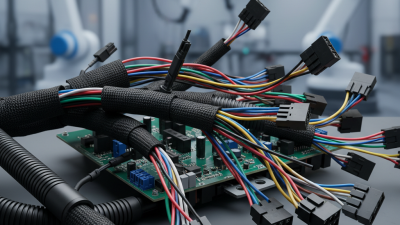
Understanding the Basics of Harness Assembly for Production
Harness assembly
is a critical process in manufacturing.
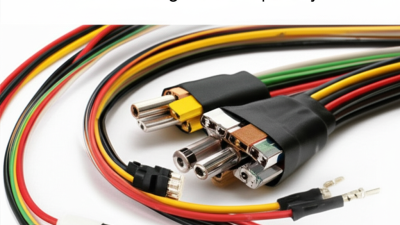
Understanding its basic components can streamline production. Each harness includes wires,
connectors, and protective sheathing. These elements work together to transmit
power and signals efficiently. Proper arrangement and organization are essential.
Poorly managed harnesses can lead to delays and increased costs.
Attention to detail is crucial during assembly.
Mistakes in wire length can result in functionality issues.
Workers must be trained to identify common errors. Regular inspections help ensure quality control.
Adopting lean manufacturing principles can reduce waste.
It’s a good practice to evaluate the assembly process regularly. Identifying bottlenecks can lead to improvements in efficiency.
Communication among team members is necessary for success.
Misunderstandings can create serious setbacks. Building a culture of collaboration fosters problem-solving.
Embracing a mindset of continuous learning allows teams to adapt.
Reflection on past projects can uncover areas for growth.
Every harness assembly presents unique challenges, requiring flexibility and innovation.
Essential Tools and Equipment for Efficient Harness Assembly
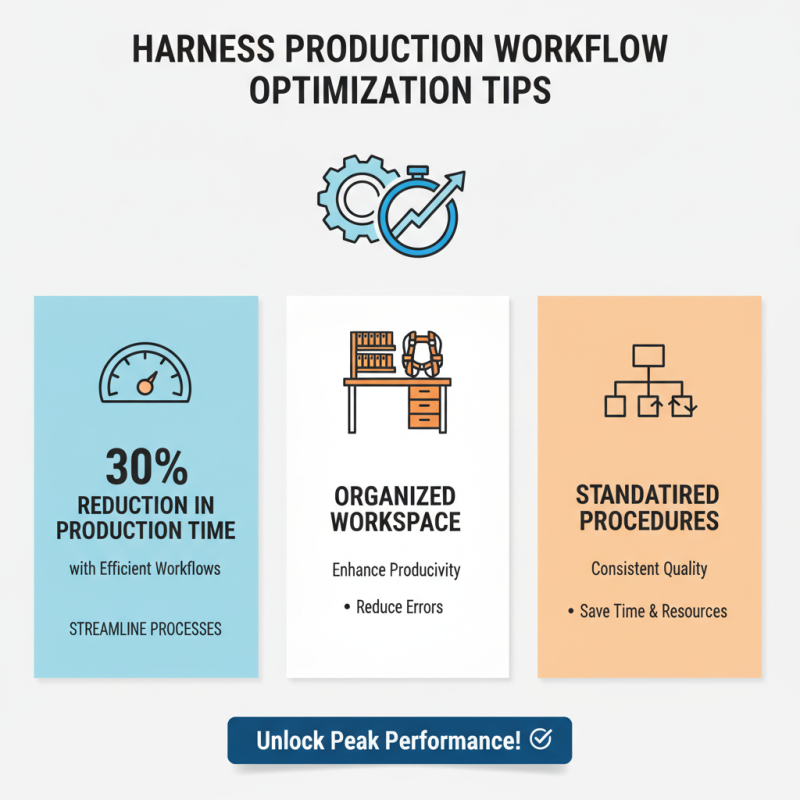
Effective harness assembly requires the right tools and equipment. A well-organized workspace is crucial for efficiency. Tools like wire strippers, crimpers, and soldering irons enhance precision during assembly. Investing in high-quality wire guide mechanisms can streamline the process, minimizing waste and errors. Additionally, using proper storage solutions keeps components neatly arranged, reducing time spent looking for parts.
Implementing ergonomic workstations can significantly improve worker comfort and productivity. Maintaining a clean environment helps prevent potential hazards. While it is vital to have the right tools, their effectiveness depends on how they are utilized. Regular training for staff ensures everyone knows the best practices. Even with the best tools, inefficiencies can arise from poor techniques or neglecting proper procedures. Continuous evaluation of the assembly process can identify areas needing improvement.
Incorporating technology, like assembly line software, can enhance tracking and management. Yet, reliance on tech should not overshadow the importance of manual skills. Balancing automation with skilled labor fosters an adaptable team capable of troubleshooting problems as they arise. This reflection on tools and practices is essential for improving efficiency in harness assembly.
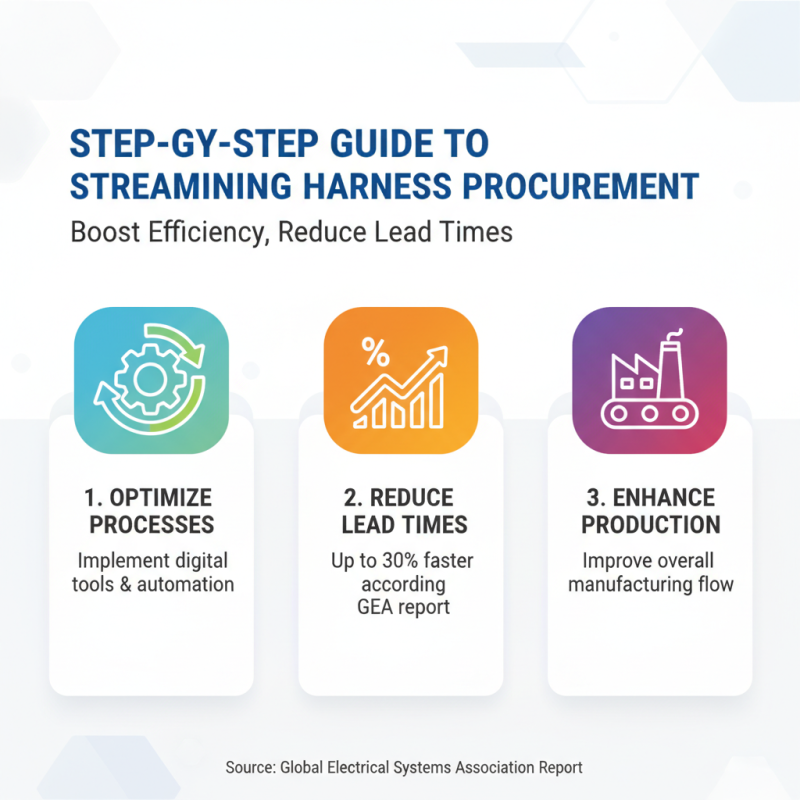
Step-by-Step Guide to Streamlining Harness Procurement
Efficient procurement of harness assemblies is crucial for manufacturers aiming to streamline operations. According to a recent report by the Global Electrical Systems Association, optimizing procurement processes can reduce lead times by up to 30%. This data underscores the impact of effective strategies on overall production efficiency.
One key approach is establishing strong relationships with suppliers. A study by the Procurement Excellence Institute suggests that collaboration can enhance communication, leading to better quality control. For example, regular meetings and feedback loops can identify potential issues early in the process. This technique minimizes delays. However, not every supplier is reliable. Evaluating performance metrics and past experiences is essential before committing.
Implementing technology, such as inventory management software, can also improve procurement practices. A survey by the Supply Chain Management Review found that companies using such tools reported a 20% increase in procurement efficiency. However, adaptation to new systems can pose challenges. Employees may resist changes, leading to inconsistencies at first. Addressing these challenges through training is important for a smoother transition.
Best Practices for Quality Control in Harness Assembly
Quality control is critical in harness assembly. Each step must be evaluated carefully. Consistent inspections help identify flaws early. This can minimize rework and reduce costs. Trained personnel should perform these checks. Their expertise enhances reliability. Documentation of each assembly phase is essential. It serves as proof and aids in process optimization.
One common oversight is assuming all components are perfect. Even new parts can have defects. Implementing a robust testing protocol can mitigate this risk. Regular audits of both assembly procedures and materials are beneficial. They reveal potential areas for improvement. Encouraging feedback from assembly staff can also uncover unnoticed issues. An open dialogue fosters a culture of quality.
Additionally, investing in training for the team pays off. Skills gaps can lead to mistakes and inefficiencies. A knowledgeable workforce is a key asset. Reinforcing standards through continuous education ensures adherence to quality measures. However, acknowledging that mistakes happen is crucial. Learning from these experiences is what drives improvements in production quality.
Harness Assembly Tips for Efficient Production and Procurement
| Assembly Step |
Best Practices |
Quality Control Measures |
Procurement Tips |
| Wiring Preparation |
Ensure all wires are stripped to the correct length |
Visual inspection of cut lengths |
Source high-quality wire from reputable suppliers |
| Connector Assembly |
Use proper crimping tools for secure fit |
Pull-test connectors after assembly |
Order connectors that match specifications |
| Harness Routing |
Follow routing diagrams carefully |
Check for obstructions in installed harnesses |
Maintain a list of routing tools |
| Testing |
Conduct functional tests before final assembly |
Document test results for accountability |
Keep spare parts for testing readily available |