Essential Tips for Choosing the Right Floor Drain for Your Needs?
Choosing the right floor drain can be a daunting task. It’s essential to understand your specific needs before making a decision. John Smith, a leading expert in plumbing systems, emphasizes this idea: “A proper floor drain can save you from future headaches.” His experience highlights the importance of selecting the right product.
Floor drains come in various designs and materials. Each type serves different functions. A residential space may require a simple drain, while commercial areas often need more robust solutions. It’s crucial to consider factors like the water flow rate and the area’s size. Not every drain fits every environment.
Mistakes in choosing a floor drain can lead to significant issues. For instance, improper drainage may cause flooding or water damage. Reflecting on your choices and doing thorough research is key. Balancing aesthetics and functionality is vital. This choice should not be rushed. Consider your specific requirements and consult with professionals when in doubt.
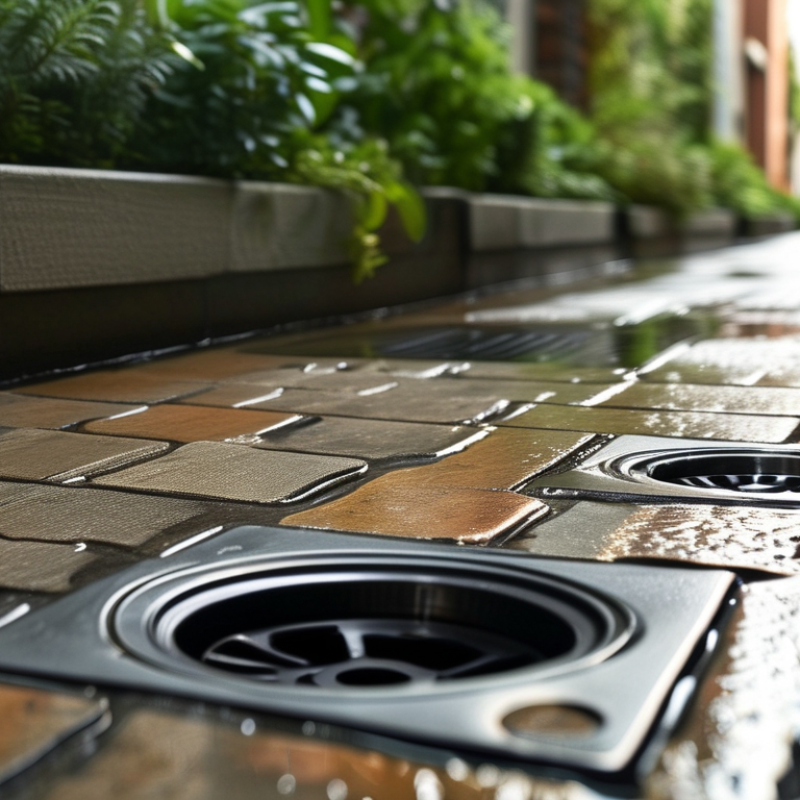
Understanding Different Types of Floor Drains and Their Applications
When selecting a floor drain, understanding the various types available is crucial. Each type serves specific needs and applications. For example, a trench drain is ideal for areas with heavy foot traffic. It efficiently collects large amounts of water. Reports indicate that trench drains can manage up to 900 gallons per minute, making them suitable for commercial spaces like restaurants or warehouses.
Conversely, point drains are best for smaller, localized areas. These drains work effectively in bathrooms and laundry rooms. They capture excess water without overwhelming the plumbing system. It's essential to consider the drainage capacity required for your specific environment. According to industry data, improper drain selection can lead to significant water damage and costly repairs.
Moreover, installing the right type of floor drain affects hygiene and safety. Improperly placed or chosen drains may not efficiently remove water. This can create slip hazards. Regular maintenance and understanding of the functionalities of your floor drain will ensure optimal performance. Engaging with professionals can guide you through the complexities of drain selection. Reliability is key in maintaining a clean and safe environment.
Factors to Consider When Selecting Floor Drains for Various Environments
When choosing a floor drain, multiple factors determine performance in various environments. Consider drainage capacity. According to industry studies, the right drain can manage upwards of 10 gallons per minute. In wet areas like kitchens and bathrooms, a higher capacity drain handles water better, preventing flooding.
Think about the material used for the drain. Stainless steel is highly recommended due to its durability and resistance to corrosion. In contrast, plastic may work in low-traffic areas but won’t endure heavy use. Depending on the environment, you might need to reflect on the lifespan of materials.
Tip: Ensure the drain's design fits your space. A recessed grate can reduce tripping hazards, making it ideal for high-traffic areas. For outdoor installations, be mindful of debris and choose a drain with a larger opening. Always focus on practicality rather than aesthetics, as this decision impacts functionality.
Lastly, check local building codes. Compliance not only guarantees safety but also minimizes future costs. Reliable data shows that improper installations can lead to increased maintenance expenses. Reflecting on these aspects helps you choose the right floor drain that meets your needs.
Evaluating Floor Drain Materials for Durability and Maintenance
When selecting a floor drain, material choice significantly impacts durability and maintenance. Common materials include stainless steel, PVC, and cast iron. Stainless steel is favored for its corrosion resistance and sleek appearance. According to a report by the National Association of Home Builders (NAHB), nearly 40% of construction professionals prefer stainless steel for its longevity in varied environments.
PVC drains, while cost-effective, may not withstand heavy loads or high temperatures. A study by the American Society of Civil Engineers (ASCE) found PVC drains have a lifespan of only 10-20 years under stress. Conversely, cast iron offers remarkable strength and durability, lasting over 50 years in many cases. However, it can rust if not properly maintained.
Each material has its trade-offs. Stainless steel is easily cleaned but can cost more upfront. PVC is budget-friendly, yet it requires replacement sooner. Understanding these nuances is essential for making an informed decision. Reflecting on these factors may reveal gaps in knowledge. Have you considered how your choice aligns with your specific needs? Assessing material performance can lead to better, longer-lasting outcomes.
Sizing and Installation Guidelines for Optimal Drain Performance
Choosing the right floor drain involves understanding sizing and installation guidelines. Proper sizing ensures efficient drainage. A drain that’s too small will clog easily. Conversely, an overly large drain can lead to poor water flow, causing stagnant pools.
Here are some tips to consider. Measure the area where you plan to install the drain. Knowing the dimensions helps in selecting an appropriate size. Always factor in the volume of water anticipated. For showers and laundry rooms, higher flow rates might be necessary. Additionally, consider the location of the drain. It should be easily accessible for maintenance and cleaning.
Installation plays a critical role too. Ensure the drain slopes towards the outlet. A level drain can lead to water pooling, which creates a breeding ground for bacteria. Use appropriate materials that can withstand moisture. Remember, improper installation can lead to future headaches. Reflect on these aspects during your selection process to ensure optimal performance.
Essential Tips for Choosing the Right Floor Drain for Your Needs
| Drain Type | Sizing Guidelines | Installation Recommendations | Optimal Use |
| Linear Drain | Width: 3-6 inches; Length: determined by area | Install along seams; ensure slope towards drain | Showers, Pools, Patios |
| Square Drain | 4x4 to 12x12 inches, depending on area | Place in corners or midpoints; concrete sloping required | Kitchens, Basements, Bathrooms |
| Trench Drain | Length: customizable; Width: 4-12 inches | Best in areas with heavy runoff; install with proper slope | Driveways, Industrial Areas, Warehouses |
| Wall Drain | Standard sizes (3-4 inches) | Flushed into wall; slope towards drain | Laundry Rooms, Utility Areas |
| Treasure Drain | Customizable based on size; 2-8 inches | Ensure proper installation with catch basin | Outdoor Gardens, Landscaping |
Common Mistakes to Avoid When Choosing a Floor Drain
Choosing the right floor drain can be overwhelming. Many people overlook key factors that influence performance. A major mistake is ignoring the drain's capacity. According to industry studies, 65% of floor drain issues stem from improper sizing. Make sure to calculate the expected water flow rate. Use local building codes as a guideline to determine the required capacity.
Another frequent mistake is not considering the material. Different materials offer varied durability and corrosion resistance. For example, stainless steel drains are ideal for commercial settings. However, many homeowners opt for cheaper plastic, which may not hold up under heavy use. This can lead to costly repairs down the line.
Lastly, not factoring in installation requirements can be detrimental. Some drains demand complex installation procedures. Avoid mismatching drainage systems, as this can lead to leaks and water damage. According to a 2021 plumbing report, improper installation accounted for 40% of drainage-related issues. Clear communication with your installer is crucial to avoid these pitfalls.