Top Tips for Choosing a Dynamic Gas Distribution Instrument?
Choosing a Dynamic Gas Distribution Instrument can significantly impact efficiency and safety in various applications. According to Dr. Emily Harris, a leading expert in gas measurement technology, “Selecting the right instrument is crucial for accurate gas distribution analysis.” Her insights emphasize the importance of understanding the specific needs of your application.
When considering a Dynamic Gas Distribution Instrument, it's essential to evaluate accuracy, range, and durability. Many instruments vary in features. Users often overlook calibration requirements. This can lead to inaccurate readings and operational challenges. A well-calibrated instrument ensures reliability over time.
Moreover, it’s vital to seek expert advice. Each project's demands differ, making one-size-fits-all solutions ineffective. A tailored approach can enhance performance. Investing time in research pays off. The right Dynamic Gas Distribution Instrument not only meets current needs but anticipates future requirements. Remember, choosing the right tool can minimize risks and optimize processes.
Understanding Dynamic Gas Distribution Instruments and Their Importance
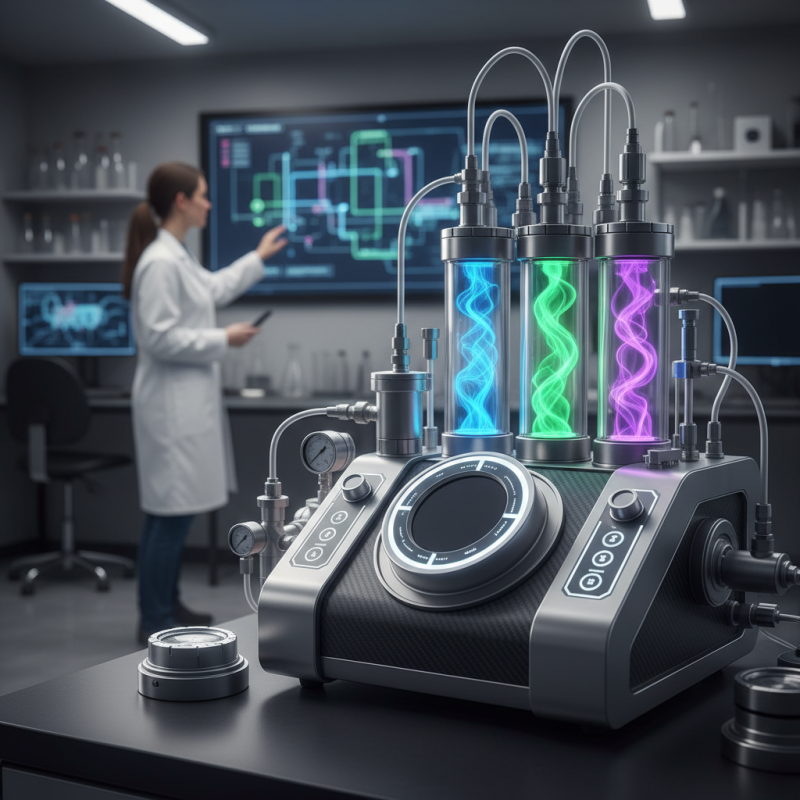
Dynamic gas distribution instruments play a crucial role in various industries. They ensure precise control of gas flow, which is vital for safety and efficiency. These instruments help in maintaining optimal performance in processes such as combustion and chemical reactions. Understanding their functionality and specifications is essential for making informed choices.
Choosing the right instrument can be challenging. Factors such as measurement range, sensitivity, and reliability must be considered. Not every instrument will suit every application. Practical experience often highlights the need for trials. It's essential to connect with experts who understand the specific uses of these tools. Gathering insights from different sectors can provide valuable perspectives.
Proper calibration and maintenance are key to maximizing performance. Over time, even the best instruments may require adjustments. Regular checks can help identify wear and tear, ensuring accuracy. Reflecting on your operational needs will lead to better long-term decisions. Continuous learning and adapting to technology will enhance your ability to select the best dynamic gas distribution instrument for your needs.
Key Features to Look for in Dynamic Gas Distribution Instruments
When selecting a dynamic gas distribution instrument, it's crucial to focus on its key features. Precision is vital. Look for devices that offer accurate measurements, ensuring reliable performance over time. Poor accuracy can lead to significant errors in gas distribution, raising safety concerns.
Consider the response time of the instrument. A fast response time enables quick adjustments in various applications. Instruments with slower reactions might lead to inefficiencies and could even affect operational safety. It’s worth pondering how delays might impact your specific needs.
Durability is another essential aspect. Instruments are often exposed to harsh environments. Choose models that can withstand extreme temperatures and pressures. This ensures longevity and consistent performance. It's always good to reflect on how weatherproofing might save money in the long run.
Keep an eye out for user-friendly interfaces. Complicated systems can lead to operator errors. Intuitive designs enhance usability, allowing quick training for staff. Ultimately, balancing these features can help you make the best choice for your operational demands.
Evaluating Accuracy and Precision in Gas Distribution Measurement
When selecting a dynamic gas distribution instrument, evaluating accuracy and precision in measurement is crucial. Accurate measurements can significantly impact operational efficiency and ensure safety standards are met. According to recent data from the International Society of Automation, deviations as small as 0.5% can lead to considerable errors in compliance with regulatory requirements.
Tips for ensuring accuracy include regular calibration of instruments. Calibration helps maintain the reliability of readings and can identify drift in measurement over time. Furthermore, training staff on proper usage and maintenance is essential. Operators must understand the specific characteristics of the instrument, including its response time and sensitivity.
Precision also plays a key role in gas distribution measurements. Instruments that offer consistent results over multiple tests are preferred. Studies indicate that precision can be improved with advanced sensor technology. However, the complexity of these instruments may lead to operational challenges. Assessing the trade-offs between precision and ease of use is important for effective implementation. Prioritize tools that not only boast high precision but also fit seamlessly into your existing systems.
Considerations for Compatibility with Existing Systems
When choosing a dynamic gas distribution instrument, consider how it aligns with existing systems. Compatibility impacts efficiency and safety. A recent industry report highlighted that 40% of gas distribution failures stem from integration issues. Understanding current infrastructure is essential.
Investigate the specifications of potential instruments. They must match existing pipelines and pressure requirements. Gas composition is another critical factor. Instruments should accurately handle varied gas types without compromising performance. Incompatibility can lead to dangerous leaks or operational failures.
Training staff is vital too. Ensure your team knows how to operate new instruments with existing systems. The American Gas Association recommends a thorough training program to minimize risks. While it's tempting to rush into upgrades, careful planning prevents costly mistakes. Your investment in compatible instruments pays off in the long run.
Maintenance and Support for Long-term Reliability of Instruments
Choosing the right gas distribution instrument is crucial for effectiveness and safety. Yet, maintenance and support play a vital role in ensuring long-term reliability. Regular inspections can uncover small issues before they escalate. It’s easy to overlook simple wear and tear. A minor leak can cause a significant setback.
Developing a maintenance schedule is essential. Tracking performance metrics will help identify any inconsistencies. Consider establishing a log for changes and repairs. This practice fosters accountability. It also aids in decision-making when investing in new instruments. Training staff on proper usage can minimize deterioration.
Support systems, including manufacturer services or third-party expertise, add tremendous value. They provide troubleshooting assistance, which is helpful in urgent situations. Access to knowledgeable resources builds confidence. It’s important to evaluate these services periodically. Are they meeting your expectations? Adapting your approach based on feedback ensures continuous reliability in your operations.
Top Tips for Choosing a Dynamic Gas Distribution Instrument
| Criteria | Importance Level | Recommended Maintenance Frequency | Support Availability |
| Accuracy | High | Monthly Calibration | 24/7 Customer Support |
| Durability | Medium | Biannual Inspection | Business Hours Support |
| Readability | High | Quarterly Check | Email Support |
| Ease of Use | High | Annual Review | Live Chat Support |
| Cost Efficiency | Medium | Annual Evaluation | Documentation Support |