Top Steel Grating Supplier Trends to Watch in 2026?
The steel grating industry is evolving rapidly. As we look toward 2026, several trends are expected to shape the landscape for Steel Grating Suppliers. According to industry expert Emily Tran, “Innovation in materials will redefine steel grating applications.” Her insights highlight the need for suppliers to adapt to new technologies and market demands.
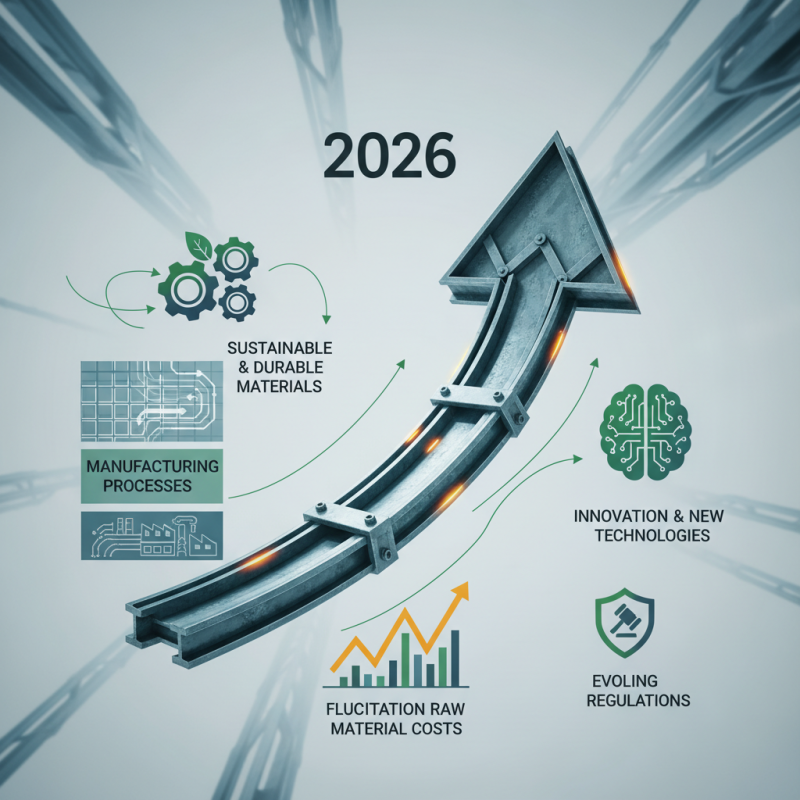
The demand for sustainable and durable products is growing. Steel grating suppliers must stay ahead of these trends. There is an increasing interest in eco-friendly materials. Suppliers that incorporate this will gain a competitive edge. Embracing advancements in manufacturing processes is also crucial. These changes may lead to improved product performance and longevity.
However, the landscape isn't without challenges. Suppliers must navigate fluctuating raw material costs and evolving regulations. Also, not all suppliers are equipped to handle these changes effectively. It will be interesting to observe which companies innovate successfully and which do not. This uncertainty invites reflection on the future of steel grating suppliers. The next few years could be pivotal for the industry.
Emerging Technologies in Steel Grating Manufacturing for 2026
Emerging technologies in steel grating manufacturing promise significant advancements in efficiency and sustainability by 2026. One notable trend is the increased use of automation. Automated machinery can enhance precision and speed in production. This shift reduces human error, but it also raises concerns about job displacement. Manufacturers must carefully balance technology with workforce stability.
Another critical development is the integration of smart materials. Steel gratings infused with sensors can monitor structural integrity and environmental conditions in real-time. These innovations offer valuable data for maintenance, but they demand robust cybersecurity measures. Protecting sensitive information is essential to maintain trust.
Sustainability remains a vital focus. Recycled materials are becoming more commonplace in steel grating production. This not only lowers raw material costs but also addresses environmental impacts. However, the quality of recycled materials can be inconsistent. Manufacturers need to invest in quality control processes to ensure durability and performance. Balancing cost, innovation, and sustainability will define the future of steel grating manufacturing.
Top Steel Grating Supplier Trends to Watch in 2026 - Emerging Technologies in Steel Grating Manufacturing
| Trend | Description | Impact on Industry | Estimated Adoption Year |
| Smart Grating Solutions | Integration of IoT sensors for monitoring | Increased efficiency and safety | 2026 |
| Sustainable Materials | Use of recycled steel in manufacturing | Reduced carbon footprint | 2025 |
| 3D Printing Technologies | Custom designs through additive manufacturing | Greater design flexibility | 2026 |
| Improved Coating Techniques | Innovations in corrosion-resistance | Extended lifespan of products | 2025 |
| Automation in Production | Robotic systems for efficiency | Lower production costs | 2026 |
Sustainability Practices Among Leading Steel Grating Suppliers by 2026
In 2026, sustainability will become a focal point for steel grating suppliers. The global steel industry is projected to decrease carbon emissions by 20% by 2026. Many suppliers are already adopting eco-friendly practices. These practices include using recycled materials, reducing energy consumption, and improving waste management. Recent reports indicate that approximately 30% of steel used in grating production will come from recycled sources. This shift signifies a growing commitment to sustainability.
Another significant trend is the integration of innovative technologies. Suppliers are exploring advanced manufacturing techniques such as 3D printing and automation. These technologies can reduce material waste and energy use. A recent study highlighted that companies implementing such technologies have reduced their production costs by 15%. This emphasizes efficiency and environmental responsibility.
However, the transition to sustainable practices is not without challenges. Many suppliers struggle with the upfront costs of new technologies. There is also a lack of standardized metrics to measure sustainability efforts effectively. This could hinder progress in achieving sustainability goals. The industry must address these obstacles to truly embrace sustainable practices by 2026.
Market Demand Trends for Steel Grating in Various Industries by 2026
As we approach 2026, the demand for steel grating across various industries is set to significantly evolve. The construction sector remains a primary driver, with increased urbanization prompting a rise in infrastructure projects. This will likely lead to higher orders for durable and versatile steel grating solutions. Industries such as oil, gas, and wastewater management also show promising growth. These sectors increasingly prioritize safety and maintenance, creating a steady need for grating materials.
In the agricultural industry, steel grating is becoming essential for flooring in livestock facilities. Farmers seek products that withstand heavy loads and provide excellent drainage. The push for sustainability adds complexity. Many producers recycle steel to meet environmental standards. Yet, sourcing quality raw materials remains a concern, leading to inconsistencies in supply.
Meanwhile, challenges persist in adapting to specific industry needs. Customization is essential, but producing tailored solutions can increase lead times and costs. Buyers are seeking immediate availability without compromising on quality. Manufacturers face pressure to balance innovation with practicality, making the future of steel grating an intriguing landscape to observe.
Innovations in Steel Grating Design and Functionality for 2026
As we look toward 2026, innovation in steel grating design is poised to significantly enhance functionality across various sectors. Reports indicate that the global steel grating market is expected to reach USD 5.7 billion by 2026, driven by the rising demand for safety and durability in industrial applications. Designers are focusing on lightweight materials without compromising strength. This addresses the growing need for more efficient production processes.
Further advancements include the integration of anti-slip surfaces. This is crucial in environments such as chemical plants and oil refineries. Recent studies show that 70% of workplace accidents stem from slips and falls. Thus, enhancing safety features in steel grating is becoming a priority. Furthermore, eco-friendly materials and sustainable manufacturing processes are gaining traction. The industry now acknowledges its responsibility towards environmental impact. However, transitioning to greener methods can be complex and requires careful consideration.
Numerous manufacturers are also exploring customizable solutions to meet specific client needs. This shift towards bespoke designs often leads to higher costs and longer lead times. Critics argue that the focus on personalization may distract from standardized safety measures. Innovation is necessary, yet it must not overshadow essential performance metrics. Balancing creativity with reliability will be the key challenge for steel grating suppliers in 2026.
Competitive Landscape of Steel Grating Suppliers in 2026
In 2026, the competitive landscape of steel grating suppliers is expected to shift significantly. Emerging technologies are altering how these suppliers operate. Advanced manufacturing methods, such as automated production lines, allow for increased efficiency. However, some companies may still rely on traditional techniques, which could hinder their competitiveness.
Sustainability will play a crucial role. Suppliers prioritizing eco-friendly practices will gain an advantage. These practices include using recycled materials and reducing waste. Not all suppliers will adapt quickly to these changes. Some may face challenges in sourcing sustainable materials, impacting their market position.
Customer demands are evolving too. Buyers are increasingly seeking customizable options. Suppliers must be agile, able to adapt to specific requirements. Yet, not all companies will succeed in this pivot. Those unwilling to innovate may find themselves losing market share. Additionally, suppliers with strong supply chain networks will likely outperform others. As the market evolves, companies that embrace change will have the best chance of thriving.