Ultimate Guide to Stainless Steel Sequence Valve for Buyers?
In the world of industrial hydraulics, the Stainless Steel Sequence Valve stands out for its reliability and efficiency. According to a recent market report by Industrial Flow Solutions, the demand for stainless steel components has surged by 25% in the last three years. These valves are not only corrosion-resistant but also enhance the overall performance of hydraulic systems.
Expert Thomas Granger, a leading voice in fluid control systems, emphasizes the importance of choosing the right components. He stated, "The right materials and design in sequence valves can prevent costly system failures." As industries increasingly prioritize durability, understanding the specifications of Stainless Steel Sequence Valves becomes crucial.
However, prospective buyers face challenges navigating this complex market. Variability in quality, manufacturing standards, and prices requires careful consideration. Making an informed decision is key to avoiding pitfalls. Analyzing both technical details and real-world applications can lead to smarter investments. This guide aims to demystify the selection process and empower buyers with practical insights and knowledge.
What is a Stainless Steel Sequence Valve and Its Functionality?
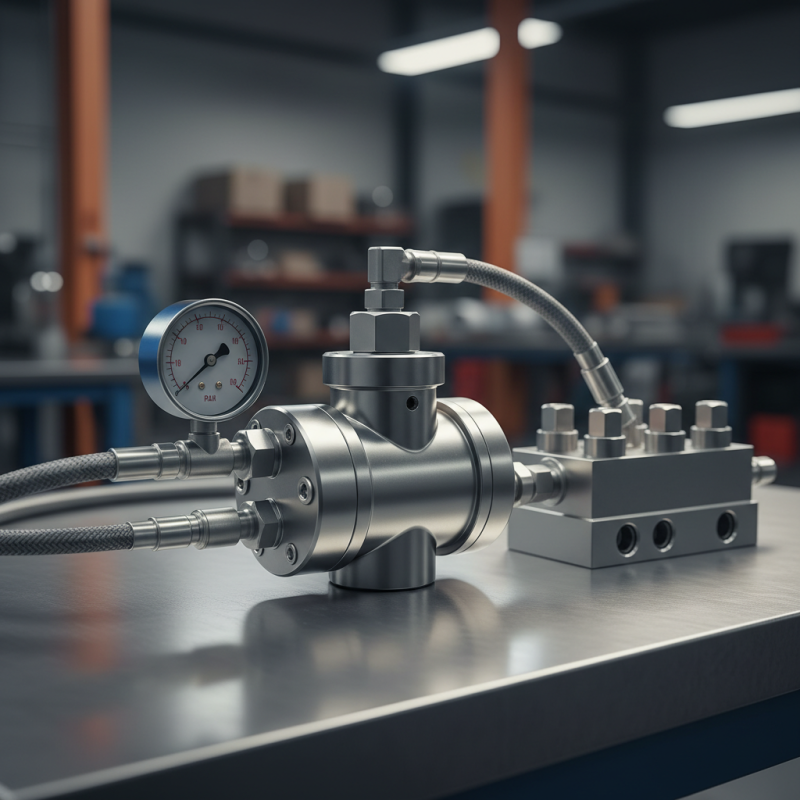
A stainless steel sequence valve is an essential component in hydraulic systems. It controls fluid flow, ensuring that cylinders extend or retract in a predefined order. In many applications, precise sequencing enhances efficiency and safety. According to a report by MarketsandMarkets, the hydraulic valves market is projected to reach $6.1 billion by 2027.
The functionality of these valves lies in their design. They typically comprise multiple ports and a unique mechanism that facilitates flow control. This design allows for pressure differentials to dictate the valve's operation. For instance, when fluid pressure reaches a specific level, the valve directs flow to the correct cylinder. This precision is vital in automated manufacturing and construction, where timing and control are crucial.
However, issues can arise. For example, incorrect installation or wear can lead to malfunction. Regular maintenance is essential to ensure reliable operation. Integrating sequence valves can introduce complexity. Understanding their capabilities and limitations is vital for maximizing performance. Thus, seeking expert advice is advisable for optimal selection and application.
Key Advantages of Using Stainless Steel Sequence Valves in Systems
Stainless steel sequence valves are crucial components in various systems. They offer significant advantages that improve efficiency and longevity. One key advantage is their resistance to corrosion. This makes them ideal for environments where moisture is a concern. Unlike other materials, stainless steel can withstand harsh conditions while maintaining functionality. This durability ensures a longer lifespan, which can reduce replacement costs.
Another benefit is their precision in flow control. Stainless steel sequence valves maintain consistent pressure and flow, enhancing system performance. This precision helps avoid pressure drops or surges, which can damage other components. It is vital for users to understand how essential these valves are in preventing system failures.
However, installation can pose challenges. Proper calibration is necessary to ensure optimal performance. Mistakes in setup can lead to inefficiencies, undermining the valve’s advantages. Users must invest time in understanding their specific systems. Balancing ease of use with effective performance is essential for achieving the best results in any application.
Factors to Consider When Selecting a Stainless Steel Sequence Valve
When selecting a stainless steel sequence valve, several key factors must be evaluated. The design and material quality of the valve play a crucial role in its performance and longevity. Stainless steel is favored for its corrosion resistance, making it suitable for various applications. Not all stainless steel is created equal; consider the grade carefully. Different grades can affect durability and resistance to chemicals.
Another important factor is the valve’s flow capacity. Determine the maximum flow rate needed for your application. An oversized valve can lead to inefficiencies. Conversely, a valve that is too small can lead to pressure issues. Take precise measurements and calculations into account.
Installation and maintenance are often overlooked but are essential. A complex valve might require specialized tools or expertise. Training may be necessary to ensure proper handling. Regular checks should be part of your routine to prevent unexpected failures. Though these concerns may seem minor, they can significantly impact operational reliability. Reflecting on these aspects will help ensure you make a well-informed decision.
Maintenance and Troubleshooting Tips for Stainless Steel Sequence Valves
Maintaining stainless steel sequence valves is crucial for optimal functioning. Regular inspections are essential. Check seals and connections for wear. Rust or corrosion can compromise valve integrity. Cleaning these components prevents buildup. A simple routine can extend the valve's lifespan.
Troubleshooting involves looking for common issues. If the valve fails to respond, it could be due to a blockage. Inspect the inlet and outlet thoroughly. Sometimes, it’s just a matter of tightening fittings. Listen for unusual sounds during operation. These can indicate internal wear or misalignment.
Taking proactive measures can save time and money. Documenting maintenance activities establishes a reliable history. This information helps in identifying recurring issues. Everyone makes mistakes, so it's vital to review past maintenance steps. Mistakes often lead to valuable lessons that improve future performances.
Different Applications for Stainless Steel Sequence Valves in Industry
Stainless steel sequence valves play a vital role in various industrial applications. These valves are designed to control fluid flow in hydraulic systems, ensuring that operations run smoothly. In the aerospace industry, for example, these valves help manage the fluid control in landing gear systems. This precision is crucial for safety and reliability in such high-stakes environments.
In manufacturing, stainless steel sequence valves are used to automate machinery. They ensure that components move in the correct order, which boosts efficiency. Certain processes, such as injection molding, rely heavily on these valves to maintain consistent pressure. However, improper installation can lead to issues. Regular maintenance and inspections are needed to ensure optimal performance. It’s a detail that can be overlooked but is essential for preventing downtime.
Food and beverage industries also utilize these valves. Here, hygiene and material compatibility are paramount. Stainless steel is ideal due to its resistance to corrosion. Yet, not all setups are the same. Understanding specific needs and conditions is crucial for selecting the right valve. Each application comes with its own unique challenges. Hence, industry professionals must continually evaluate and adapt their systems. Remember, no solution is one-size-fits-all.