What is Rubber Conveyor Belt Featured at the 139th Canton Fair?
The 139th Canton Fair highlights the significance of the Rubber Conveyor Belt industry in today's manufacturing landscape. Industry expert Dr. John Smith, a leading figure in conveyor technology, states, "The efficiency of rubber conveyor belts is unmatched in material handling." This remark captures the essence of innovation presented at the fair.
Rubber conveyor belts are critical components in various sectors, including mining and logistics. Their durability and flexibility allow them to handle heavy loads efficiently. Visitors at the Canton Fair can explore advanced designs that push the boundaries of traditional rubber conveyor belts.
The introduction of AI features at the 2026 Canton Fair enhances the experience for buyers. Attendees can easily locate suppliers who specialize in high-quality rubber conveyor belts. However, as the industry evolves, it faces challenges like sustainability and waste management. Reflecting on these aspects is crucial for future developments. The focus on eco-friendly materials will shape the next generation of rubber conveyor belts.
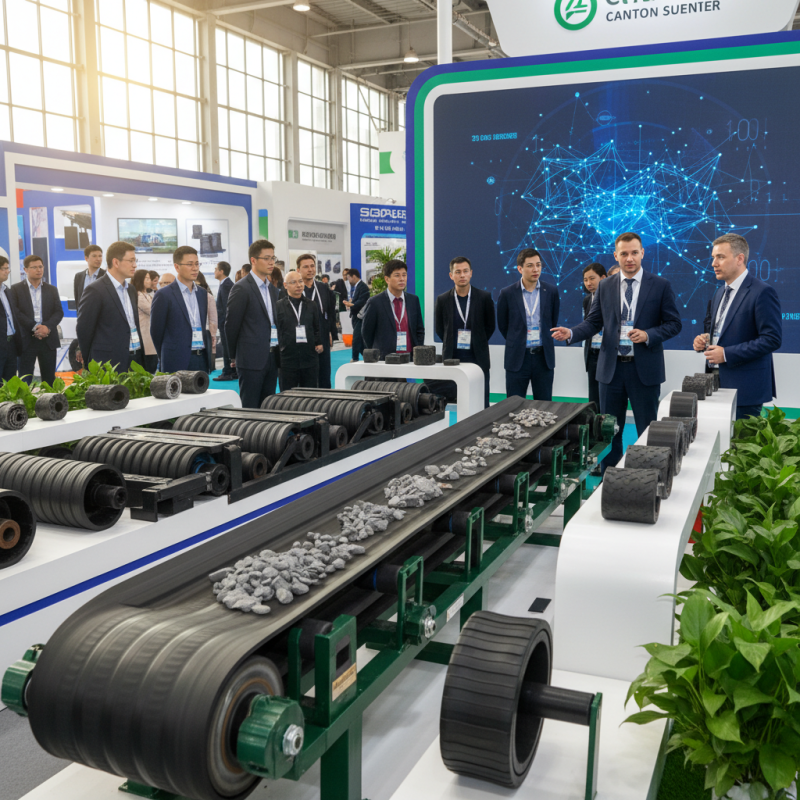
Overview of Rubber Conveyor Belts at the 139th Canton Fair
Rubber conveyor belts play a crucial role in manufacturing and logistics. At the 139th Canton Fair, these belts captured significant attention. They are essential for efficiently transporting materials across various industries. The global rubber conveyor belt market was valued at approximately $4.6 billion in 2022 and is projected to grow steadily in the coming years, reaching near $6.2 billion by 2028. This growth reflects increasing demand in sectors such as mining, agriculture, and manufacturing.
During the fair, visitors saw a wide range of products with diverse specifications. There were belts designed for heavy-duty applications and others more suited for light material handling. The exhibitions revealed advancements in materials used, enhancing durability and flexibility. However, some displayed products did not meet industry standards, sparking critical discussions about quality control in manufacturing.
Tips: Always check the specifications of rubber conveyor belts before purchasing. Look for certifications that guarantee quality. Understanding the specific needs of your industry is vital in avoiding costly mistakes. Not all rubber belts will suit every application, which is a common misunderstanding. Many professionals left the fair pondering how to better align products with operational needs.
Key Features and Innovations in Rubber Conveyor Belts
The 139th Canton Fair highlighted some exciting innovations in rubber conveyor belts. These belts showcased remarkable flexibility and durability. Many models featured enhanced resistance to abrasion and wear, which is crucial for heavy-duty applications. Improved designs aimed to reduce downtime in industries where efficiency is vital.
One standout innovation was the integration of eco-friendly materials. Manufacturers are now focusing on sustainable practices. These materials not only support the environment but also maintain performance. The belts are lighter yet stronger, which can help in reducing energy consumption during operation. However, some attendees raised questions about the long-term performance of these newer materials.
Another interesting feature was the customization options available. Businesses can tailor the belts to fit unique operational needs. This flexibility can significantly improve workflow efficiency. Yet, some users might find it challenging to select the right specifications. This complexity could lead to delays and misunderstandings. Balancing innovation with user-friendly solutions may require further development.
Industry Applications Showcased at the Canton Fair
The 139th Canton Fair showcased rubber conveyor belts in various industry applications. These belts have critical roles in sectors such as mining, agriculture, and manufacturing. Their ability to transport bulk materials efficiently makes them indispensable.
According to industry reports, the global rubber conveyor belt market is projected to grow by 4.5% annually through 2025. This reflects rising demand across sectors. For instance, in mining, rubber conveyor belts handle heavy loads in challenging environments. They endure abrasion and extreme temperatures, ensuring operational efficiency. However, quality control remains an issue; subpar materials can compromise performance.
In agriculture, these belts facilitate smooth operations in processing plants. They help move grains and chemicals swiftly. Yet, not all conveyor belts meet exact safety standards. Some operational challenges persist, such as maintenance requirements and operational downtime. Companies must address these concerns to enhance overall productivity. The Canton Fair provides a vital platform for stakeholders to discuss innovations and solutions in the rubber conveyor belt industry.
Comparative Advantages of Rubber Conveyor Belts Over Alternatives
Rubber conveyor belts play a vital role in many industries. Their advantages over alternatives are noteworthy. A report from the International Conveyor Belt Association states that rubber belts can handle heavy loads better than fabric or metal belts. This makes them ideal for mining and heavy manufacturing. Their durability is evident; rubber can withstand harsh conditions, while fabric belts may wear out quickly.
Cost efficiency is another critical factor. Rubber conveyor belts have a longer lifespan, resulting in lower replacement costs. According to industry statistics, rubber belts can last up to 10 years with proper maintenance, while alternatives might only last 3-5 years. This longevity makes them attractive for investment.
Despite the advantages, some challenges exist. Rubber belts can be costly upfront. Maintenance requirements may also be higher due to their composition. Regular inspections are necessary to identify wear and tear. Being proactive can save significant costs in the long run. In this light, choosing rubber conveyor belts demands thoughtful consideration of both benefits and drawbacks.
Comparative Advantages of Rubber Conveyor Belts Over Alternatives
Future Trends in Rubber Conveyor Belt Technology and Market Demand
Rubber conveyor belts are becoming more vital in various industries. They are essential for material handling and transportation. The demand for these belts is rising, driven by automation and logistics improvements. The 139th Canton Fair showcases these advancements in technology.
New trends in rubber conveyor belts focus on durability and efficiency. Manufacturers are creating belts that withstand extreme conditions. These innovations help reduce downtime. Additionally, eco-friendly materials are gaining traction. Sustainability is becoming a significant factor for consumers. The market is responding to these changes with better products. However, not all products meet these new expectations. Some still lack quality and reliability.
Challenges remain for manufacturers. Adapting to the rapidly evolving market can be difficult. Some companies struggle to keep up with demand. The integration of smart technology is another concern. While it presents opportunities, it also requires investment. Balancing cost and innovation is crucial for success. As the rubber conveyor belt market evolves, addressing these issues will be key for future growth.
What is Rubber Conveyor Belt Featured at the 139th Canton Fair? - Future Trends in Rubber Conveyor Belt Technology and Market Demand
| Feature | Details | Market Demand (2023) | Future Trends |
| Material Composition | High-quality rubber compounds with resistance to wear and temperature | Increased demand in mining and construction sectors | Development of eco-friendly materials |
| Belt Width Options | Available in various widths to accommodate different applications | Customization increasing based on industry needs | Trends towards modular conveyor systems |
| Surface Texture | Textured surfaces for better grip and material handling | Growing need for enhanced performance in logistics | Integration of smart technology for monitoring |
| Durability | Long-lasting with resistance to various environmental factors | Demand for high durability belts in heavy industries | Research on self-repairing materials |
| Market Trends | Shift towards automation and AI in material handling | Increase projected growth rate of 5% annually | Focus on sustainable production processes |