What is an Industrial Hydraulic Press and its Applications?
An Industrial Hydraulic Press is a powerful tool widely used in manufacturing and production. It operates on the principle of hydraulics, utilizing fluid pressure to compress materials. This mechanism enables it to exert a substantial force on objects, making it invaluable in various applications. Industries often rely on this equipment for tasks such as metal forming, crushing, and material testing.
The versatility of the Industrial Hydraulic Press allows it to be adapted for different processes. From automotive parts production to creating intricate designs in metalwork, it has numerous applications. However, its operation requires careful handling due to the immense forces involved. Safety measures are essential to prevent accidents.
Understanding the complexity of an Industrial Hydraulic Press can lead to better utilization. There may be instances of misuse or inefficient application. Learning from these situations enhances competence in using this machinery effectively. Overall, the Industrial Hydraulic Press stands as a testament to engineering innovations in modern industry.
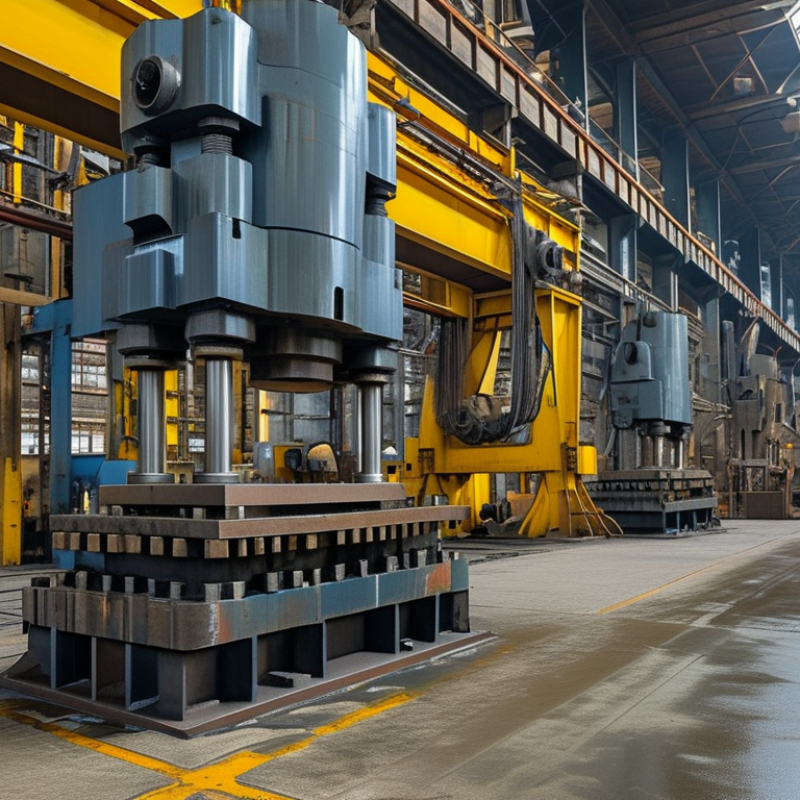
Definition and Purpose of Industrial Hydraulic Presses
Industrial hydraulic presses are crucial machines in manufacturing. They use hydraulic force to shape, mold, or cut materials. The press operates by converting fluid pressure into mechanical force, making it a powerful tool for various applications. According to a recent industry report, the market for hydraulic presses is projected to reach $2.8 billion by 2027, showcasing their growing importance in sectors like automotive and aerospace.
The primary purpose of an industrial hydraulic press is to provide precise and consistent application of force. This efficiency makes them ideal for tasks such as metal forming, plastic molding, and even food processing. For instance, they can exert forces ranging from 1 to over 500 tons, depending on the design and requirements. While these machines offer remarkable capabilities, their operation requires careful oversight. Operators must be trained to manage hydraulic systems safely and efficiently, as improper usage can lead to accidents.
Moreover, the use of hydraulic presses comes with environmental considerations. The hydraulic fluid can pose risks if not handled correctly. Compliance with safety standards is crucial to prevent leaks and accidents. As industries evolve, there is a pressing need for improved technologies to enhance safety and reduce environmental impact. While hydraulic presses prove effective, continuous reflection on their operational practices is necessary for sustainable success.
Key Components and Mechanisms of Hydraulic Presses
Industrial hydraulic presses are powerful machines that utilize hydraulic force to shape, mold, or compress materials. Key components of hydraulic presses include the hydraulic cylinder, the pump, and the control valves. The hydraulic cylinder generates the required force, while the pump supplies hydraulic fluid under pressure. Control valves regulate fluid flow. This basic mechanism allows hydraulic presses to exert significant pressure, often exceeding 1,000 tons.
The applications for hydraulic presses are diverse. They are widely used in automotive, aerospace, and manufacturing industries. According to a recent report from Global Market Insights, the hydraulic press market is projected to grow at a rate of 4.2% annually. The demand for efficient material handling solutions drives this growth. Industries benefit from the precision and strength of hydraulic presses, making them suitable for stamping, forging, and sheet metal forming.
When using hydraulic presses, it’s important to conduct regular maintenance. Inspections of oil levels and seals are crucial. Improper maintenance can lead to poor performance. It’s beneficial to maintain a schedule for these checks.
Ensure safety during operations. Operators should wear appropriate protective gear. Understanding the machine's functions can prevent accidents. Training is essential for effective and safe use. Regularly revisiting safety protocols can also enhance operational efficiency.
Applications of Industrial Hydraulic Presses
Common Applications in Manufacturing and Industry
Industrial hydraulic presses play a crucial role in manufacturing processes. These powerful machines are used to shape, mold, and assemble various materials. According to recent industry reports, the global hydraulic press market is projected to grow at a CAGR of 4.5% over the next five years. This increase highlights the pressing need for efficient and reliable machinery in various sectors.
One common application of hydraulic presses is in metal forming. They can shape metal sheets into intricate designs for automotive and aerospace components. In fact, around 60% of hydraulic presses are employed in the metal industry. These machines ensure precision and repeatability, which are vital for production quality. Another significant application lies in plastic production, where hydraulic presses create molds used to manufacture consumer goods. Studies show that nearly 25% of presses are utilized for plastic molding.
When considering a hydraulic press for your operation, remember to evaluate its safety features. A lack of proper safety measures can lead to workplace accidents. Regular maintenance is also essential to ensure efficiency and extend the press's lifespan. Investing in operator training is vital. Inadequate training can result in misuse, leading to costly errors.
Advantages of Using Hydraulic Presses in Production Processes
Hydraulic presses are widely used in various industries due to their efficiency and effectiveness in production processes. Their main advantage is the ability to exert immense pressure with relatively minimal effort. This capability allows for high precision and repeatability, which are crucial in manufacturing settings. For instance, a study by Grand View Research indicates that the global hydraulic press market is expected to reach USD 5.3 billion by 2025, reflecting a notable growth trend.
Using hydraulic presses in production also leads to significant cost savings. They consume less energy compared to mechanical presses, yet provide higher force. This efficiency results in lower operational costs over time. Additionally, hydraulic presses can handle a diverse range of materials, including metals and plastics, making them versatile tools in production lines. Despite these benefits, operators need to be aware of maintenance challenges. Hydraulic systems can experience leaks and pressure drops, which may compromise production quality if not monitored closely.
Another benefit is the reduction in waste. Hydraulic presses can achieve precise molds and shapes, leading to fewer defective products. However, achieving this high level of precision requires skilled operators and regular calibration. The challenge is striking the right balance between speed and quality. While a hydraulic press can operate quickly, ensuring that each cycle maintains the desired specifications is paramount.
Safety Considerations and Best Practices for Operation
Operating an industrial hydraulic press requires strict adherence to safety protocols. The American Society of Safety Professionals highlights that over 20% of workplace accidents involve heavy machinery. These incidents can often be avoided with proper training. Operators must understand the mechanics of the press and the materials being manipulated. Regular inspections can prevent failures. A reported 30% of press malfunctions stem from negligence in maintenance.
Proper personal protective equipment (PPE) is also essential. This includes gloves, goggles, and steel-toed boots. The OSHA guidelines emphasize wearing appropriate gear to mitigate injury risks. A recent study revealed that 15% of injuries arise from inadequate PPE. Operators should be trained to recognize unsafe conditions. Those who are inexperienced often skip these essential steps.
Common best practices include maintaining a clean workspace, eliminating distractions, and keeping bystanders at a safe distance. Miscommunication on pressing operations can lead to dangerous situations. An alarming statistic shows nearly 25% of accidents involve other personnel in proximity to the press. Encouraging an environment of safety and awareness will ultimately help in protecting everyone involved.