High Pressure Electric Ball Valve Buying Tips for Global Importers?
In recent years, the demand for High Pressure Electric Ball Valves has surged in various industries, including oil and gas, water treatment, and manufacturing. According to a recent report from MarketsandMarkets, the global market for electric ball valves is expected to reach USD 4.88 billion by 2026, growing at a CAGR of 6.4%. This indicates a robust interest among global importers in securing reliable and efficient valve solutions.
High Pressure Electric Ball Valves offer numerous advantages. They ensure quick response times and precise flow control, crucial for high-stakes applications. Yet, choosing the right valve is not straightforward. Factors such as material compatibility, pressure ratings, and automation requirements must be carefully considered. Industrial standards, such as the ISO 5211 for actuator mounting, play a crucial role in determining the right valve selection.
Despite the rising popularity, challenges remain. Importers often grapple with inconsistent quality and the potential for supply chain disruptions. Ensuring supplier reliability and product certification can be daunting tasks. As industries evolve, staying abreast of technological advancements in valve design and operation is vital for making informed purchasing decisions.
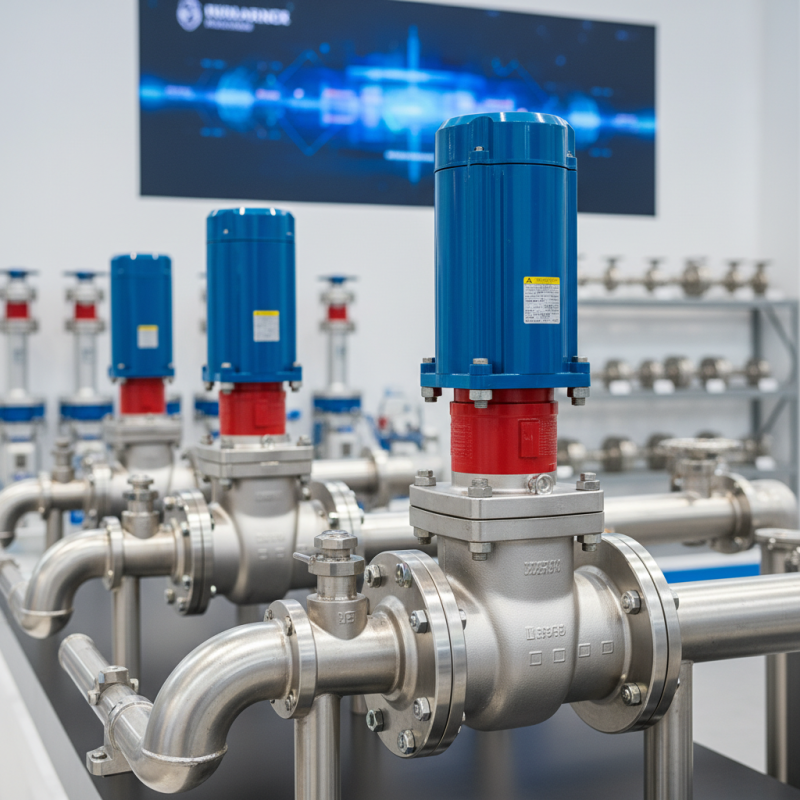
Understanding High Pressure Electric Ball Valves and Their Applications
High pressure electric ball valves are crucial in various industrial applications. They control the flow of fluids and gases in systems operating under significant pressure. These valves offer precise flow control, making them ideal for energy, water treatment, and chemical processes. Their reliability can enhance system efficiency and safety, ensuring smooth operations.
However, selecting the right valve requires careful consideration. Importers should assess the materials used in valve construction. Corrosion resistance is vital, especially in harsh environments. Evaluating the actuator’s performance is also important. It needs to handle the pressure requirements of the specific applications. Understanding the valve’s pressure rating helps ensure it meets operational demands.
Choosing a high pressure electric ball valve is not a simple task. Importers may overlook factors like maintenance needs and installation challenges. It’s critical to gather technical specifications and consult with experts. Ensuring compatibility with existing systems can prevent costly errors. Be wary of potential pitfalls in sourcing and application. This diligence is key to making informed decisions.
Key Specifications to Consider When Purchasing Electric Ball Valves
When considering the purchase of high-pressure electric ball valves, importers must focus on crucial specifications to ensure optimal performance. Key factors include valve size, material, pressure rating, and temperature range. According to a recent market analysis, the global electric ball valve market is projected to reach USD 3.5 billion by 2025, driven by increasing investments in infrastructure and industrial automation.
Material choice is vital. Common options include stainless steel and plastic. Each material offers different advantages. For example, stainless steel provides durability in harsh environments. However, plastic can be suitable for corrosive applications. The pressure rating is another key factor. Electric ball valves must withstand the specific pressure levels of your operations. It’s not uncommon for valves to fail if they aren’t rated correctly.
Tip: Always review product specifications carefully. Look for international standards compliance.
Temperature range is equally important. Electric ball valves handle various temperatures. Knowing the medium's temperature helps match the right valve. Data shows that improper temperature ratings can lead to significant maintenance costs.
Tip: Consider lifecycle costs beyond the initial purchase. A higher quality valve may save money long-term.
In conclusion, understanding these specifications and investing in quality will enhance your operations. The right electric ball valve can significantly impact efficiency and reliability in numerous applications.
Evaluating Quality Standards and Certifications for Reliability
When purchasing high-pressure electric ball valves, understanding quality standards and certifications is crucial. Reliable certifications, such as ISO 9001 and ASME standards, help ensure the valve's design, manufacturing, and performance meet industry requirements. According to a 2022 report from the International Society for Automation, over 70% of buyers prioritize such certifications when selecting suppliers.
Another important factor is the valve's material specifications. The materials need to withstand high pressures and temperatures. For instance, valves made from stainless steel or forged alloys are often preferred. An engineering review noted that over 60% of valve failures are due to material degradation. Buyers must verify the materials used meet appropriate international standards, like ASTM or ANSI.
Buyers should also consider the testing and inspection processes during manufacturing. Certifications from independent testing agencies provide additional assurance of reliability. A recent industry survey indicated that 55% of companies face challenges ensuring consistent quality in their supply chain. This highlights the importance of sourcing from manufacturers with robust quality control systems. Efficient supply chains can mitigate risks, but they should be continuously assessed to maintain standards.
Comparing Suppliers: Factors to Assess for Global Importers
When importing high-pressure electric ball valves, evaluating suppliers is crucial for ensuring quality and reliability. One of the main factors to assess is the supplier's experience in the industry. A supplier with years of expertise often indicates a better understanding of product demands and market trends. Look for case studies or testimonials that demonstrate their success with past clients.
Quality assurance processes are vital. Evaluate how suppliers maintain their standards. Do they have certifications? What testing procedures do they use? Detailed quality reports can show their dedication to reliability. Suppliers should also provide information on their manufacturing capabilities. It's essential to see if they can meet your demands consistently.
Here are a few tips:
Ensure clear communication with potential suppliers. Ask questions and request detailed product specifications. Don't hesitate to reach out for samples before committing. Lastly, consider their response time to inquiries. Quick replies can indicate a supplier's commitment to customer satisfaction. These details matter significantly when making a final decision.
High Pressure Electric Ball Valve Supplier Comparison
Cost Considerations: Pricing, Shipping, and Import Duties
When considering high pressure electric ball valves for import, cost is a crucial factor. Pricing can vary significantly. Factors such as materials, technology, and the range of pressure ratings all contribute. It helps to compare multiple suppliers before making a decision. A thorough analysis may reveal some hidden costs that you did not initially consider.
Shipping can add another layer of complexity. It's important to evaluate shipping methods and timelines. Air freight is faster but often more expensive than sea freight. Additionally, ensure you factor in insurance for high-value items. Delays during shipping can lead to unexpected expenses.
Import duties add another financial consideration for global buyers. Each country has its regulations. Be aware that these duties can significantly increase your total costs. Researching the import regulations beforehand can help avoid unexpected surprises. Understanding these financial aspects will prepare you for a smoother purchasing process.
High Pressure Electric Ball Valve Buying Tips for Global Importers
| Consideration | Details |
| Pricing | Electric ball valve prices can range from $50 to $300 depending on size, materials, and features. |
| Shipping | Shipping costs may vary based on location, weight, and carrier. Average shipping cost can be about 10-15% of the total order value. |
| Import Duties | Duties can range from 2% to 20% based on the destination country's tariff policies. |
| Lead Time | Typical lead time for manufacturing and delivery is 4-8 weeks, depending on factory capacity. |
| Quality Assurance | Ensure manufacturers provide certification (ISO, CE) and adhere to quality standards to avoid issues. |
| After-Sales Support | Check for warranty options and availability of technical support after purchase. |