How to Harness Assembly for Effective Production Management?
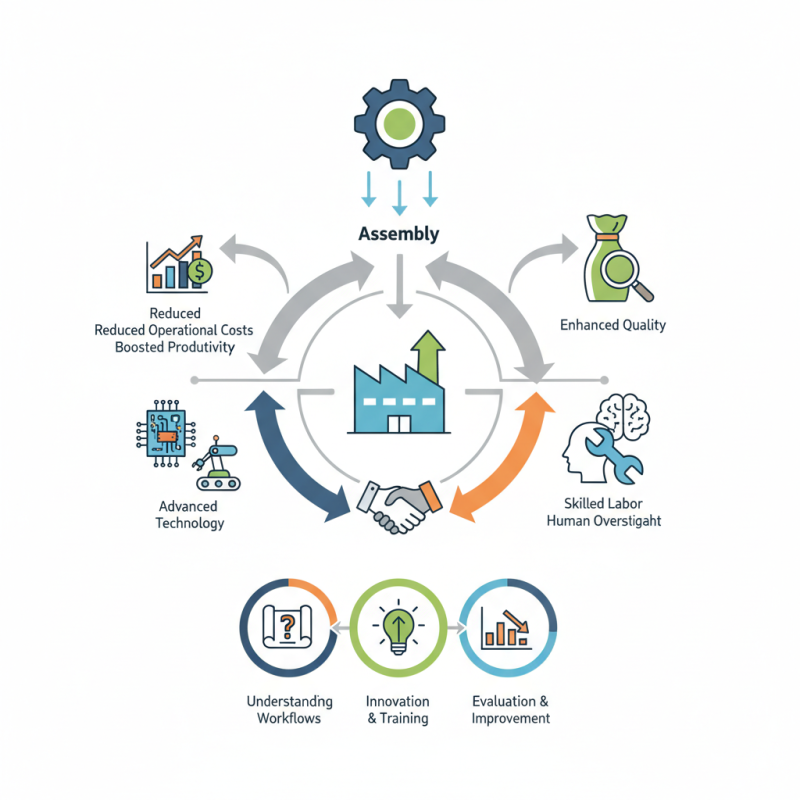
In today’s fast-paced manufacturing landscape, the ability to effectively harness assembly is crucial for optimizing production management. According to recent industry reports, companies that adopt efficient assembly techniques can reduce operational costs by up to 30%. This shift not only boosts productivity but also enhances the overall quality of the final product. Expert in assembly strategies, Dr. Mark Thompson, emphasizes, "To harness assembly effectively, firms must integrate advanced technology and skilled labor seamlessly."
Challenges remain in adopting these methods. Many businesses struggle to balance automation with human oversight. It’s critical to remember that while machinery can improve speed, human intuition often addresses complex problems better. Thus, deploying assembly techniques requires thoughtful integration. The journey to harness assembly begins with understanding both the capabilities and limitations of existing workflows.
As the industry evolves, complacency can hinder progress. Companies must continually evaluate their assembly processes and invest in employee training. Rigorous assessments of these systems can reveal overlooked inefficiencies. Embracing a culture of innovation while learning from missteps will ultimately lead to more effective production management and sustainable growth.
Understanding Assembly Operations in Production Management
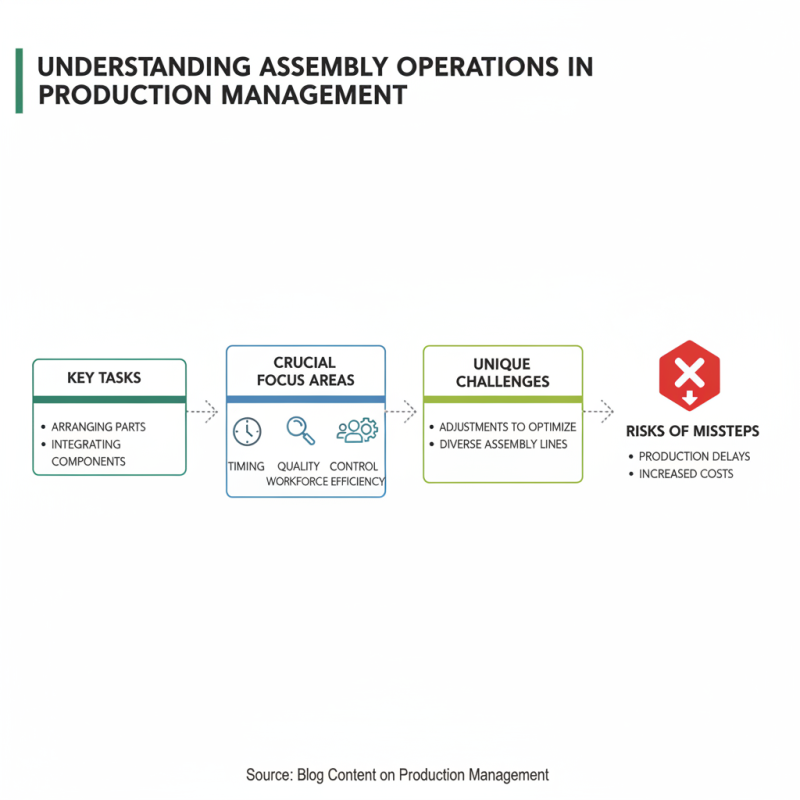
In the realm of production management, understanding assembly operations is crucial. Assembly involves various tasks, including arranging parts and integrating them into a finished product. It requires a keen focus on timing, quality control, and workforce efficiency. Each assembly line presents unique challenges, demanding constant adjustments to optimize workflow. Missteps can lead to delays and increased costs.
Effective assembly operations prioritize communication among team members. Clear instructions and collaborative problem-solving are vital. Workers must be trained to adapt quickly to unexpected issues. Tools and technology should be evaluated for their effectiveness in speeding up processes. However, reliance on automation can lead to oversight. Balancing human intervention with machine efficiency often requires ongoing assessment.
Monitoring performance through data analytics can provide valuable insights. It allows managers to identify bottlenecks and improve operational stability. Yet, data alone is not enough. Feedback from assembly line workers can highlight areas needing improvement. Creating a culture of continuous learning fosters innovation. Assembly operations can be refined further through trial and error, emphasizing the importance of adaptability in production management.
Key Metrics for Measuring Assembly Efficiency and Output
Measuring assembly efficiency is crucial for optimizing production management. Key metrics can provide insight and direction.
Cycle time is one of these metrics. It measures how long it takes to complete one assembly process.
A shorter cycle time generally indicates greater efficiency. However, teams must ensure quality isn’t sacrificed for speed.
Another important metric is first-pass yield. This measures the percentage of products that pass inspection on the first attempt.
High first-pass yields suggest a streamlined process. If yields are low, it may indicate a need for better training or process adjustments.
Tracking this metric allows teams to pinpoint problem areas.
Efficiency metrics should be reviewed regularly. Continuous monitoring helps identify trends and inefficiencies.
Teams need to be open to feedback. This could lead to unexpected insights. It’s essential to balance efficiency with quality.
Constant improvement is a journey, not a destination. Reflecting on outcomes can foster growth in assembly processes.
Strategies to Optimize Workflows in Assembly Lines
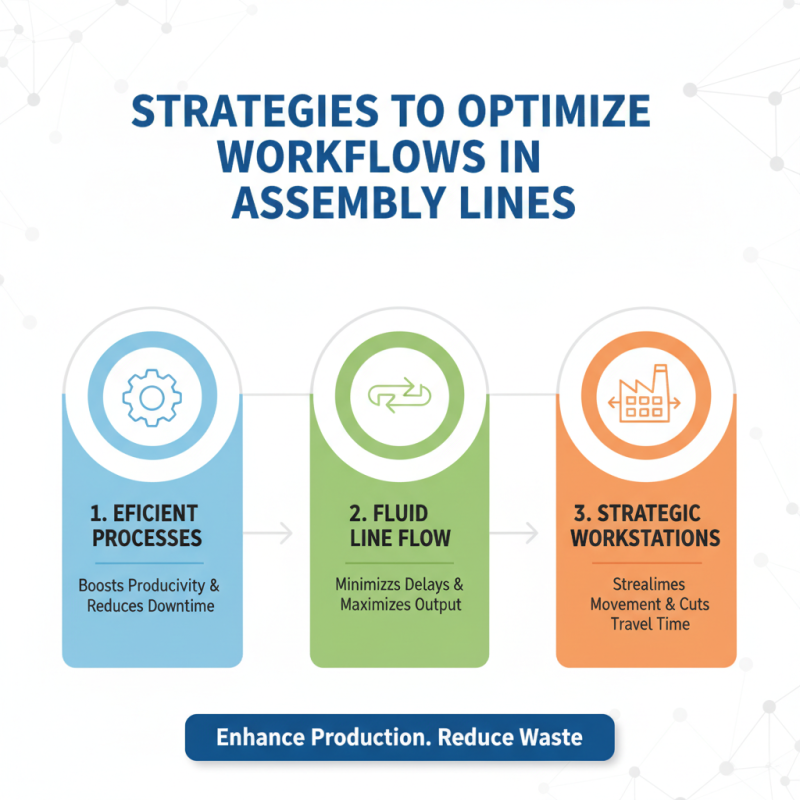
In modern production environments, optimizing workflows in assembly lines is crucial. Efficient processes can enhance productivity and reduce downtime. Creating a fluid flow in the assembly line minimizes delays and maximizes output. Each workstation should be strategically positioned to streamline movement. This setup reduces the time workers spend traveling between tasks.
Tips: Invest in ergonomic tools for operators. These can improve comfort and reduce fatigue. Regular breaks can enhance focus and productivity.
Another key strategy is to implement just-in-time inventory management. This approach ensures that materials arrive as needed, preventing excess stock and clutter. However, it requires precise coordination with suppliers. Any delay can halt production, requiring constant vigilance. Cross-training employees can also add flexibility to the workforce. If one worker is unavailable, others can step in without losing momentum.
Tips: Hold weekly meetings to address workflow issues. This encourages team involvement and problem-solving. Also, consider feedback from employees who work directly on the assembly line. Their insights can lead to meaningful improvements.
Integrating Technology for Enhanced Assembly Performance
Integrating technology into assembly processes can significantly enhance production performance. Automation tools are becoming common in many production lines. These tools can boost efficiency and reduce human error. However, their implementation requires careful planning and adjustments. The technology must align with existing workflows for optimal results.
Data collection plays a crucial role in this integration. Real-time monitoring tools can track assembly performance and identify bottlenecks. With this information, managers can make timely adjustments. Yet, reliance on technology can pose challenges. If systems fail, it can disrupt the entire production chain. Regular maintenance and updates are essential to mitigate these risks.
Training the workforce is another vital aspect. Employees need to understand new technologies. Their feedback can provide insights into practical applications and improvements. Involving them in the integration process fosters a sense of ownership. This collaborative approach can bridge the gap between technology and human skill. Nevertheless, it requires patience and time to see substantial results. As companies adopt new methods, ongoing evaluation is necessary to refine their approaches.
Case Studies: Successful Implementation of Assembly Methods in Industry
Effective production management often relies on the art of
assembly methods. Many industries have successfully implemented these methods to enhance efficiency and quality. For example, the automotive sector uses assembly lines to streamline vehicle production. By dividing tasks among workers, they reduce time and improve precision. In a case study, one manufacturer cut production time by 30% through synchronized assembly processes.
Tips: Focus on training workers. Ensure everyone understands their role in the assembly line. This clarity boosts both morale and productivity. Another key is to leverage technology. Automated tools can assist in repetitive tasks, allowing workers to focus on complex issues.
However, not every implementation goes smoothly. In one instance, a tech company faced delays due to poor communication between teams. This highlights the importance of regular check-ins and feedback loops to ensure a smooth operation. It's essential to reflect on what went wrong and learn from it. Adapting assembly methods requires ongoing adjustments and commitment from all involved.