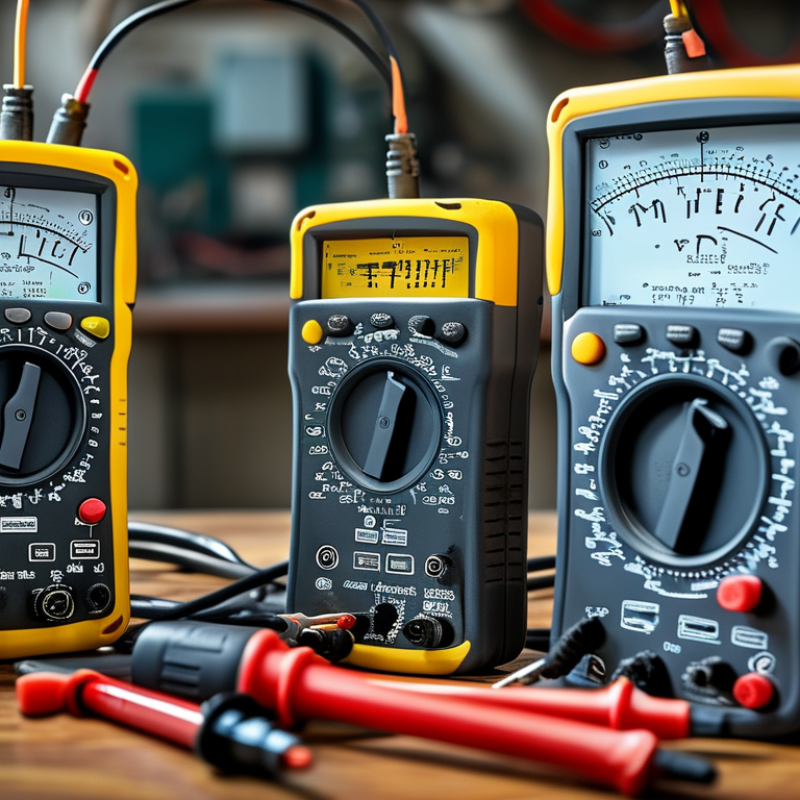
What is an Electrical Current Tester and How to Use It?
An Electrical Current Tester is an essential tool in modern electrical work. It serves to check the flow of electricity in circuits. Understanding how to use this device is crucial for safety and efficiency.
When working on electrical systems, a clear grasp of current readings helps avoid hazards. Many individuals underestimate the importance of this tester. Proper usage can prevent electrical shocks and equipment damage. Inexperienced users may struggle initially. However, learning the basics can lead to improvement.
This article will explore the features of an Electrical Current Tester and its application. We will discuss practical tips for effective usage. At the end, you should feel empowered to handle electrical tests confidently.
What Is an Electrical Current Tester?
An electrical current tester is a crucial tool for anyone working with electrical systems. It measures the flow of electric current in a circuit. This device is essential for troubleshooting electrical issues, ensuring safety, and maintaining effective electrical systems. According to industry reports, electrical testers can increase efficiency in diagnostics by up to 30%. Professionals often recommend using these testers to verify that circuits are de-energized before performing maintenance.
Using an electrical current tester is straightforward. One must connect the tester's leads to the appropriate points in the circuit. The device then displays the current, allowing users to assess the circuit's status. Many testers also come with features that indicate if a circuit is live, which is vital for safety. Research shows that about 40% of electrical accidents occur due to improper testing of live circuits. Thus, using a tester correctly is not just recommended; it's a safety necessity.
Despite their reliability, users often overlook proper calibration. Regular calibration is essential for accurate readings. Failure to calibrate can lead to false results, potentially causing costly mistakes. A recent survey revealed that 15% of professionals encounter issues attributed to uncalibrated devices. Ensuring that your tester is properly maintained can prevent this.
Electrical Current Tester Usage Overview
This bar chart illustrates the various ranges of electrical current measured by an electrical current tester. The x-axis represents the current ranges in amperes (A) while the y-axis shows the measured values. Understanding these values is essential for safely using electrical current testers in various applications.
Types of Electrical Current Testers
Electrical current testers play a crucial role in ensuring safety and functionality in various electrical systems. Different types of electrical current testers cater to specific needs. Common types include multimeters, clamp meters, and continuity testers.
Multimeters are versatile and can measure voltage, current, and resistance. They are essential for diagnosing electrical faults. A clamp meter, on the other hand, provides a quick way to measure current through a conductor without direct contact. This feature is especially useful in live circuits. Continuity testers are simpler devices, indicating whether current flows through a circuit. Each tester has a unique function, making it vital to choose the right one for your task.
Tips: Always check the tester's battery and settings before use. This helps prevent inaccurate readings. Ensure you understand the tester's limits, particularly for high voltage. When working in potentially hazardous areas, consider wearing insulated gloves for added protection. Taking these precautions will enhance your work safety and effectiveness.
What is an Electrical Current Tester and How to Use It? - Types of Electrical Current Testers
| Type of Tester | Description | Usage |
| Multimeter | A versatile tool that measures voltage, current, and resistance. | Use to diagnose electrical problems in circuits by measuring various parameters. |
| Clamp Meter | Measures current without having to disconnect the circuit. | Clamp around a wire to measure the AC or DC current flowing through it. |
| Ammeter | Specifically designed to measure electrical current. | Connect in series with the circuit to measure how much current is flowing. |
| Voltage Tester | Checks the presence of voltage in a circuit. | Touch the tester's probe to the circuit; a light or beep indicates voltage. |
How to Choose the Right Electrical Current Tester
Choosing the right electrical current tester can seem overwhelming. Many options are available, each designed for different uses and precision levels. Consider your specific needs first. Determine if you will primarily test household circuits or industrial systems. This decision will guide you toward the appropriate features.
Next, examine the specifications. Look for testers with a wide range of measurements. A reliable tester should be able to handle AC and DC currents. However, some users may prioritize portability over extensive measurement ranges. In such cases, a compact device might suffice, even if it lacks some advanced functions.
Safety is paramount. Check for built-in safety features like overload protection. Testers should comply with relevant safety standards to avoid hazards during use. Reviews and expert recommendations can also provide insights. However, not all users report their experiences objectively. Trust but verify—ensure that the information aligns with your actual testing needs.
Step-by-Step Guide to Using an Electrical Current Tester
Using an electrical current tester is essential for safely diagnosing electrical issues. Here’s a step-by-step guide on how to effectively use one. Begin by ensuring that the tester is working properly. Test it on a known live circuit to confirm it’s functioning. Always wear insulated gloves and safety glasses to protect yourself from electric shock.
Next, identify the circuit or outlet you want to test. Insert the probes of the tester into the outlet’s slots. Observe the reading on the tester. A digital tester will provide precise voltage levels, while an analog one will show you a needle reading. According to the National Electrical Code (NEC), maintaining a safe voltage range is crucial. If levels are outside the acceptable range, further investigation is needed.
Tips: Always follow the user manual that comes with your tester. Calibration checks can ensure accuracy. If uncertain about a reading, consult a professional electrician. Remember that improperly using these testers can lead to misdiagnosis or overlooked dangers. Always prioritize safety, and if results seem off, reevaluate your procedure.
Safety Precautions When Using Electrical Current Testers
When using an electrical current tester, safety must always come first. Ensure you wear appropriate personal protective equipment (PPE) like rubber gloves and safety glasses. These items help protect from unexpected shocks or splashes of electrical materials. Remember, electricity can be unpredictable. Even a small mistake can lead to severe injuries.
Before starting, inspect the tester for any visible damage. A cracked casing or frayed wires can compromise safety. Connect the tester to a known circuit and check its functionality. If it does not respond, do not use it. Always work with one hand when measuring live circuits. This reduces the risk of a current passing through your body to the ground.
Always keep your workspace dry. Wet surfaces can significantly increase the risk of electric shock. If possible, use insulated tools and ensure that you are standing on a dry surface like rubber mats. Never assume an electrical circuit is off; always test before touching. Safety is paramount, and even experienced technicians can overlook crucial steps. Being mindful of these precautions can prevent accidents.