7 Electric Heat Relay Buying Tips for Global Buyers
Buying an Electric Heat Relay for international equipment is not a simple catalog decision. A relay may look identical to another unit, yet its coil voltage, contact rating, switching life, and heat tolerance can differ sharply. In a control cabinet, those differences matter. A relay exposed to dust, vibration, or repeated thermal cycling may fail earlier than its datasheet suggests.
Electrical controls specialist Daniel Ortiz says, “The safest relay choice begins with the real load, not the label on the machine.” This practical view shapes the seven buying tips in this guide. Global buyers should examine the heating element’s resistive load, inrush current, control signal, mounting method, and expected switching frequency. They should also confirm applicable quality documentation, traceability, and regional conformity requirements before placing an order.
Small details become expensive later.
A reliable supplier should provide clear technical drawings, test records, sample approval, and consistent production information. Buyers also need to check whether the stated current applies to continuous operation, specific ambient temperatures, or a particular terminal arrangement. That part is sometimes overlooked. I would not treat a low price as proof of efficiency, either; it may reflect simpler materials, weaker testing, or limited support.
This introduction leads into seven practical Electric Heat Relay buying tips for global buyers. The recommendations focus on technical fit, supplier credibility, environmental performance, compliance, lifecycle value, and communication. No checklist removes every risk. However, a careful comparison can prevent a relay from becoming the smallest component behind the largest production problem.
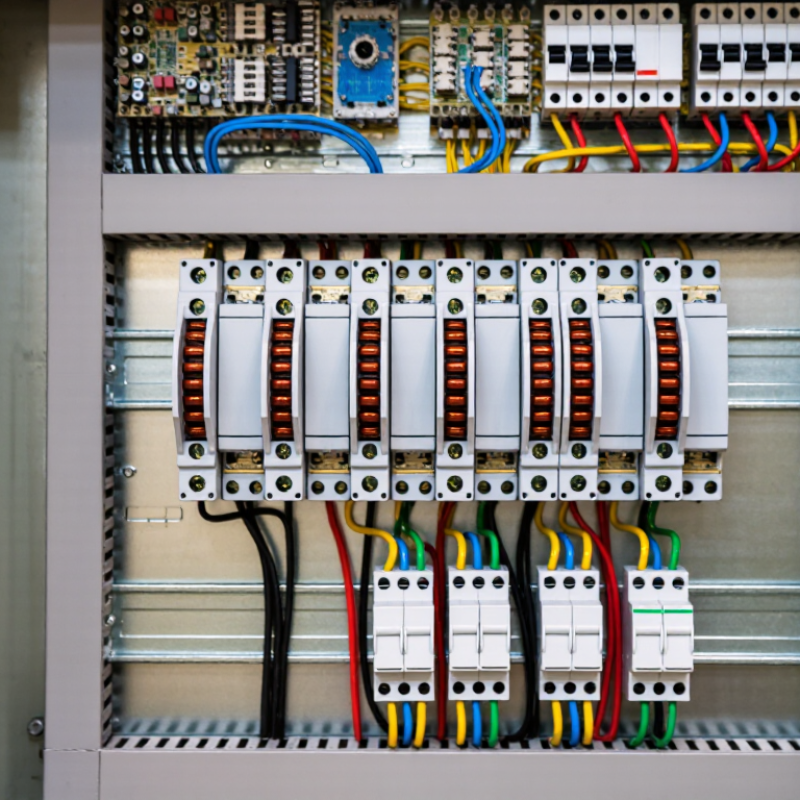
Define the Electric Heat Relay’s Role and Operating Requirements
Before buying an electric heat relay, define its exact role in the heating circuit. It may switch a resistive heater, control a contactor, or protect a staged heating zone. Each duty changes the required contact rating, switching method, and service life. The IEA’s Energy Efficiency 2023 report states that buildings consume about 30% of global final energy. Heating controls therefore affect both safety and operating cost.
Record the heater’s voltage, current, inrush behavior, duty cycle, and expected switching frequency. A 240-volt heater drawing 20 amperes needs more than a relay rated for 20 amperes under ideal conditions. Allowance matters. Check derating at high cabinet temperatures, especially near ovens, boilers, or poorly ventilated enclosures. Electromechanical relays provide visible isolation but may wear under frequent cycling. Solid-state relays switch quietly, yet they create heat and may fail short.
Use data from the installation, not only a catalog table. The U.S. Energy Information Administration reports that space heating represents roughly 43% of household energy use in many U.S. homes. That load can run for thousands of hours annually. Specify coil voltage, insulation, terminal protection, fault coordination, and compliance with applicable IEC or regional standards. I have seen selections fail because the control signal was correct, but the relay could not tolerate cabinet heat. The uncomfortable question is simple: was the relay chosen for the heater, or merely for its label?
Check Voltage, Current Capacity, and Load Compatibility
7 Electric Heat Relay Buying Tips for Global Buyers
Check Voltage, Current Capacity, and Load Compatibility
A relay can look suitable and still fail during the first heating cycle. Check the coil voltage carefully. A 24 V DC coil cannot replace a 24 V AC coil without verification. Measure the control voltage at the relay terminals, not only from the equipment label. Voltage drops in long wires can cause chatter, overheating, or missed switching.
Current capacity needs more than a single ampere number. Compare the relay rating with the heater’s continuous current and startup surge. Resistive heaters usually switch more easily than motors, transformers, or fans. However, heating elements can still create high inrush current when cold. Leave a practical safety margin, especially inside warm control cabinets. Do not treat the maximum rating as the normal working target.
Load compatibility matters just as much. Confirm whether the relay switches AC, DC, single-phase, or three-phase loads. Review the switching frequency and expected service life. In field inspections, loose terminals and undersized wires caused more trouble than the relay itself. I once accepted a relay based only on its current rating, then noticed its terminals were unsuitable for the cable size. That was avoidable.
Check the datasheet.
Consider ambient temperature, enclosure ventilation, and protection against electrical noise. A relay rated for laboratory conditions may perform differently near ovens or steam equipment. When specifications seem incomplete, pause and request test data. Guessing is cheaper only until the first failure.
Compare Relay Types, Materials, and Protection Features
7 Electric Heat Relay Buying Tips for Global Buyers
Selecting an electric heat relay requires more than checking voltage and current. Compare relay types against the heating load, switching frequency, and installation environment. Electromechanical relays suit simple on-off heating and provide visible contact separation. Solid-state relays switch quietly and handle frequent cycling, but they generate heat internally. Hybrid designs can balance low standby loss with rapid switching. In real installations, this difference affects cabinet temperature and service life.
Tip 1
Check contact or semiconductor materials carefully. Silver alloy contacts resist arcing during repeated switching. Copper terminals improve conductivity when properly tightened. Ceramic insulation tolerates higher temperatures, while flame-retardant thermoplastic keeps housings lighter.
Tip 2
Review protection features, not just ratings. Look for zero-cross switching, snubbers, short-circuit coordination, thermal shutdown, and clear creepage distances. IP protection may matter near washdown areas.
Tip 3
Confirm international documentation. Reliable suppliers should provide test reports, wiring diagrams, temperature derating curves, and material data.
A relay rated for 40 amps may not safely carry 40 amps inside a hot enclosure. I have seen buyers miss this detail. Heat accumulates faster than expected. Ambient temperature, mounting direction, cable size, and ventilation can change the result. Check compatibility with regional voltage systems and local electrical requirements. Do not assume identical ratings mean identical performance. A smaller relay can fit neatly, yet its terminals may loosen under thermal cycling. That detail deserves a second review.
Evaluate Safety Standards, Certifications, and Global Compliance
Safety claims for an electric heat relay should match the exact product configuration. Check the rated voltage, current, switching load, and operating temperature against your application. A relay tested at one voltage may not be suitable for another. Small details matter.
Review the certification mark and its supporting documentation, not just a logo on a listing. Confirm that the certificate covers the model number, insulation class, terminal design, and intended use. Ask for current test reports from a recognized laboratory, and check that report numbers can be verified. Standards and approval schemes differ by destination, so a certificate accepted in one market may not satisfy another market’s requirements. Local electrical codes and import rules still apply.
Inspect the housing and installation instructions, too. A relay mounted beside a heater may face heat, vibration, dust, or moisture. Verify the stated environmental limits and required clearances. For larger orders, request traceability records and written notice of any component or design changes. In practice, paperwork can be incomplete; that is a warning worth investigating, not a detail to wave away. Have a qualified electrical professional review suitability before installation.
7 Electric Heat Relay Buying Tips for Global Buyers
Evaluate safety standards, certifications, and global compliance before selecting a relay for electric heating equipment.
The chart shows common nominal single-phase AC supply voltages used in selected markets. Actual permissible voltage ranges, plug systems, and installation requirements vary by country, so verify the target market before choosing the relay coil voltage, insulation level, and switching ratings.
- Confirm the relay coil voltage and frequency for the destination market.
- Check contact ratings for the heater load, including AC resistance and inrush conditions.
- Request applicable test evidence based on IEC 61810-1 or the relevant national standard.
- Review insulation coordination, working voltage, and dielectric strength using IEC 60664-1 principles.
- Verify creepage, clearance, pollution degree, and overvoltage category for the installation environment.
- Match the product documentation to the destination market’s conformity and electrical safety requirements.
- Confirm material restrictions, technical traceability, production controls, and documentation updates where RoHS or REACH requirements apply.
Assess Supplier Reliability, Total Cost, and After-Sales Support
When buying an electric heat relay, check how consistently a supplier delivers—not just how polished its catalogue looks. Ask for recent production records, inspection criteria, and clear electrical ratings. Request a sample and compare its markings with the datasheet. Small mismatches matter. Confirm typical lead times, production capacity, and how the supplier handles delayed orders. A reliable contact should answer technical questions directly and provide updated documents without repeated reminders.
Compare total cost, not only the unit price. Include freight, packaging, import charges, testing, and the cost of keeping spare relays on hand. A low quotation can become expensive if delivery takes weeks or specifications need correction. Ask what the warranty covers, how claims are assessed, and whether replacement units are available. Response time matters when a production line is waiting. Get support terms in writing, including access to troubleshooting guidance and replacement parts. Then test the process with a practical question before placing a large order. Did the reply arrive quickly? Was it useful? I have seen buyers focus so closely on price that they overlook this simple check. It is not a perfect predictor, but it can expose gaps early.