How to Choose the Right Schwing Concrete Pump for Your Project?
Choosing the right Schwing concrete pump for your project can feel overwhelming. Various models and specifications exist. Each serves different needs and applications. Understanding what Schwing offers is crucial for success.
A proper assessment of your project requirements is necessary. Consider the type of concrete you need to pump and the volume. Are you pumping for a tall building or a small slab? You might think all pumps are similar, but they aren't. Each Schwing model has its strengths and weaknesses. It's vital to align those with your specific project demands.
Examining user reviews can help. Sometimes, a pump's performance in real-world conditions differs from its specs. Also, don’t overlook maintenance needs. A high-performance pump may require more attention. Reflect on your team's experience level. Choosing a Schwing pump should balance performance, maintenance, and usability. It’s not always straightforward. Take your time to research.
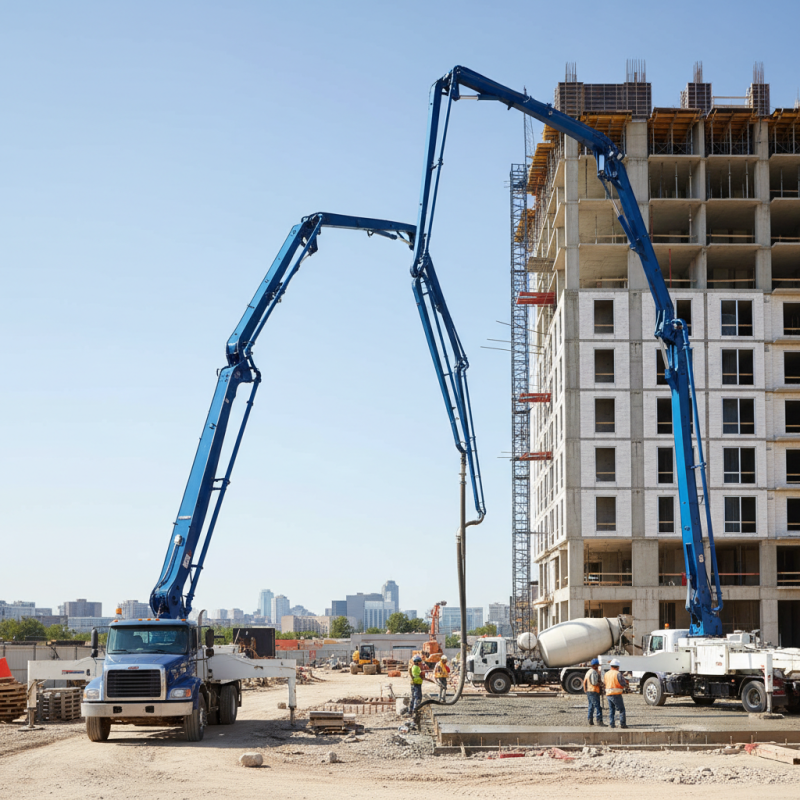
Factors to Consider When Selecting a Schwing Concrete Pump
When choosing a Schwing concrete pump, several factors matter. The project size is crucial. Large projects need pumps with higher capacities. For small jobs, a compact model may suffice. Assess your site's accessibility too. Some pumps fit narrow spaces better than others. Think about the type of concrete you plan to use. Different pumps handle various mixtures and consistencies.
Operator experience is another key factor. A skilled operator can maximize a pump’s efficiency. Consider maintenance as well. Some models demand more upkeep. Time spent on repairs can delay your project. Evaluate the terrain as well. Slopes and uneven ground affect pump performance. The wrong choice here can lead to inefficiencies.
Budget also plays a significant role. High-quality pumps come at a cost. Yet, investing in a reliable unit can save money long-term. Analyze rental vs. purchase options. Renting might be tempting, but it’s not always ideal. Reflect on your future needs, too. Choose wisely for potential upcoming projects. It all adds complexity.
How to Choose the Right Schwing Concrete Pump for Your Project? - Factors to Consider When Selecting a Schwing Concrete Pump
| Factor | Description | Recommended Pump Type |
| Project Size | Assess the scale of the project to determine the pump capacity required. | High-capacity pumps for large projects, smaller pumps for residential work. |
| Concrete Type | Different types of concrete (e.g., lightweight, heavy-duty) may require specific pumps. | Pumps with flexible configurations for varying concrete types. |
| Distance and Height | Consider how far and how high the concrete needs to be pumped. | Pumps with higher pressure ratings for long distances and heights. |
| Site Accessibility | Evaluate the accessibility of the job site to determine the size and type of pump. | Compact pumps for tight spaces, larger models for open sites. |
| Budget | Assess the budget available for equipment rental or purchase. | Consider both rental and purchase options according to financial limits. |
| Pump Features | Look for features such as remote control, automated settings, and safety measures. | Advanced models with modern features for efficiency and safety. |
Understanding the Different Types of Schwing Concrete Pumps Available
When selecting a Schwing concrete pump, understanding the different types available is crucial. Each type caters to specific project needs. For instance, truck-mounted pumps are versatile for urban projects. They maneuver easily in tight spaces. Trailer-mounted pumps offer portability for remote locations. These pumps can be towed to various job sites with minimal hassle.
Tips: Always assess your project requirements. Consider the size and complexity of your work area. The right pump can save time and cost.
Boom pumps are ideal for tall structures. They deliver concrete with precision. Stationary pumps are great for longer distances. They provide consistent flow and pressure. However, one must reflect on the nature of the job. Too powerful a pump might lead to excess pressure, risking damage to structures.
Tips: Check the pressure settings before use. Adjusting the flow can make a significant difference. Also, consider the pump's maintenance history. A well-maintained pump ensures smooth operations.
Evaluating Pump Performance: Flow Rate and Pressure Specifications
When selecting a concrete pump, flow rate and pressure specifications are critical. Flow rate determines how much concrete can be delivered within a certain time frame. For instance, pumps can range from 30 to over 100 cubic meters per hour. This variability can significantly impact project timelines. A pump with a high flow rate may seem efficient, but it can also lead to mix segregation if not properly managed.
Pressure specifications are equally important. Concrete pumps typically operate at pressures between 70 to 150 bar. Higher pressure allows for longer delivery distances. However, pushing concrete too hard can lead to blockages. Operators must balance between pressure and flow rate to ensure the concrete maintains its integrity during transit.
Tips: Always assess your project’s specific needs. Match the pump’s flow rate with the volume of concrete required. Ensure the selected pressure aligns with the pump's capabilities to avoid unexpected issues. Consider the type of concrete mix used, as some mixes are more challenging to pump than others. Continuous monitoring during operation can provide insights into performance, highlighting areas for improvement. These details matter. Make informed choices based on careful evaluation rather than assumptions.
Assessing Project Requirements: Volume, Distance, and Site Conditions
When selecting a concrete pump, project requirements are crucial. Factors like volume, distance, and site conditions impact your choice. For instance, a project needing to pump 100 cubic meters of concrete over a distance of 200 meters requires a different pump than one needing to cover only 30 meters. Many technical reports suggest assessing flow rates too. Ideally, you want at least a 20% allowance on expected volume to manage unforeseen challenges.
Distance plays a significant role. The concrete must maintain its quality throughout the pump's journey. High-rise buildings or urban sites often require pumps with longer reach. Pumps can lose pressure over longer distances, potentially leading to delays. Industry data indicates that approximately 30% of project delays stem from equipment not suited for site conditions.
Site conditions cannot be overlooked. Poor soil quality or tight spaces complicate logistics. Ground stability is paramount when maneuvering heavy pumps. If a site is uneven, it affects accessibility and safety. An internal survey by industry experts found that about 25% of users wish they had chosen different equipment after assessing their site conditions more closely. Understanding these elements before making a choice can save time and money.
Maintenance and Support Considerations for Your Concrete Pump Choice
Choosing the right concrete pump involves more than just initial selection. Maintenance and support play crucial roles in your decision. A reliable pump demands regular upkeep to function effectively. Think about accessibility to spare parts. Will you find them easily? This consideration can save you time and money.
Consider the service support available. A solid service team can guide you through maintenance and repairs. What if issues arise? Quick support can prevent project delays. Evaluate warranties too. Strong warranties reflect the manufacturer's confidence in their product. This can be an assurance when making your choice.
Reflect on your unique project needs. Different projects may have varying demands for support and maintenance. Some pumps may need more frequent maintenance than others. Assess your team's expertise as well. Skilled operators can enhance the longevity of your equipment. Don’t overlook these aspects; they can impact your project’s success.
Concrete Pump Selection Criteria
This chart represents the comparison of different concrete pump models based on key selection criteria such as pump capacity, maximum distance, weight, fuel efficiency, and maintenance frequency. Analyzing these factors can help you choose the right concrete pump for your project effectively.