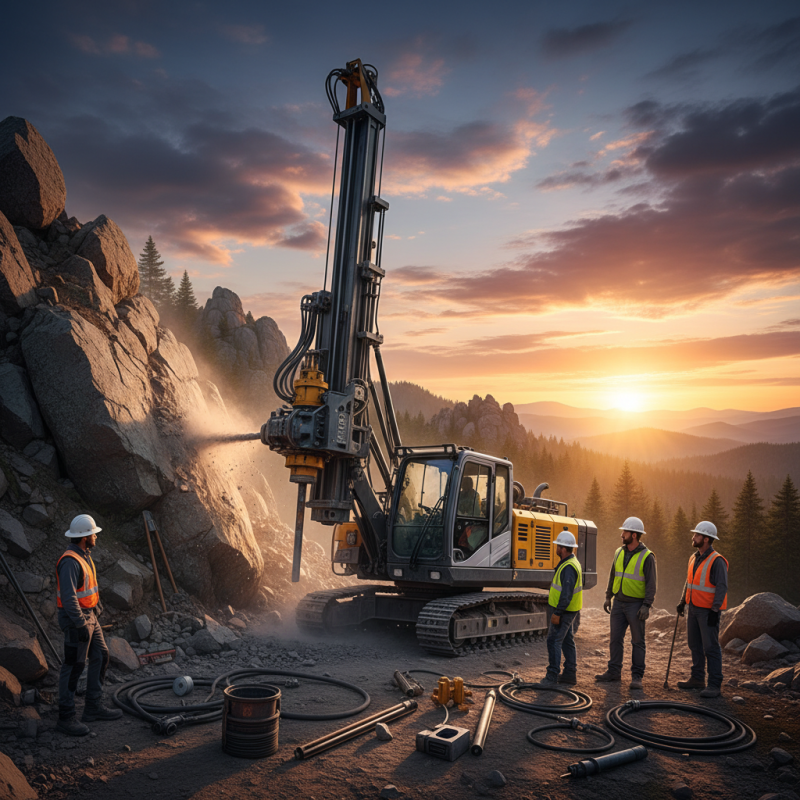
Why Choose the Right Rock Drilling Equipment for Your Projects?
Choosing the right Rock Drilling Equipment is crucial for successful project outcomes. Effective drilling can determine the efficiency and safety of operations. The right tools can enhance productivity and reduce downtime.
Rock drilling equipment varies greatly. Each type is designed for specific geological conditions. Selecting inappropriate tools can lead to inefficiencies. Sometimes, even small details matter. A mismatch could cause delays or increased costs. Reliability is essential when making these choices.
Experience in the field helps. Professionals understand which equipment can handle tough conditions. However, without careful evaluation, mistakes can occur. Investing in quality rock drilling equipment is not just about cost. It's about building a foundation for success. Understanding the unique demands of each project is vital.
Understanding the Importance of Choosing the Right Rock Drilling Equipment
Choosing the right rock drilling equipment is crucial for project success. Each project has unique requirements. The type of rock, depth, and desired outcome influence equipment selection. Equipment should match the project's scope and environment. A poor choice can lead to delays and increased costs.
Proper drilling tools enhance efficiency. They improve accuracy and reduce wear on machinery. In rugged and variable terrains, the right equipment can make a significant difference. For instance, using a drill meant for soft soil in hard rock can result in failures. On the other hand, overspecifying equipment can lead to unnecessary expenses.
Understanding equipment specifications is essential. Know the limits and capabilities of each tool. While some machines seem ideal, they may not perform well under specific conditions. Regular reviews of chosen equipment can offer insights. Reflecting on past performances can guide better future decisions. A thoughtful approach can lead to more successful outcomes in rock drilling projects.
Importance of Choosing the Right Rock Drilling Equipment
Key Factors to Consider When Selecting Rock Drilling Equipment
When selecting rock drilling equipment, several factors play a crucial role. The type of rock and its hardness is paramount. Understanding the geology of the area helps in choosing the right tools. For instance, softer rocks may require lighter rigs, while harder formations necessitate heavy-duty equipment.
Tip: Always consult geological surveys. They provide vital information on rock types. This can save time and resources.
Another important consideration is the drilling depth and diameter. Different projects demand varying depths. Ensure the equipment can meet the project's specific requirements. A mismatch can lead to inefficiencies and potential damage.
Tip: Create a checklist of project requirements. This should include depth, diameter, and rock type. It's a simple yet effective way to avoid oversights.
Finally, pay attention to maintenance and support. Reliable equipment is only as good as its upkeep. Regular checks and availability of parts are essential for sustained operations. Investing in robust maintenance plans can prevent costly downtimes. Consider potential failures and plan accordingly.
Comparative Analysis of Different Types of Rock Drilling Tools
When selecting rock drilling tools, it is crucial to understand their differences. Various types serve unique purposes. For instance, rotary drills are suitable for hard rock, while percussion drills excel in softer formations. Research by the International Society for Rock Mechanics indicates that choosing the right tool can increase efficiency by up to 30%.
The material and design of drilling equipment impact performance significantly. Diamond core bits offer exceptional durability, but they can be more expensive. In contrast, tungsten carbide bits may be cost-effective yet may wear out faster. An analysis by the Mining Equipment Association revealed that using sub-optimal tools could increase operational costs by 25%.
Understanding the specifications is vital. Unlike a one-size-fits-all approach, each project demands particular tools. Ground conditions and project scale dictate the appropriate equipment. It is often worth reassessing current tooling, as innovation in drilling technology can substantially affect outcomes. Choosing the wrong tool can lead to delays and inflated budgets, appealing to the need for careful evaluation.
Why Choose the Right Rock Drilling Equipment for Your Projects? - Comparative Analysis of Different Types of Rock Drilling Tools
| Tool Type | Drilling Method | Optimal Use Cases | Bit Types | Operational Depth (ft) | Cost Range ($) |
| Rotary Drills | Rotary | Large-scale infrastructure projects | Tricone, PDC | 500-2000 | 5000 - 20000 |
| Percussion Drills | Percussive | Urban drilling, blasting | Hammer bits, Chisels | 300-1200 | 3000 - 15000 |
| Diamond Drills | Core Drilling | Geological exploration | Diamond core bits | 1000-3000 | 8000 - 30000 |
| Auger Drills | Auger | Soil sampling, shallow drilling | Auger bits | 50-300 | 1000 - 5000 |
How Equipment Quality Impacts Project Efficiency and Cost
Choosing the right rock drilling equipment is crucial for maximizing efficiency. Quality impacts not just the speed of operation, but also the overall cost. According to a report from the International Society for Rock Mechanics, equipment that is well-maintained can reduce downtime by up to 25%. When machinery malfunctions, it leads to delays and increased expenses. This emphasizes the need for reliability in equipment selection.
A study by the Mining Industry Association noted that poor-quality drilling tools can inflate costs by 30% due to frequent replacements and repairs. When faced with tight project timelines, this becomes even more significant. Using high-quality drills not only ensures longer service life but also enhances performance. A significant problem arises when companies underestimate the cost of investing in superior tools. This oversight can lead to subpar outcomes and project overruns.
Considering these factors, a focus on quality can drive both efficiency and financial savings. Skilled operators, teamed with reliable equipment, create a synergy that can elevate project outcomes. Yet, many firms still grapple with equipment choices, displaying a tendency to prioritize upfront costs. This invites reflection on long-term project sustainability versus immediate budget constraints. A critical assessment of equipment selection is necessary for future success.
Maintenance and Support: Ensuring Longevity of Drilling Equipment
When it comes to rock drilling, maintenance is key to ensuring equipment longevity. Regular checks can identify wear and tear before they escalate. Inspect hoses and fittings for leaks, as neglecting these can lead to costly repairs. Routine lubrication is important; it keeps the machinery running smoothly and prevents overheating.
Tips for you: Schedule periodic maintenance. Create a checklist for inspections. This makes it easier to track what needs attention.
Operator training plays a vital role, too. Skilled operators can spot early signs of equipment fatigue. They should be knowledgeable about the equipment’s specifications. This avoids misuse that can sicken the machinery. Regular training sessions ensure everyone is updated on best practices.
Another vital aspect is proper storage. Keep equipment in a dry, sheltered area. This helps protect it from the elements. Dust and moisture can cause significant damage over time. Ensure tools are cleaned before storage to prevent rust and corrosion.
These simple steps may seem small but can make a big difference in the lifespan of your drilling equipment. Ignoring maintenance can lead to unexpected downtime and expenses. It’s about being proactive, not reactive.