How to Choose the Best Safety Padlock for Your Needs?
Choosing the right Safety Padlock is crucial for ensuring security in various environments. John Smith, a safety equipment expert, emphasizes, "A proper padlock can make a significant difference in your safety plans." With so many options available, selecting the best Safety Padlock can be overwhelming. The right choice protects assets and enhances peace of mind.
Consider the environment where the Safety Padlock will be used. Different settings have unique needs. For instance, outdoor locks need weather resistance. Indoor locks may prioritize convenience. Evaluating these factors is essential but often overlooked. Many focus solely on price, forgetting the critical role of durability.
Furthermore, it’s vital to understand keying options. Keyed, combination, or smart locks all serve distinct purposes. Each option carries its pros and cons. A common mistake is assuming one type fits all situations. Taking time to reflect on specific needs can yield better decisions. Ultimately, a well-chosen Safety Padlock enhances security and reduces risks.
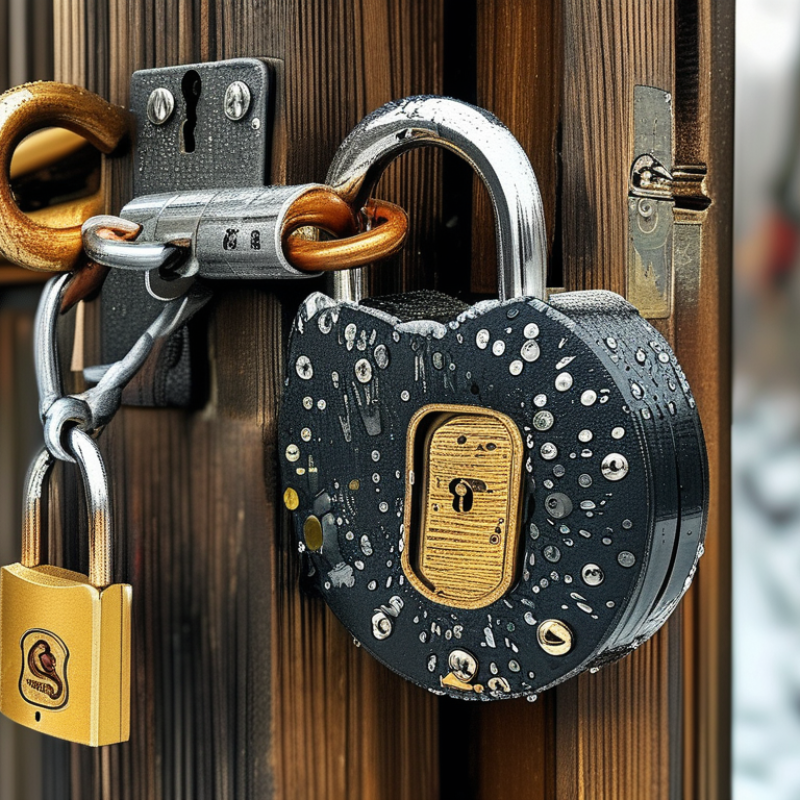
Understanding the Importance of Safety Padlocks in Securing Areas
Safety padlocks play a crucial role in securing areas from unauthorized access. A recent industry report indicated that 40% of workplace incidents could be prevented with proper lockout/tagout procedures. These incidents often lead to injuries, legal issues, and financial losses. Selecting the right padlock is not just about security; it's about safeguarding individuals and assets.
When choosing a safety padlock, consider the environment and usage frequency. For outdoor settings, durable materials like stainless steel resist corrosion. In high-traffic areas, a keyless option can improve efficiency. Ensure the padlock meets industry safety standards, which provide guidelines for strength and reliability.
Tips: Always conduct a risk assessment before selecting a lock. Understand specific vulnerabilities to ensure maximum protection. Involve employees in discussions about safety tools. Their input can lead to better choices. Review your padlock choices annually. As needs change, so must your safety equipment. Regular updates can enhance overall security.
Types of Safety Padlocks and Their Key Features to Consider
When choosing the best safety padlock, understanding the various types is crucial. Safety padlocks come in different forms, each designed for specific needs. For instance, heavy-duty padlocks are ideal for outdoor use, resistant to weather elements. According to industry reports, approximately 40% of theft attempts involve inadequate security measures. Hence, selecting a robust padlock can significantly decrease these risks.
Another important type is the keyed-alike padlock, allowing multiple locks to be operated by a single key. This system simplifies access while maintaining security. However, it’s vital to ensure that credentials are managed properly. Reports indicate that poor key management leads to increased vulnerability in workplace safety. An accessible lock is a double-edged sword; it eases access for authorized personnel, yet may contribute to unintentional breaches.
Consider the materials used in manufacturing. Steel construction tends to offer better durability compared to plastic varieties. Notably, padlocks with a hardened steel shank can withstand cutting and sawing attempts. Studies show that secure materials enhance padlock integrity. However, users need to regularly assess their padlocks for wear and tear. Regular inspection enhances reliability, reminding users that even the most secure options require diligence.
Factors to Evaluate When Selecting a Safety Padlock
Choosing a safety padlock requires careful consideration of several factors. The material of the padlock is crucial. Look for sturdy materials like steel or high-grade plastic. These materials offer better resistance to cutting and corrosion. A durable casing can protect against environmental wear and tear, especially in outdoor settings.
Lock size is another important factor. A heavy-duty padlock may be necessary for securing high-value items. Conversely, a smaller padlock may suffice for lighter needs. Locking mechanism types also differ. Some feature a standard key, while others have combinations. Choose what feels easiest and safest for your daily use.
Think about the environment where you’ll use the padlock. Is it prone to moisture or dirt? A weatherproof padlock is beneficial in such cases. Ergonomics matter too—ensure the lock is easy to handle and operate. Sometimes a padlock may seem perfect but fails in real-world tests. Reflect on your needs and surroundings before making a final decision.
Factors to Evaluate When Selecting a Safety Padlock
Material and Durability: Choosing the Right Construct for Your Needs
When choosing a safety padlock, material and durability play critical roles. Steel padlocks are known for their strength. According to the National Locking Systems Association, steel padlocks perform better in harsh environments compared to alloy materials. They resist corrosion and wear, making them suitable for outdoor use. This durability reduces the need for frequent replacements.
On the other hand, the construction of the padlock also matters. For instance, laminated padlocks offer enhanced security. They consist of multiple layers of steel, which makes them harder to cut. Reports indicate that laminated locks have a higher resistance to brute force attacks. However, they may still be vulnerable to skilled locksmiths. It’s essential to balance security features with your specific needs.
Lastly, not all padlocks are designed for every situation. A wrong choice can lead to compromised security. As noted by industry experts, 30% of padlock failures are due to improper material choices. This highlights the importance of assessing your environment and usage patterns. Be mindful of the specific threats your padlock may face, and choose accordingly.
How to Properly Maintain and Utilize Your Safety Padlock
Maintaining and utilizing your safety padlock is crucial for effective security. Regular checks should be part of your schedule. Inspect your padlock for rust or damage. A well-kept padlock enhances its lifespan and reliability. Don’t let neglect put your security at risk.
When utilizing a padlock, ensure proper placement. Lock it on a sturdy surface. Avoid using it on weak materials. This increases the risk of theft. Always store your padlock in a dry environment. Moisture can cause corrosion over time. Use a silicone-based lubricant to keep the internal mechanism functioning smoothly.
Tips: Clean your padlock regularly with a soft cloth. This prevents dirt buildup. Remember to check the key regularly for wear. Replace it if it becomes hard to turn. A carefully maintained padlock is your best protection.