How to Choose the Best Fiber Marking Machine for Your Needs?
Choosing the right Fiber Marking Machine is crucial for businesses focused on precision marking and engraving. According to a recent industry report, the global fiber laser marking machine market is expected to grow at a CAGR of 10.5% from 2022 to 2027. This growth highlights the demand for advanced marking technology in various industries.
Investing in a Fiber Marking Machine can significantly enhance productivity and product quality. These machines offer high precision, versatility, and low operating costs. However, the variety of options can overwhelm buyers. Understanding specific business needs is essential to make an informed choice.
Many companies overlook crucial factors when selecting a machine. For example, the materials to be marked can vary widely. Some machines excel with metals, while others are better suited for plastics. Buyers must reflect on their unique requirements to avoid costly mistakes. A well-chosen Fiber Marking Machine can lead to increased efficiency and better end products.
Understanding Fiber Marking Technology and Its Applications
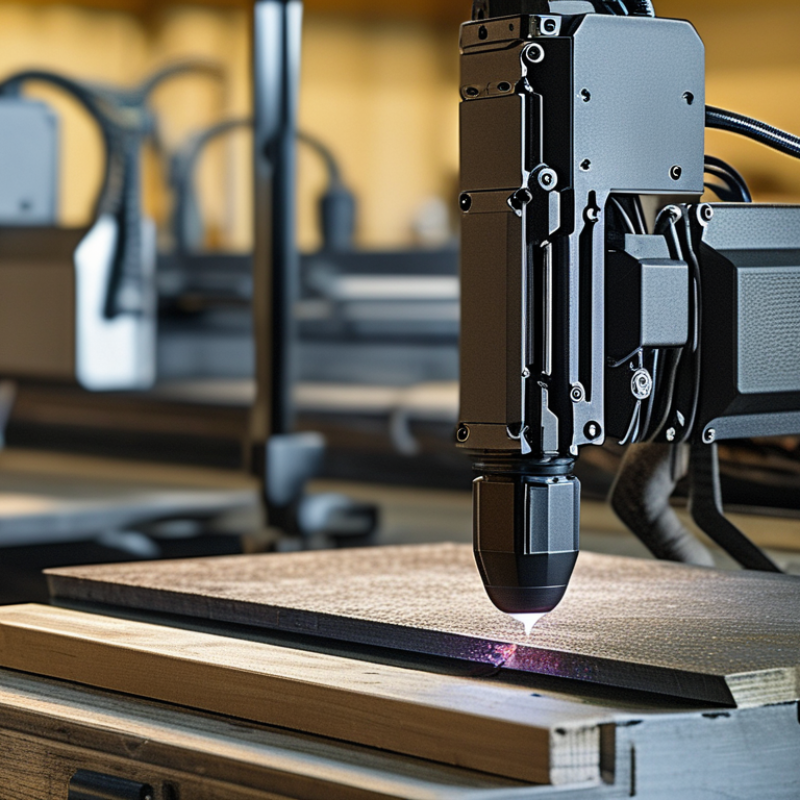
Fiber marking technology has become a cornerstone in various industries due to its precision and versatility. Unlike traditional marking methods, fiber lasers offer high definition and clarity on various materials. This technology works by focusing laser light onto the surface, creating a permanent marking. Common applications include industrial parts, tools, and even intricate designs on jewelry. The versatility of fiber marking extends across metals, plastics, and ceramics.
By understanding fiber marking applications, businesses can make informed decisions. Different materials react uniquely to laser marking. For instance, metals exhibit excellent absorption, resulting in sharp markings. Conversely, plastics may require specific settings to avoid melting. Failing to acknowledge these differences could lead to operational inefficiencies. It's crucial to take time and assess how fiber marking fits particular projects or products. Each application may present unique challenges. Approaching these with an open mind allows for better outcomes.
Key Factors to Consider When Selecting a Fiber Marking Machine
When selecting a fiber marking machine, several key factors must be considered. One of the most critical aspects is the machine's power and speed. The wattage of the laser affects engraving quality and materials compatibility. For industrial use, higher wattage may be necessary, while lower power can suffice for lighter applications.
Another important factor is the type of materials you will mark. Different machines are suited for various substrates like metals, plastics, and ceramics. Understanding your primary materials helps in making the right choice. It is also smart to evaluate the machine's software compatibility and ease of operation. A user-friendly interface can significantly reduce training time.
Consider the long-term support and reliability of the machine. A reputable vendor should offer comprehensive customer service and training resources. This ensures that any issues can be quickly addressed. Longevity and maintenance requirements will also impact overall costs. A more reliable machine may have a higher upfront cost but can save money on repairs over time.
Assess your specific needs in terms of portability and size. A compact machine may be suitable for small workshops, while a larger setup could be necessary for high-volume production. Think carefully about space and ergonomics in relation to your workflow. Each detail can enhance efficiency in the long run.
How to Choose the Best Fiber Marking Machine for Your Needs? - Key Factors to Consider When Selecting a Fiber Marking Machine
| Factor | Description | Importance Rating (1-5) |
| Laser Power | Determines the depth and speed of marking. | 5 |
| Marking Speed | Speed at which the machine can mark the material. | 4 |
| Material Compatibility | Types of materials that can be marked. | 5 |
| Cooling System | System to prevent overheating during operation. | 3 |
| Software Compatibility | Ease of use and integration with existing systems. | 4 |
| Warranty and Support | Availability of service and maintenance support. | 4 |
| Portability | Ease of moving the machine as needed. | 3 |
Comparing Different Types of Fiber Marking Machines
When considering fiber marking machines, understanding the types available is crucial. These machines vary in technology and features. The most common types include fiber laser engravers, which use a high-intensity beam for engraving materials like metal and plastic. Another type is the fiber laser marker, designed for faster marking on larger surfaces. This can be ideal for high-volume production environments.
Some machines excel in portability, making them suitable for job sites. Mobile units may sacrifice some speed, yet they offer flexibility. When choosing a machine, consider the specific materials you will work with. Metalworking requires a different approach than engraving on wood. Additionally, the resolution and depth of mark can vary significantly between models.
Not all machines are perfect for every application. Some may struggle with intricate designs, while others may not handle large batches efficiently. Testing different models before making a decision is often beneficial. Your unique needs dictate the best fit.
Assessing Features and Specifications for Optimal Performance
When selecting a fiber marking machine, it's essential to focus on the features that best meet your specific needs. Always consider the type of materials you will be marking. Different machines perform variably on metals, plastics, or wood. An ideal machine should provide precision and an adjustable power output to accommodate various textures. Look for options that offer high-speed engraving, which can significantly boost your productivity.
Another critical factor is the ease of use. A user-friendly interface can save time in the long run. Some machines have software that simplifies design creation or importation. However, not all machines are equally intuitive. Test the software; frustrating experiences can detract from efficiency. Evaluate the support and documentation provided. If troubleshooting resources are lacking, it may complicate operations.
Investigating the durability of the machine is crucial too. Some components may wear out faster than others. Read reviews from reliable sources to gauge performance over time. Consider operating costs, such as maintenance and replacement parts, that might add up unexpectedly. In this way, you can avoid making a choice that feels right initially but proves costly later.
Budgeting and Cost-Effectiveness in Choosing a Fiber Marking Solution
When selecting a fiber marking machine, budgeting is often a critical factor. Assess your project needs against your budget constraints. Determine how often you will use the machine and what materials you will mark. A machine might seem affordable upfront, but ongoing costs can add up. Consider the cost of maintenance and potential repairs.
Investing in quality is important. A low-cost option might save money initially, but it may lack durability. This could lead to higher long-term costs. Look for machines with a good warranty and reliable customer support. Gathering reviews from other users can provide insights into the machine’s reliability over time.
Don’t overlook the total cost of ownership. This includes energy consumption, operational efficiency, and the overall productivity of the machine. Reflect on whether the machine will meet your future needs as your business grows. Sometimes, spending a little more can lead to significant savings in the long run. Prioritize your requirements carefully, and don't rush your decision.