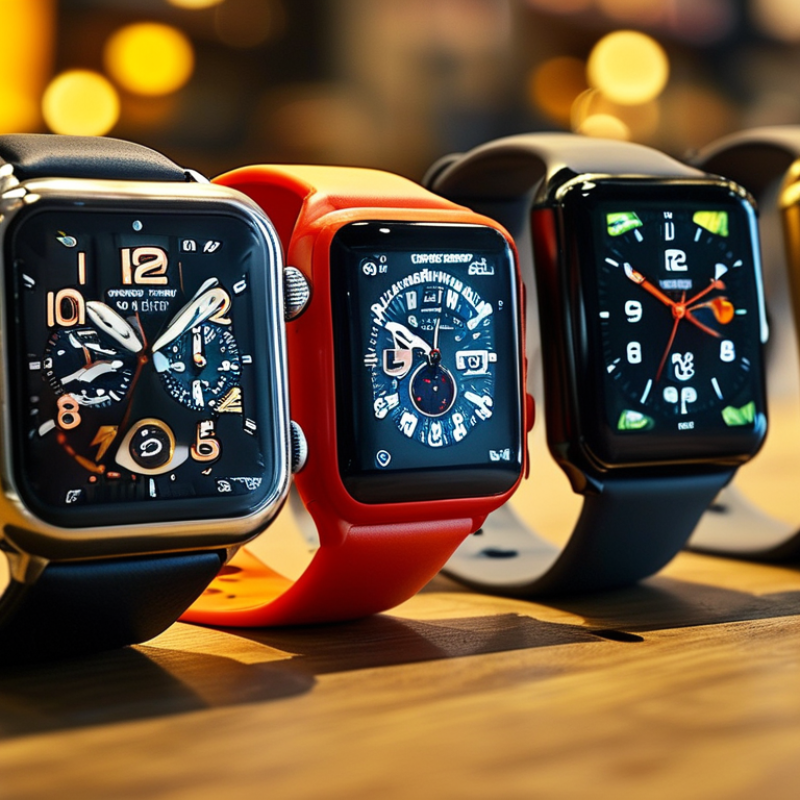
How to Choose the Best Digital Watch for Your Needs?
In today’s fast-paced world, selecting the right Digital Watch can be a challenge. According to John Smith, a renowned expert in the digital watch industry, “Choosing a digital watch means understanding your unique needs.” This statement highlights the importance of personal preference when navigating through various options.
Digital watches offer numerous features, from fitness tracking to smartphone connectivity. The wide range can be overwhelming. Many buyers struggle with what suits them best. Some may prioritize sleek design, while others focus on advanced functionality.
Reflecting on your lifestyle is key. A busy professional may need a watch with reminders and alerts. On the other hand, an athlete might look for durability and fitness features. Each digital watch serves a purpose, but not all will meet your specific demands. Understanding this can lead to a more satisfying purchase.
Understanding Your Lifestyle and Watch Requirements
Choosing the right digital watch begins with understanding your lifestyle. If you lead an active life, you might want features like GPS tracking and heart rate monitoring. These functions can significantly enhance your workouts and daily activities. A lightweight design is also crucial for comfort during physical activities.
For those who work in professional settings, a watch with smart notifications could be beneficial. Receiving alerts discreetly can help maintain focus during meetings. Look for models with customizable displays to suit your workplace style. However, consider whether the technology will truly improve your productivity, or if it might create unnecessary distractions.
Consider your daily routine. Do you travel often? A watch with a world clock or multi-time zone features might suit you. If you use your watch primarily for casual purposes, a simpler model could suffice. Ultimately, weighing practicality against desire is essential. Reflecting on what you genuinely need can lead to a more fulfilling choice.
How to Choose the Best Digital Watch for Your Needs?
This chart illustrates the importance of different features when selecting a digital watch based on lifestyle needs. Battery life and fitness tracking are prioritized, highlighting their relevance to active and health-conscious users.
Exploring Different Types of Digital Watches Available
Digital watches come in various types, catering to different preferences and needs. Some focus on functionality, while others lean towards style. Fitness trackers, for instance, are designed for active individuals. They track steps, monitor heart rate, and sync with mobile apps. These watches often include GPS and reminders to stay active.
For those drawn to aesthetics, smartwatch options shine. They offer customizable watch faces and apps. Some models provide notifications for calls and messages directly on the wrist. However, users might find battery life a concern, as frequent use of smart features can drain power quickly.
When selecting a digital watch, consider your lifestyle. Assess which features matter most. If you’re into sports, look for durability and water resistance. Evaluate comfort, especially if you wear it all day. Ultimately, the best digital watch should align with your daily activities and personal style.
Key Features to Consider in a Digital Watch
When selecting a digital watch, focusing on key features is essential. The display type is crucial; many users prefer a crisp, high-resolution LCD for clarity. Reports suggest that nearly 40% of consumers prioritize readability, especially in low-light conditions. A backlight feature is invaluable for nighttime visibility, making it a necessary component for many users.
Battery life is another vital consideration. A short lifespan can be a dealbreaker. Industry insights show that the average digital watch battery lasts about 2-5 years, but some models extend beyond that. Users should weigh their tolerance for battery replacements against their lifestyle. Moreover, features like water resistance are important for active individuals. Up to 60% of users engage in sports regularly, where a splash-proof design could be pivotal.
Finally, advanced features like fitness tracking and smartphone synchronization might appeal to tech-savvy buyers. However, these functionalities can complicate usage. Over 30% of digital watch users report feeling overwhelmed by extra features. It's important to reflect on whether these additions genuinely enhance your daily life or complicate it. Balancing practicality with functionality will lead to a more satisfying purchase.
Evaluating Brand Reputation and Customer Reviews
When choosing a digital watch, evaluating brand reputation is essential. Look for established brands with a long history in the watch industry. These brands often have proven their reliability over time. Reputation matters. A well-regarded brand typically signals quality and durability. Take time to research their market presence and customer feedback. A brand's longevity can indicate trustworthiness.
Customer reviews play a crucial role in decision-making. Dive into online reviews to gauge user experiences. Pay attention to both positive and negative comments. Some users may highlight features you hadn’t considered. Others might point out flaws that could sway your choice. Be cautious of overly positive reviews—they may be biased. Transparency is key when assessing feedback.
It’s important to note that personal preferences vary widely. What works for one person may not suit another. Some may prioritize style over functionality. Others may seek extensive features like fitness tracking. Understand your own needs. Reflect on what genuinely matters in a watch for you. Balancing brand image with real user experiences will guide you toward making an informed choice.
Setting a Budget for Your Ideal Digital Watch
Setting a budget for your ideal digital watch is crucial to meet your needs. Recent reports indicate that nearly 40% of consumers struggle to determine how much to spend on a watch. It’s essential to consider features that matter most. For instance, a basic digital watch may cost around $30, while those with advanced functions like GPS or heart rate monitors can exceed $200.
One common mistake is overlooking additional costs. While the initial price may seem reasonable, consider potential expenses like replacement batteries or straps. Research indicates that 25% of consumers do not factor in these ongoing costs when budgeting. A comprehensive understanding of what you truly need could save you money in the long run.
When evaluating your budget, it is useful to assess your usage. Casual users may not require high-end features, while fitness enthusiasts might prioritize advanced capabilities. The average consumer spends approximately $100, but budgeting can vary widely. Taking time to reflect on your lifestyle and preferences is vital. Aim to find a balance between cost and functionality that aligns with your daily activities.
How to Choose the Best Digital Watch for Your Needs? - Setting a Budget for Your Ideal Digital Watch
| Feature | Budget Range | Description |
| Basic Features | Under $50 | Includes time display, basic alarms, and a stopwatch. |
| Fitness Tracking | $50 - $150 | Heart rate monitoring, step tracking, and calorie count. |
| Smart Features | $150 - $300 | Notifications, GPS, and music control. |
| Luxury/High-End | $300+ | Premium materials, advanced features, and exclusive designs. |