How to Choose the Best Calf Feeder for Your Farm?
Choosing the right Calf Feeder for your farm is crucial. The quality of this equipment can significantly influence the calf's growth and health. A recent report by the National Dairy Farm Institute highlights that proper feeding can increase calf weight gain by 25% in the first few months. This is critical for dairy farms striving for productivity.
According to Dr. John Smith, an expert in animal nutrition, "The right Calf Feeder can produce healthier calves, leading to better milk production later." Selecting an appropriate feeder involves considering multiple factors. These factors include feeder capacity, design, and ease of cleaning. Farmers need to reflect on their herd size and specific needs before making a decision.
While it may be tempting to choose based solely on cost, this approach could lead to future regrets. Investing in a high-quality Calf Feeder ensures that the calves receive adequate nutrition during their formative days. An optimal feeding strategy establishes a foundation for your entire farming operation.
Understanding the Nutritional Needs of Calves for Optimal Growth
Calves require a balanced diet for optimal growth. They need specific nutrients to develop muscle and bones. Essential components include proteins, vitamins, and minerals. Proteins support tissue development, while vitamins enhance immune function. Calcium and phosphorus are vital for strong bones. Understanding these needs is crucial for farmer success.
Feeding practices should be tailored to the age of the calves. Younger calves have different requirements than older ones. Transitioning from milk to solid feed is delicate. Farmers may struggle with this shift. Monitoring weight gain and overall health can provide insight. Are the calves growing as expected? Adjustments may be necessary.
Choosing the right calf feeder also plays a role. Automatic feeders offer convenience but may lack personal touch. Hand-feeding allows for closer observation. Each method has pros and cons. Calves respond differently, so farmers need to be flexible. Regular evaluations of feeding strategies can lead to better outcomes. What works for one herd may not work for another. Experimentation is key.
Types of Calf Feeders Available and Their Specific Uses
When selecting a calf feeder, understanding the different types available is crucial. Bucket feeders are commonly used. They allow for easy access to milk and can accommodate individual calves. These feeders can be moved to different locations for convenience. However, they require regular cleaning to maintain hygiene. A dirty feeder can lead to health issues for the calves.
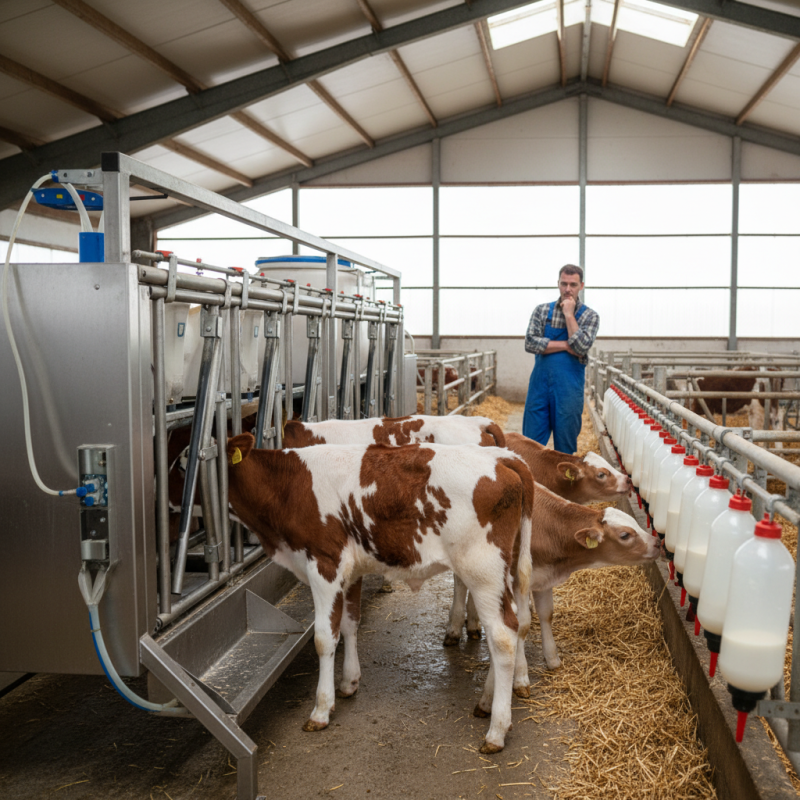
Another type is the automatic calf feeder. This system is ideal for larger farms. It offers precise milk portions, which can help in achieving optimal growth rates. These feeders can be programmed to meet individual needs. While they save time, their complexity may require training for proper use. Farmers need to assess if they have the technical ability to operate such systems effectively.
Additionally, milk bar feeders are popular for group feeding. They are designed to simulate natural nursing. Calves tend to thrive when they drink at their own pace. However, monitoring is essential to ensure that all calves are getting enough milk. With different options available, farmers must consider their specific needs to make the best choice.
Calf Feeder Types and Their Usage on Farms
Key Features to Consider When Selecting a Calf Feeder
Selecting the right calf feeder is crucial for any farm. One of the key features to consider is its capacity. A feeder should accommodate the expected number of calves. Research shows that feeders with larger capacities can support up to 10 calves at a time, enhancing efficiency. This is particularly important in larger herds.
Durability is another essential factor. Calf feeders must withstand harsh weather and daily use. Materials like high-density polyethylene are known for their resilience. They can endure extreme temperatures and resist scratches. Regular maintenance is still necessary, as wear and tear can affect longevity. A flawed feeder can lead to costly downtimes and nutrient loss.
Ease of cleaning plays a significant role in calf health. Feeders that can be disassembled quickly simplify the cleaning process. Studies indicate that adequate sanitation reduces disease prevalence in calves by 30%. This highlights the importance of finding feeders that are not only functional but also easy to maintain. Think about how you can optimize your farm processes while choosing the right tools.
Evaluating the Durability and Maintenance of Calf Feeders
When selecting a calf feeder, durability and maintenance are critical factors to consider. Feeders experience daily wear and tear. It’s essential to choose materials that withstand harsh farm environments. Stainless steel or heavy-duty plastic often proves more resilient than weaker materials. Observe how these materials react to exposure. Scratches can harbor bacteria, leading to health issues in calves.
Maintenance plays a vital role in the lifespan of calf feeders. Regular cleaning is necessary to prevent contamination. A good feeder should be easy to disassemble for thorough cleaning. Look for designs that minimize crevices where feed or waste can accumulate. These areas can become breeding grounds for pests and diseases.
Tips for Choosing a Durable Feeder:
- Look for reliable warranties.
- Observe peers’ experiences and feedback.
- Check for replaceable parts.
Investing in the right feeder benefits your herd’s health and growth. Frequent checks on the conditions and integrity of the feeder can save costs in the long run. Consider these factors carefully before making a decision.
Assessing Cost-Effectiveness and Budgeting for Calf Feeders
When selecting a calf feeder, budgeting plays a crucial role. Begin by assessing the various types available. Consider automatic feeders, which often streamline the process. These can save labor but may have higher upfront costs. Traditional bucket feeders are less expensive but can require more manual effort.
Evaluate your farm's size and calf-rearing goals. Calculate the costs for both initial purchase and long-term maintenance. Next, think about feed efficiency. A high-quality feeder can reduce waste, potentially lowering your long-term feed expenses. However, not every high-priced unit guarantees better results.
Reflect on the potential trade-offs. Investing heavily in technology might stretch your budget too thin. In contrast, a simpler feeder may require frequent replacements. Determining a balance between quality and cost-effectiveness is essential. Sometimes, a more economical choice can yield comparable results if managed properly.