How to Choose the Best Battery Connector for Your Needs?
Choosing the right Battery Connector is more crucial than one might think. According to industry expert John Smith, "A reliable Battery Connector can significantly impact the performance of your device." With various options available, making an informed choice involves understanding your specific needs and the characteristics of each type.
When assessing Battery Connectors, consider factors like voltage ratings, connection types, and environmental conditions. Each application may demand unique specifications. For instance, a connector used in electric vehicles requires durability and resistance to harsh environments. Meanwhile, connectors for smaller electronic devices may prioritize compact size and lightweight design.
Errors in choosing the right Battery Connector can lead to performance issues. It's essential to reflect on the long-term implications of your selection. In this rapidly evolving market, staying informed is key. Knowledge allows users to choose connectors that align with both current needs and potential future demands.
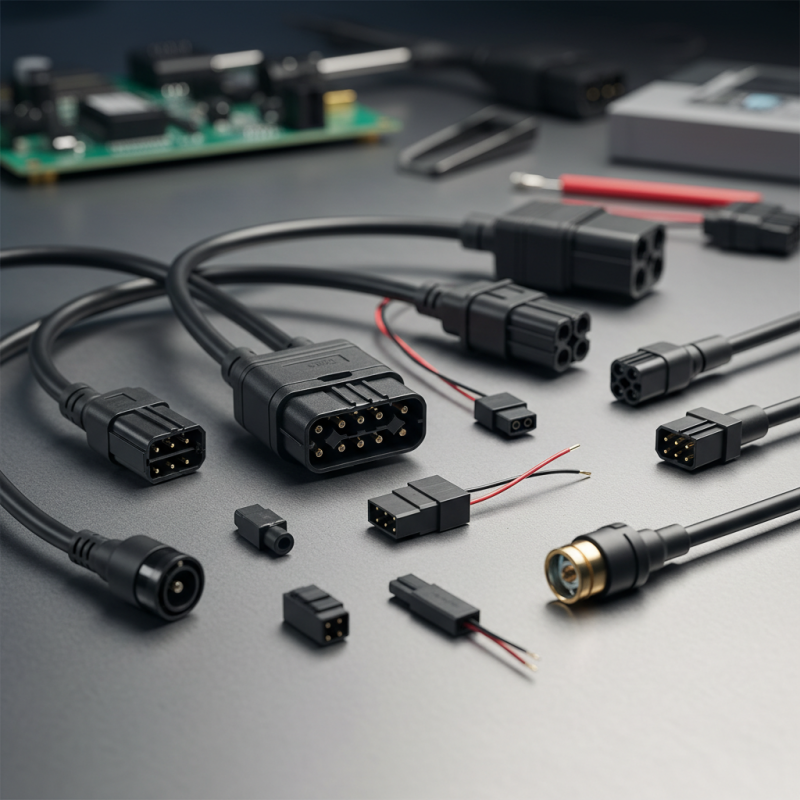
Understanding Different Types of Battery Connectors Available in the Market
When choosing a battery connector, it's important to understand the various types available. There are many options, each designed for specific purposes. For example, spade connectors are simple and easy to use. They work well for basic connections and are often found in household applications.
In contrast, terminal block connectors offer flexibility. They allow multiple connections in one unit. This is useful in projects requiring various wires. Another option is the XT60 connector, known for its high current capacity. Many electric vehicles use these connectors for reliability.
Not all connectors are suitable for every application. Factors like voltage, current, and environment matter. For high-drain devices, a sturdy connector is essential. Inadequate connectors can lead to overheating or failure. Be mindful of the specific needs when selecting a connector. This ensures a safer and more effective connection in your project.
Evaluating the Electrical Specifications for Battery Connectors
When evaluating battery connectors, electrical specifications play a crucial role. Voltage rating is one important factor to consider. It defines the maximum voltage the connector can safely handle. If your application requires a higher voltage, selecting the right connector becomes critical. Failure to match the voltage rating can lead to overheating and potential hazards.
Current capacity is another key specification. It refers to the maximum current the connector can carry without failing. A connector with inadequate current capacity will heat up quickly. This can cause damage to both the connector and the connected components. Paying attention to wire gauge is essential here. Using the correct gauge ensures that the current flows efficiently.
Connector size and configuration matter too. Different applications may require various sizes and types. A mismatch could complicate installation or create a weak connection. Always consider the environmental factors, like humidity and temperature, affecting the connector's performance. Understanding these parameters can help refine your choices. Reliable connectors enhance durability and function, making your investment worthwhile.
Assessing Physical Size and Compatibility with Your Battery System
When choosing a battery connector, physical size and compatibility are crucial. The connector must fit both your battery and the device it powers. Measure the dimensions of your battery terminals carefully. Ensure the connector can handle your system's voltage and current requirements. Mismatched sizes lead to poor connections and potential hazards.
Tips: Always check the specifications before purchasing. A snug fit prevents energy loss and overheating. If possible, consult with experts or experienced users. Their insights can guide you in selecting the right connector for your project.
Don't overlook materials used in connectors. Different materials provide varying levels of conductivity and durability. A connector made of low-quality materials may fail prematurely. This could create safety risks or require frequent replacements. Take the time to research and identify suitable options that match your needs.
Considering Environmental Factors Impacting Battery Connector Performance
When selecting a battery connector, environmental factors are crucial to ensure reliability and performance. Temperature fluctuations can severely impact connector efficiency. According to a study by the International Electrotechnical Commission, connectors can degrade by 50% when exposed to extreme temperatures. This highlights the need for materials that can withstand diverse climatic conditions.
Moisture and humidity levels also play significant roles. Connectors need to resist corrosion, particularly in environments subject to high humidity. A report from the American Society of Testing and Materials indicates that connectors with proper sealing can last two to three times longer in humid conditions compared to non-sealed counterparts. This information emphasizes the importance of choosing connectors equipped with insulation and protective coatings.
Drafting your specifications should consider these environmental elements carefully. Testing connectors in controlled conditions is essential but often overlooked. Many users assume all connectors perform equally. Neglecting specific requirements can result in failures and increased costs. Make informed decisions based on environmental compatibility to ensure long-term functionality of battery connectors.
Choosing Between Fixed and Detachable Battery Connector Options
When choosing between fixed and detachable battery connectors, consider your specific requirements. Fixed connectors typically offer a more compact design. They minimize the risk of accidental disconnections. According to industry reports, fixed connectors can provide enhanced signal integrity and robustness, suitable for applications with limited space. However, they can complicate maintenance or replacement.
Detachable connectors, on the other hand, offer flexibility and ease of use. They allow for quick disconnects, making battery changes efficient. Data from industry analysis suggests that these connectors are often preferred in consumer electronics. They cater to users who require frequent access to battery systems. Choosing this option may also involve additional costs over time for replacement connectors.
Tips: Always assess your usage frequency before deciding. If you seldom change batteries, a fixed connector may suffice. However, for devices with high turnover rates, a detachable option can save time. Considering your long-term needs is vital. Look into connectors that meet the latest safety standards for reliable performance.