How to Choose the Best Steel Line Post Stud for Your Project?
When selecting the right steel line post stud for your construction or fencing project, careful consideration is crucial. A report by the American Iron and Steel Institute indicates that proper material choices can enhance structural integrity by up to 30%. The market is bustling with various steel line post studs, each with specific characteristics and applications. Notably, industry expert John Smith emphasizes, "Choosing the right steel line post stud can define the success of your project."
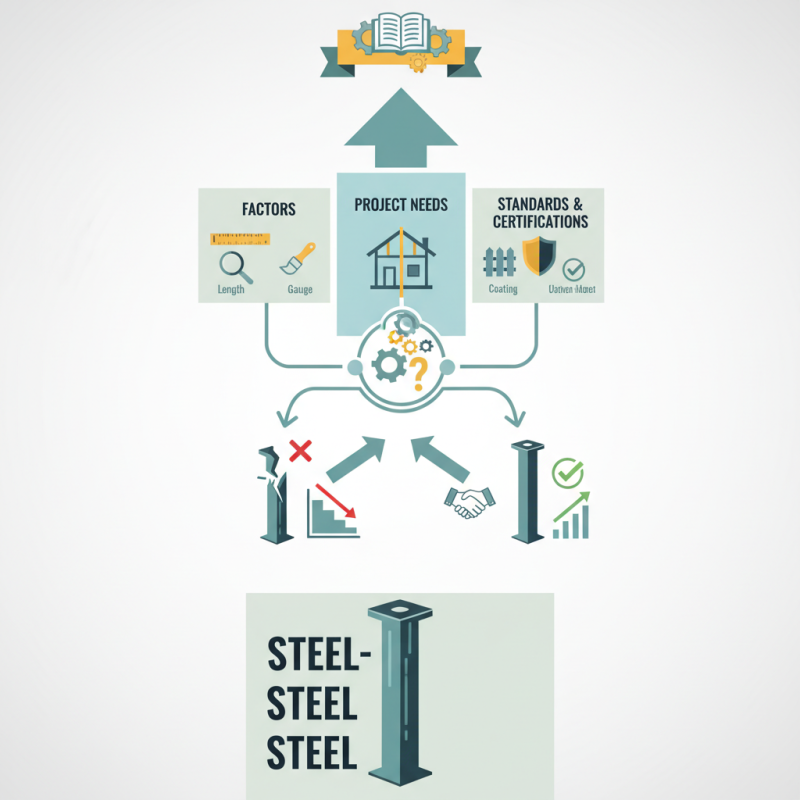
Many factors influence your decision. For instance, gauge, coating, and length will affect durability and performance. Identifying the project’s specific needs is essential to avoid potential failures. A mismatch can result in increased costs and delays. These insights might seem simple, yet they hold significant implications.
Furthermore, understanding industry standards and certifications can guide your selection process. It’s important to scrutinize these elements carefully. Selecting a steel line post stud without thorough evaluation may lead to unanticipated challenges. Investing time in research will pay off, ensuring durability and reliability in your project.
Understanding the Basics of Steel Line Post Studs and Their Uses
Steel line post studs are crucial in various construction and fencing projects. They provide essential support and stability for structures. Understanding their basic functions can help in selecting the right type for your needs. These studs are typically made from high-grade steel, ensuring durability and resistance to the elements. When properly installed, they can withstand significant weight and pressure.
The uses of steel line post studs are versatile. They are commonly found in agricultural fencing, security barriers, and even in some residential properties. Some might overlook the importance of proper measurements. Choosing the wrong size can lead to inadequate support and even structural failure. Take time to assess your project requirements and soil conditions.
Not all steel line post studs are created equal. Variations in thickness and coating can impact their performance. It’s essential to consider environmental factors as well. For example, coastal areas may require more corrosion-resistant options. Always seek professional guidance if uncertainties arise. Making informed choices will enhance the longevity and safety of your projects.
Key Factors to Consider When Selecting Steel Line Post Studs
Choosing the right steel line post studs is crucial to every project. Consider the following key factors to make an informed choice. First, assess the load capacity required for your application. A 2023 report from the Steel Institute highlights that selecting a stud with insufficient load capacity can lead to structural failures. Ensure the stud meets or exceeds your project’s specifications.
Material quality is another essential consideration. Look for studs made from high-strength steel, as they provide better durability and corrosion resistance. Studies indicate that low-quality materials can increase maintenance costs by up to 30% over time. This factor alone underscores the importance of investing in reliable materials.
Tips: Always verify certifications and compliance with industry standards. Consult with an expert if you're uncertain about specifications. Perform a site assessment to identify environmental factors that may affect your choice of studs.
Lastly, consider installation ease. Some studs are easier to work with than others. Complicated installation can lead to errors, costing both time and money. It’s okay to reflect on past projects. Identify what worked and what didn’t. Adapting your approach is vital.
Comparison of Steel Line Post Studs by Key Strength Characteristics
This chart illustrates the tensile strength of various steel line post studs. When selecting a steel line post stud for your project, consider the tensile strength, as it is crucial for ensuring the structural integrity of your installation.
Comparing Different Materials and Designs for Steel Line Post Studs
When selecting a steel line post stud, the material and design are crucial. Steel is a popular choice due to its robustness and durability. However, not all steel is created equal. Mild steel offers good strength but can rust if not treated. Corrosion-resistant alternatives, such as galvanized steel or stainless steel, can be beneficial if your project is exposed to harsh weather. Each type comes with its own set of advantages and potential drawbacks.
Design also plays a significant role in the performance of the post stud. Some designs prioritize ease of installation, while others focus on structural integrity. This can greatly affect the longevity of your project. For instance, a stud with a unique shape may provide better load distribution but could be more complex to install. On the other hand, a simple design may be user-friendly but compromise on strength under load. It's essential to consider your specific project requirements and the environmental conditions it will face.
Choosing the best steel line post stud is not straightforward. Regular testing and quality assessments are vital for ensuring reliability. Sometimes, the cheapest option may not offer the best long-term value. Balancing cost, performance, and durability requires careful thought. Reflecting on past experiences can also guide your decision-making process. Understanding the nuances of materials and designs can lead to a more successful project outcome.
Assessing the Load Capacity and Durability of Steel Line Post Studs
When selecting steel line post studs for a project, understanding their load capacity and durability is critical. According to industry reports, steel line posts can generally hold between 4,000 to 10,000 pounds of tensile strength. However, these figures can vary based on design specifications and material quality. It's vital to assess the manufacturer's data sheets for exact measurements and ratings, as inconsistencies can arise in different contexts.
Durability should also be a priority. Steel is inherently strong but susceptible to corrosion, particularly in challenging environments. A study from the American Society for Testing and Materials indicates that well-coated posts can last over 25 years, whereas uncoated options may degrade significantly within a few years. Evaluating the lifecycle of materials is essential, as the upfront cost might not reflect long-term investment. This could lead to needing replacements sooner than expected, reducing overall project efficiency.
Gathering feedback from professionals who have utilized specific steel studs aids in making informed choices. Documented experiences can reveal whether products meet their promised load capacities over time. Seeking expertise from structural engineers may provide insight into potential flaws. Personal reflections on prior projects can surface important lessons, ensuring wiser choices for future applications.
Installation Tips and Best Practices for Steel Line Post Studs
When installing steel line post studs, attention to detail is key. Begin by selecting durable materials that suit your project. The right gauge and finish will enhance longevity. Make sure to measure accurately. Incorrect measurements can lead to instability.
When placing the studs, proper spacing is crucial. Generally, a distance of 6 to 8 feet between posts works well. However, this may vary based on terrain or fence type. Use a level to ensure each post is straight. This will avoid future issues. Soil conditions can impact stability. Wet or loose soil may require extra support.
Consider weather conditions during installation. Extreme heat or cold can affect the curing process of concrete. Always allow time for the concrete to set properly before tensioning any wires or attaching panels. Skipping this step can lead to misalignment and a weak structure. Lastly, inspect your work regularly. This habit helps catch issues early, ensuring your project remains sturdy and reliable.
How to Choose the Best Steel Line Post Stud for Your Project? - Installation Tips and Best Practices for Steel Line Post Studs
| Dimension | Material | Weight (lbs) | Load Capacity (lbs) | Coating Type |
| 2" x 2" x 6' | Steel | 5.5 | 1200 | Powder Coated |
| 2" x 3" x 8' | Steel | 8 | 1500 | Galvanized |
| 2.5" x 2.5" x 6' | Steel | 6.5 | 1350 | Rust Resistant |
| 3" x 3" x 8' | Steel | 10 | 2000 | Vinyl Coated |