How to Choose the Best Low Voltage Switchgear Series for Your Needs?
Selecting the right Low Voltage Switchgear Series is crucial for optimal performance in electrical systems. According to a report by Market Research Future, the global low voltage switchgear market is projected to reach $15 billion by 2026, highlighting its significance in various industries. Choosing the best switchgear involves understanding your specific needs, including capacity, voltage rating, and environmental factors.
The Low Voltage Switchgear Series plays a vital role in managing electrical distribution safely and efficiently. Experts indicate that improper selection can lead to increased operational costs and potential system failures. While many brands offer similar products, each series varies in features such as modularity and ease of maintenance.
In this complex landscape, it is essential to review industry standards and certifications. The quality of materials and manufacturing processes directly affect reliability and longevity. Reflecting on the choices available can be overwhelming, but understanding your requirements will guide you toward a suitable solution.
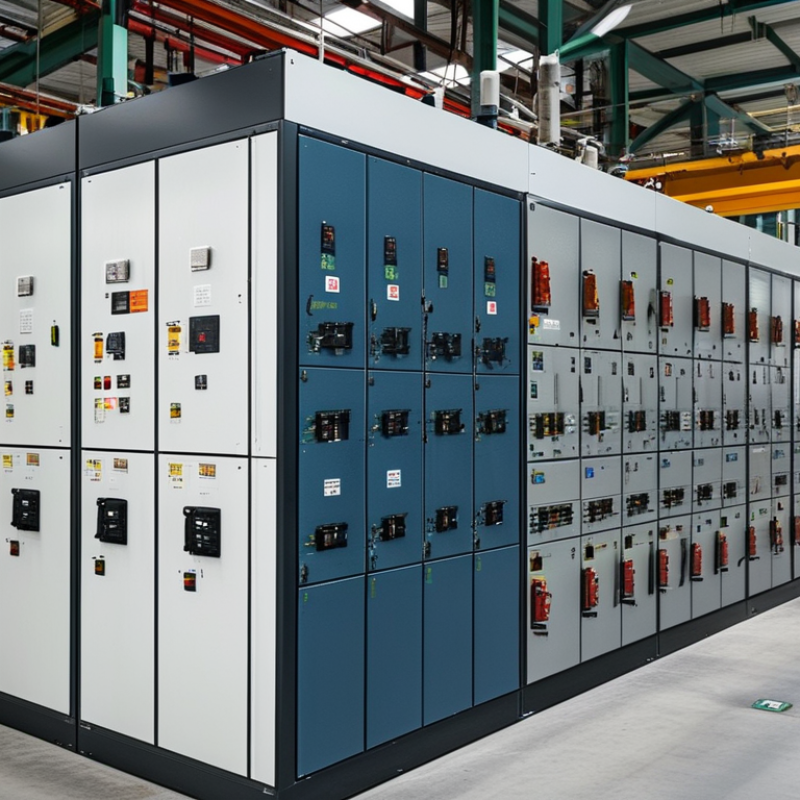
Understanding Low Voltage Switchgear: Definition and Functionality
Low voltage switchgear plays a crucial role in modern electrical systems. It is designed to control, protect, and isolate electrical equipment. According to a report by MarketsandMarkets, the global low voltage switchgear market is projected to reach USD 64.94 billion by 2026. This growth highlights the increasing demand for reliable energy distribution in various sectors, including construction, manufacturing, and utilities.
Understanding functionality starts with recognizing different components. Low voltage switchgear includes circuit breakers, contactors, and busbars. These elements work together to provide safety and efficiency. They help manage electrical loads and prevent overloads. Quality switchgear can enhance protection against faults, thereby reducing downtime. However, not all switchgear is created equal. Choosing the wrong type may lead to inefficiencies or safety risks.
Furthermore, regular maintenance is often overlooked. A study by Schneider Electric shows that up to 80% of electrical failures can be traced back to poor maintenance practices. This fact underscores the importance of routine inspections and testing. It’s essential to ensure that all components function correctly, as neglect can lead to severe consequences. Evaluating operational needs against technical specifications can help in making informed decisions.
Key Factors to Consider When Choosing Low Voltage Switchgear
Choosing the right low voltage switchgear series is crucial for any electrical project. Key factors that influence this decision can significantly affect safety and performance. A thorough understanding of your specific needs is essential. Analyze the operational environment and load requirements first. Consider temperature variations, humidity, and space constraints. These elements can impact the switchgear's efficiency.
Next, assess the design and functionality of the switchgear. Look for features that enhance reliability and maintenance. Modular designs can offer flexibility. They can adapt to changing needs over time. Safety features such as overload protection are vital. Ensure compliance with local standards for safety and performance. This step cannot be overlooked.
Finally, consult with industry professionals for insights. Their expertise can guide you through complex choices. Sometimes, feedback from past projects highlights common pitfalls. Reflect on projects that did not meet expectations. Avoiding these mistakes is essential for future success. Seeking out reliable and knowledgeable sources can ensure informed decisions in your selection process.
Comparing Different Series: Features and Specifications
When choosing low voltage switchgear, understanding features and specifications is crucial. Different series cater to varied industrial needs. For example, recent reports indicate that protective devices, such as circuit breakers and relays, have become essential. They enhance safety and prolong equipment life. Switchgear rated for 400-600 volts typically provides high reliability and efficiency compared to lower-rated models.
Considering materials and construction is key. Heavy-duty enclosures often resist harsh environments more effectively. A study by the International Electrotechnical Commission highlighted that switchgear with better insulation properties reduces failure rates by up to 30%. Performance in temperature extremes also matters. Some series operate efficiently even in temperatures ranging from -40°C to 50°C, making them suitable for diverse settings.
Cost is another factor that cannot be ignored. More expensive models may offer superior technology and longer warranties. However, they may not always be the best option for every application. Reflecting on the specific requirements of your facility is essential before deciding. Assess both the immediate and future needs, as this clarity positions you for the right choice.
Assessing Compatibility with Existing Electrical Systems
When selecting low voltage switchgear, assessing compatibility with existing electrical systems is crucial. A report by the International Electrotechnical Commission (IEC) notes that compatibility ensures system reliability and efficiency. The integration of new switchgear can affect overall system performance. Therefore, understanding the current setup is essential. Conducting a thorough audit of existing equipment helps identify potential issues.
Consider the power ratings and operational requirements of your existing switchgear. The IEEE advises that proper matching prevents unnecessary overloads and outages. Moreover, standardized interfaces facilitate smoother integration, enhancing safety. Gather information about your current switchgear’s ratings to ensure seamless compatibility. Data from the Electric Power Research Institute (EPRI) suggests that misalignment during integration can lead to costly downtimes.
In incorporating advanced features, such as remote monitoring, can disrupt older systems. Lack of proper planning often results in unforeseen complications. Evaluate the existing infrastructure while predicting future needs. This process needs attention to detail. Ensure you consult with industry experts to mitigate risks associated with incompatibility. Balancing old with new requires foresight and expertise, making it a critical focus in the selection process.
Evaluating Manufacturer Reputation and Support Services
When selecting low voltage switchgear, evaluating the manufacturer's reputation is crucial. A reputable manufacturer often indicates reliability. Look for industry certifications that demonstrate a commitment to quality and safety standards. Reviews and case studies can provide insights into customer experiences. These factors can guide you in making an informed decision.
Support services are equally important. Consider the availability of technical support. A responsive team can help address any issues you may encounter. Effective after-sales service can save you time and reduce downtime. Sometimes, manufacturers may have gaps in their support. Investigating response times and customer satisfaction ratings can help identify potential pitfalls. Engaging directly with the manufacturer before your purchase may reveal essential information about their operations.