How to Choose Ba Surface Stainless Steel Coils for Your Needs?
Choosing the right Ba Surface Stainless Steel Coils for your projects is crucial. With the global stainless steel market projected to reach $182 billion by 2026, understanding your options is more important than ever. Industry expert John Smith emphasizes, “Selecting high-quality materials can significantly affect product longevity.”
Ba Surface Stainless Steel Coils are known for their superior finish and corrosion resistance. These coils serve various applications, from automotive to architectural designs. Yet, many buyers overlook specific attributes like thickness and finish. An informed choice can lead to improved overall performance and aesthetic appeal.
The urgency for quality has never been more apparent, as research indicates that up to 30% of projects suffer from material-related issues. You want reliability. However, it can be challenging to balance cost and quality. Awareness of this balance can enhance decision-making in project management. The right coil can make all the difference, but you must approach the selection process with care.
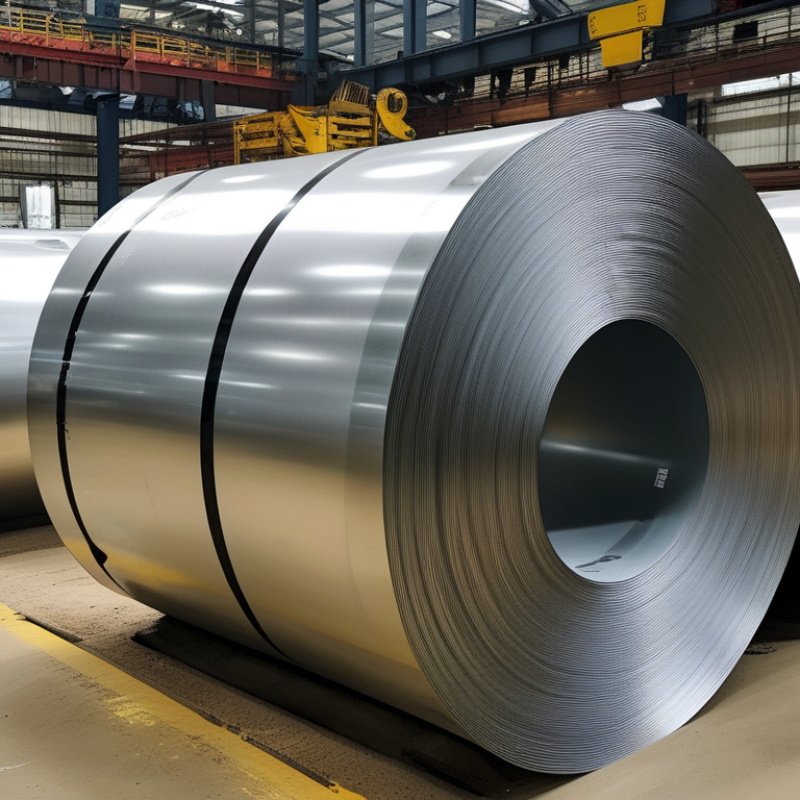
Understanding Ba Surface Stainless Steel Coils and Their Applications
Ba surface stainless steel coils are known for their unique finish and excellent properties. These coils possess a bright, reflective surface that enhances aesthetic appeal. Many industries utilize them for applications where appearance matters, such as architectural design and kitchen equipment.
Their resistance to corrosion and high temperatures makes Ba surface coils suitable for various environments. They find applications in food processing, automotive, and medical equipment. However, it's important to consider specific needs when selecting these coils. Not all Ba surfaces are equal, and factors like thickness and alloy composition can greatly influence performance.
When choosing Ba surface stainless steel coils, think about the environment they will be exposed to. Consult with experts to find the right type for your project. It’s essential to reflect on the long-term implications of your choices. Sometimes, what seems perfect may not fit all requirements in real-world applications. Balancing aesthetics with functionality requires careful thought.
Key Factors to Consider When Selecting Ba Surface Stainless Steel Coils
Selecting BA surface stainless steel coils involves several key considerations. The finish quality is crucial. A well-executed BA surface has a smooth, reflective appearance. This can affect aesthetic appeal in various applications. Poor quality surfaces may lead to issues like scratches or tarnishing over time.
Thickness is another critical factor. The thickness of the coil impacts its durability and functionality. Thicker coils generally provide better resistance to corrosion and wear. However, this also means more weight and cost. It’s important to choose a thickness that meets your needs without overpaying.
Finally, consider the intended application. Whether for architectural design or kitchen equipment, BA coils serve different purposes. Knowing the environment and conditions where the stainless steel will be used can influence your choice. You might find that what works perfectly for one project isn't suitable for another. Balancing these aspects is key to finding the right BA surface stainless steel coils for your needs.
Comparing Different Grades of Ba Surface Stainless Steel Coils
When selecting Ba surface stainless steel coils, it's vital to understand the differences among various grades. The most common grades include 304, 316, and 430. According to recent industry reports, 304 stainless steel is known for its excellent corrosion resistance and is suitable for a variety of applications. However, it might not always be the most cost-effective choice for every project.
On the other hand, 316 stainless steel offers enhanced corrosion resistance, especially in chloride environments. Data from the International Stainless Steel Forum indicates that while 316 is more expensive, it may save costs in maintenance over time. In contrast, 430 stainless steel is more affordable and is often used for applications where corrosion resistance is less critical. Understanding these differences can help prevent costly errors when choosing the right material for specific needs.
It's essential to reflect on these choices and evaluate the specific requirements of your project. Some fail to consider environmental factors that may affect material performance. Relying on general data without specific context can lead to impractical decisions. Balancing cost, performance, and longevity is crucial in the selection process.
Sources and Supply Options for Ba Surface Stainless Steel Coils
When selecting BA surface stainless steel coils, understanding supply sources is vital. There are various suppliers, from large manufacturers to local distributors. Each offers unique advantages and challenges. Large manufacturers often provide a wide variety of products. However, they may have minimum order requirements that can be daunting.
Local distributors might offer flexibility. They can adapt to smaller orders and provide quicker delivery times. Yet, their inventory might be limited. Balancing between these options requires careful consideration. You must evaluate quality, price, and reliability. Look for suppliers with a proven track record. Recommendations from industry peers can help identify trustworthy sources.
Inspecting materials before purchasing is crucial. Visit suppliers whenever possible. A physical inspection ensures the materials meet your specifications. Quality assurance should be a priority. Reflecting on your past experiences with suppliers can guide future choices. Not every supplier will meet expectations. Documenting these interactions helps refine the selection process over time.
How to Choose Ba Surface Stainless Steel Coils for Your Needs?
| Dimension (mm) | Thickness (mm) | Width (mm) | Length (m) | Finish Type | Application |
| 1000 x 500 | 0.5 | 1000 | 2 | BA | Food Industry |
| 1219 x 610 | 1.0 | 1219 | 3 | BA | Medical Equipment |
| 1500 x 750 | 2.0 | 1500 | 4 | BA | Construction |
| 2000 x 1000 | 0.8 | 2000 | 5 | BA | Automotive Parts |
| 2500 x 1250 | 1.5 | 2500 | 6 | BA | Kitchen Appliances |
Maintenance and Care for Ba Surface Stainless Steel Coils
Maintaining BA surface stainless steel coils requires attention and care. These coils are known for their aesthetic appeal, but they are not impervious to damage. Regular cleaning is essential to keep them looking their best. Using a soft cloth and a gentle cleanser can help remove dirt and fingerprints without scratching the surface. Frequent maintenance ensures that the coils remain visually appealing and functional.
Watch for corrosion spots, especially in humid environments. Treat these areas promptly to prevent further damage. It’s crucial to avoid abrasive materials during cleaning, as they can mar the glossy finish. Some users may overlook the need for protective coatings, but these can significantly extend the lifespan of BA surface coils.
Storing coils properly is just as significant. Keep them in a dry and cool place. If exposure to moisture is unavoidable, use desiccants to prevent rust formation. Reflecting on your process can bring improvements. Ask if you’re consistently following best practices. Identifying small missteps can lead to major enhancements in care routines. Taking ownership of maintenance will yield long-term benefits.