Why Choose Metal Hydraulic-Formed Bellows for Your Applications?
Metal Hydraulic-Formed Bellows have gained significant traction in various industries due to their unique advantages. According to a recent market report by MarketsandMarkets, the global demand for hydraulic components is projected to reach $64 billion by 2025. This highlights the growing reliance on advanced technologies in manufacturing and engineering.
Metal Hydraulic-Formed Bellows provide superior flexibility and durability compared to traditional materials. They are designed to absorb vibrations and accommodate thermal expansions. Industry experts note that these bellows can extend operational life, reducing maintenance costs significantly. However, not all bellows are created equal. Companies must evaluate specific performance characteristics before making a decision.
Imagine a scenario where failure occurs due to inadequate bellows construction. The resulting downtime can be costly. Therefore, choosing the right type of bellows is crucial. By considering key factors such as pressure ratings and environmental conditions, businesses can ensure optimal performance. Ultimately, investing in Metal Hydraulic-Formed Bellows offers a reliable solution for demanding applications.
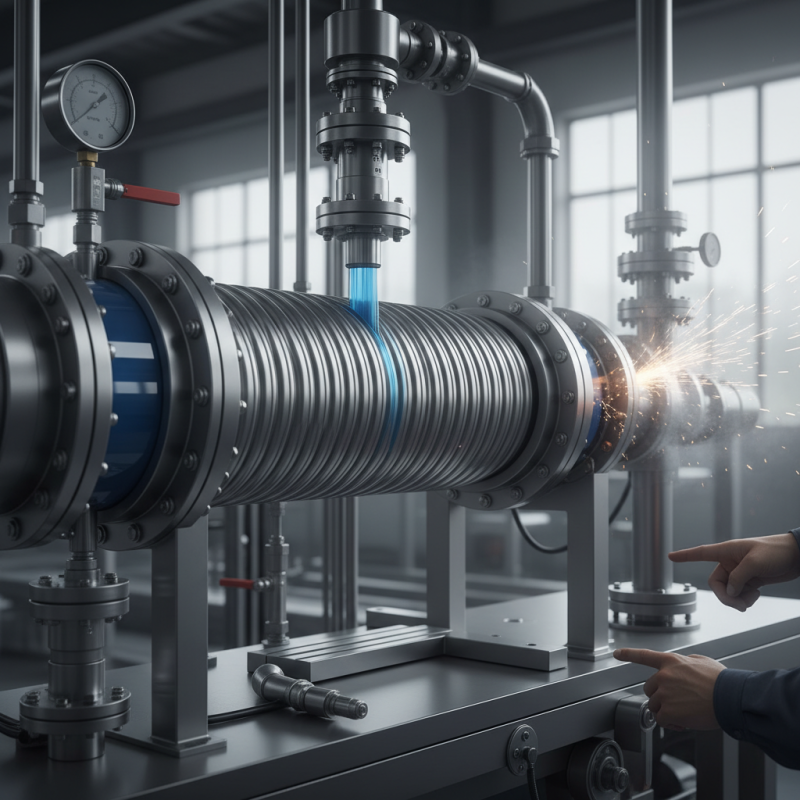
Understanding Metal Hydraulic-Formed Bellows: An Overview
Metal hydraulic-formed bellows are crucial in various industrial applications. They offer flexibility and strength, important for absorbing vibrations and shocks. These bellows are designed to withstand high pressures and extreme temperatures. Their ability to expand and contract makes them ideal for dynamic applications, such as in automotive and aerospace industries.
Understanding the manufacturing process is essential. Metal bellows are created through hydraulic forming, which ensures precise dimensions and structural integrity. This process often involves high-pressure fluids that shape metal into specific configurations. The result is a product that not only meets stringent safety standards but also delivers reliable performance over time.
However, the choice of metal and fabrication techniques can influence performance. Not all materials react the same way under stress. Testing and quality assurance are key to ensuring durability. It's important to recognize potential limitations, such as fatigue over extended use. A thoughtful selection process is necessary to achieve optimal results. Engaging with experienced engineers can provide insights into these nuances and help refine your application choices.
Key Advantages of Using Metal Hydraulic-Formed Bellows
Metal hydraulic-formed bellows are increasingly favored across various industries. Their unique design offers remarkable flexibility and strength. These components can withstand high pressure and extreme temperatures. With proper selection, their performance can be reliable in demanding environments.
One major advantage of metal bellows is their durability. They resist wear and tear effectively. This longevity reduces the need for frequent replacements, which is a significant cost-saving benefit. Unlike other materials, metal bellows are less prone to degradation over time. They maintain integrity even in harsh conditions.
Their design allows for easy integration into existing systems. Metal hydraulic-formed bellows can flex to accommodate movement. This adaptability is crucial in applications like automotive or aerospace engineering. However, they may not be suitable for every application. Evaluating specific needs is essential for optimal performance. Understanding these factors can lead to better decision-making in design processes.
Applications of Metal Hydraulic-Formed Bellows in Various Industries
Metal hydraulic-formed bellows are indispensable in various industries due to their flexibility and durability. They are commonly used in automotive applications, especially in suspension systems. Their ability to absorb shocks helps maintain comfort and vehicle control. In power generation, these bellows manage fluid flow under high pressure, ensuring efficient energy production.
In the aerospace sector, metal bellows play a critical role. They act as pressure seals in hydraulic systems, crucial for safe operation. Their resistance to extreme temperatures and pressures makes them reliable in challenging environments. However, manufacturers must monitor wear over time, as even minor failures can lead to serious issues.
In the oil and gas industry, these components help transport materials safely. They withstand harsh conditions and provide a tight seal. Yet, the challenge lies in regular inspections to avoid leaks. This highlights the need for ongoing maintenance and quality control. Each application presents unique demands, requiring specialized knowledge for effective use.
Comparing Metal Bellows to Other Bellows Materials and Designs
When considering the best materials for hydraulic-forming applications, metal bellows stand out for several reasons. Traditional bellows often use rubber or plastic, but these materials cannot withstand extreme temperatures or pressures. A report from the American Society of Mechanical Engineers found that metal bellows can handle temperatures exceeding 1,000°F while maintaining structural integrity. This resilience is vital in industries like aerospace and energy, where failure is not an option.
Durability and lifespan are key factors in design considerations. Metal bellows typically have a life expectancy of 10,000 cycles or more, significantly outlasting their rubber counterparts, which often fail after just a few thousand cycles. Additionally, a study published in the Journal of Materials Science highlighted that metal bellows offer superior resistance to corrosive environments compared to elastomeric materials. This is crucial in applications dealing with harsh chemicals or demanding operational conditions.
Choosing metal bellows can lead to enhanced safety and reduced maintenance costs. However, they come with a higher initial investment. Companies must weigh these costs against the long-term benefits, such as improved reliability and lower replacement frequency. While metal bellows are robust, improper installation can still lead to mechanical failures, highlighting the importance of expertise in assembly processes. Understanding these nuances helps in making informed decisions.
Factors to Consider When Selecting Metal Hydraulic-Formed Bellows
When selecting metal hydraulic-formed bellows, several critical factors come into play. Material choice is key. Stainless steel and alloy variations offer different advantages. Consider the environment where they will operate. Corrosive substances demand robust materials. If not, you risk premature failure.
Another factor is the required flexibility and range of motion. Bellows must expand and contract without losing integrity. Each application has unique requirements. A thorough understanding is necessary to ensure compatibility. Tolerance levels also matter. An oversight here could lead to performance issues.
Design specifications should match application needs. The wall thickness impacts durability and performance. Too thin may compromise strength; too thick could limit flexibility. It's essential to strike a balance. Additionally, consider manufacturing variances. These can affect overall reliability. Regular reviews of application needs will help refine your choices.