How to Choose Custom Polyester Fabric Air Filter for Your Needs?
Choosing the right air filter is crucial for improving air quality. Custom Polyester Fabric Air Filters are gaining popularity in various industries. Experts emphasize the importance of selecting filters that meet specific needs. David Johnson, a leading specialist in filtration solutions, states, “The right air filter can significantly enhance efficiency and health.”
When evaluating Custom Polyester Fabric Air Filters, consider several factors. The filter's material, efficiency rating, and application are essential. A filter designed for heavy dust environments may differ from one used in clean rooms. Personalizing your filter choice can lead to better performance and longevity.
However, not all filters are equal. Some may fall short in durability or filtration capacity. It’s vital to do research and choose wisely. An ill-fitting filter can lead to poor air quality and increased costs. Balancing quality with cost is often a challenge. Reflecting on these factors will guide you in making an informed decision.
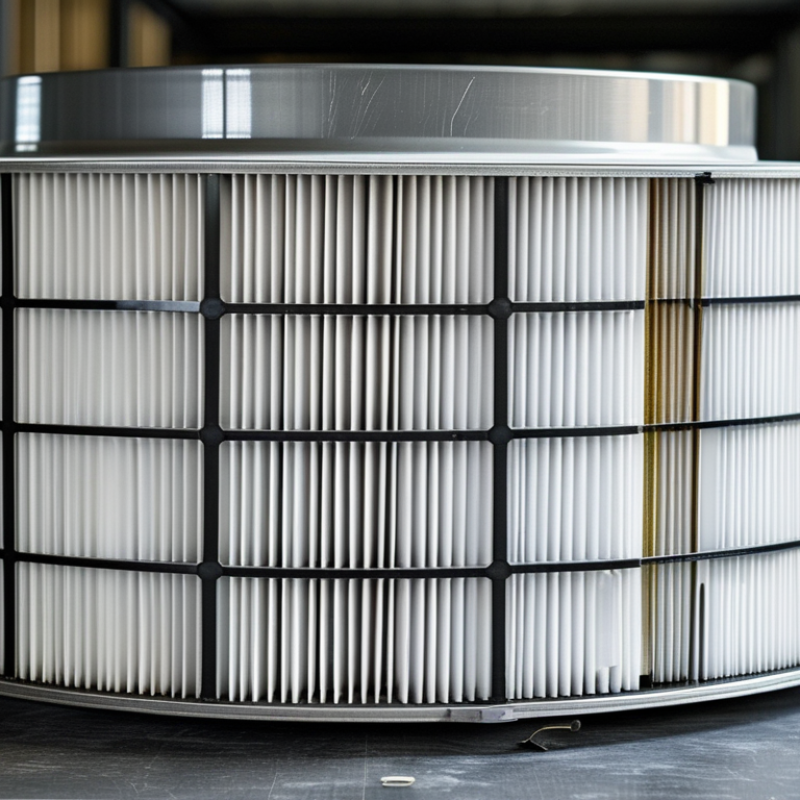
Understanding the Basics of Custom Polyester Fabric Air Filters
Custom polyester fabric air filters are essential for many applications. They effectively capture particles, ensuring cleaner air quality. Understanding the basics of these filters helps in choosing the right one. Polyester fabric is known for its durability and resistance to moisture. This makes it suitable for various industrial settings. According to a recent report by the Air Quality Engineering Association, synthetic filters can remove up to 95% of airborne particles, significantly improving air quality.
The efficiency of polyester filters is often measured by their MERV rating. The Minimum Efficiency Reporting Value (MERV) indicates how well a filter captures particles of different sizes. For instance, filters with a MERV rating between 8 and 13 can trap pollen, dust mites, and mold spores. However, filters with higher MERV ratings can restrict airflow, which may impact system performance. Thus, it's crucial to balance filtration efficiency and airflow needs for optimal performance.
When selecting custom filters, consider the specific environment. Factors like humidity levels, temperature, and the types of pollutants play a role. Some facilities may require additional features like antimicrobial properties, which can be beneficial in reducing bacteria growth. Selecting the wrong filter can lead to operational inefficiencies and increased costs. Investing time in understanding the needs of your facility can lead to better air quality and improved efficiency.
Key Factors to Consider When Selecting Air Filter Material
Choosing the right custom polyester fabric air filter can significantly impact air quality. Key factors to consider include filtration efficiency, durability, and core material. Higher filtration efficiency means better capture of particulates. Look for filters rated for specific particle sizes to ensure they meet your needs.
Another important consideration is the filter's durability. Polyester fabric is known for its resistance to moisture and chemicals. This can ensure a longer lifespan, reducing the need for frequent replacements. Pay attention to the conditions in which the filter will be used. Some environments may accelerate wear and tear, requiring more robust options.
Core material is often overlooked but plays a crucial role in air filter performance. A sturdy core supports the filter structure, preventing collapse under pressure. If the core material is weak, airflow may decrease, harming efficiency. It's always worthwhile to reflect on how these elements interconnect and influence overall air quality. Choosing wisely requires diligence and an understanding of specific needs.
Assessing Filter Performance Requirements for Your Applications
When selecting a custom polyester fabric air filter, performance requirements should be your top priority. Various applications have unique filtration needs. Consider factors such as airflow resistance, particle size, and environment. Each of these elements directly influences the filter's efficiency.
Tips: Begin by defining your specific needs. Assess the environment where the filter will be installed. Some situations require heavy-duty filtration, while others need basic dust control. Understanding these differences is critical for making the right choice.
Evaluate the specific performance metrics of the filters. Check the Minimum Efficiency Reporting Value (MERV) ratings. A higher rating indicates better filtration capabilities. However, be aware that higher-rated filters may restrict airflow, impacting system performance. Balance filtration efficiency with airflow requirements to find the optimal solution.
Tips: Test different materials and designs if possible. Real-world performance may differ from theoretical expectations. Use your assessments as a guide, but remain open to adjustments in your choices. Don’t hesitate to seek advice from experts in filtration technology, as their insights can help refine your decision-making process.
Customization Options for Polyester Fabric Air Filters
When choosing a custom polyester fabric air filter, consider the specific requirements of your environment. Customization allows flexibility in selecting dimensions, filtration levels, and additional features. For instance, the thickness of the fabric can impact its filtration efficiency. A denser fabric often captures more particles, but it may restrict airflow.
Tips: Know your space. Assess airflow needs and pollutants present. A thorough analysis helps in making an informed decision.
Customization options also include the choice of backing material. Some environments may demand a waterproof backing or one that withstands higher temperatures. Consulting with experts can guide you through selecting the right combination.
Tips: Seek expert advice. They can provide insights based on years of experience.
Remember to review the maintenance requirements. While custom filters can be highly effective, they may also require different care routines. Evaluate your ability to maintain the filter over time to ensure consistent performance.
Polyester Fabric Air Filter Customization Options
Maintenance and Longevity of Custom Polyester Filters
Selecting the right custom polyester air filter is just the beginning. Maintenance is crucial for longevity. Regularly inspect your filters for dirt and debris. A clean filter works more efficiently. Schedule routine checks every month. This simple task can save you money on energy costs.
To extend the life of your filters, focus on proper cleaning methods. Rinse the filters gently with water and use mild soap if necessary. Avoid harsh chemicals that may damage the fabric. Air drying is preferable. This helps maintain the filter's structure. Remember, a filter that is too clogged affects air quality.
Consider the environment where the filters operate. Excessive dust or pollution can lead to quicker buildup. If you notice frequent changes in air quality, adjust your maintenance schedule. It might also be worth experimenting with different cleaning intervals. An ongoing assessment can lead to better performance. Making small changes can have a significant impact on the filter's durability.
How to Choose Custom Polyester Fabric Air Filter for Your Needs? - Maintenance and Longevity of Custom Polyester Filters
| Feature | Importance | Maintenance Tips | Expected Longevity |
| Filtration Efficiency | High - Ensures clean air and protects equipment | Regular cleaning and replacement based on usage | 2-5 years, depending on environment |
| Material Quality | Critical - Affects durability and performance | Avoid exposure to harsh chemicals | 3-8 years with proper care |
| Size and Fit | Very Important - Proper fit prevents air leaks | Regularly check dimensions; use accurate measurements | Varies with installation; ensure correct sizing at install |
| Filter Design | Significant - Impacts air flow and filter efficiency | Check for tears and wear regularly | 1-4 years, depending on design and usage |
| Environment Sensitivity | Important - Different environments affect filter lifespan | Monitor air quality and replace accordingly | 1-5 years based on location and air quality |