China Top Temperature and Humidity Sensors for Global Buyers?
As industries worldwide strive for precision, the role of Temperature and Humidity Sensors becomes increasingly significant. These devices are essential for monitoring environmental conditions in various sectors, including agriculture, pharmaceuticals, and food production. China, as a leading manufacturer, offers a diverse range of sensors tailored for global buyers.
The design of these sensors reflects advanced technology. They ensure accuracy and reliability, meeting the demands of modern applications. However, buyers should consider several factors when selecting a supplier. Quality assurance and dependable after-sales support are critical. Given the vast market, distinguishing between brands can be challenging.
In exploring this topic, it's crucial to address the potential for misleading specifications. Some manufacturers may overstate their sensor performance. Buyers should conduct thorough research and seek verified reviews to ensure informed decisions. The journey to finding the right Temperature and Humidity Sensor is not always straightforward, but it is vital for operational success.
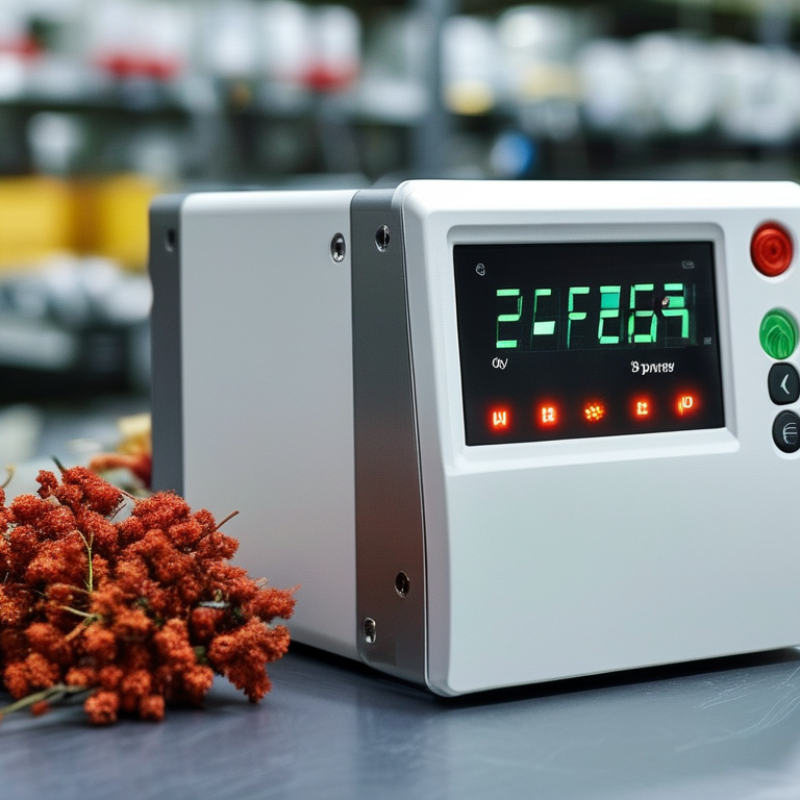
Overview of Temperature and Humidity Sensors in China
China has emerged as a key player in the temperature and humidity sensor market. The country produces a wide variety of sensors that cater to different industries. These sensors are vital for applications ranging from agriculture to HVAC systems. Advanced manufacturing techniques ensure high accuracy and reliability.
The demand for reliable climate monitoring devices continues to grow. Many industries require precise measurements to maintain optimal conditions. Despite advancements, challenges remain in quality control and standardization. Some sensors may not meet global standards. Buyers must critically evaluate sensor specifications before making purchasing decisions.
With a focus on innovation, Chinese manufacturers explore new technologies. This commitment aims to improve sensor efficiency and longevity. Future trends indicate a shift towards smart sensors with connectivity features. Such developments promise to enhance data accessibility and usability. The landscape is evolving, and continuous improvement is essential for sustained growth.
China Top Temperature and Humidity Sensors for Global Buyers
| Sensor Type | Measurement Range | Accuracy | Output Signal | Applications |
| Digital Temperature Sensor | -40°C to 125°C | ±0.5°C | I2C/SPI | HVAC, Automotive |
| Humidity Sensor | 0% to 100% RH | ±3% RH | Analog/Digital | Industrial, Consumer Electronics |
| Thermocouple | -200°C to 1350°C | ±1.5°C | Voltage Output | Food Industry, Manufacturing |
| Bimetallic Temperature Sensor | -50°C to 500°C | ±2°C | Mechanical | HVAC, Ovens |
| Infrared Temperature Sensor | -30°C to 500°C | ±0.5°C | Digital (IR) | Medical, Industrial |
Key Manufacturers of Temperature and Humidity Sensors in China
Temperature and humidity sensors are essential in various industries. In China, several manufacturers stand out due to their innovation and expertise. These companies focus on producing high-quality sensors that are reliable for climatic measurements. Their products play a crucial role in agriculture, HVAC systems, and food storage.
The manufacturing landscape in China is robust. Many local firms emphasize research and development. They invest in advanced technology to provide accurate readings. This commitment to quality enables them to cater to global markets. However, the vast number of manufacturers can be daunting for buyers. Not every company offers consistent quality or support.
Having a clear understanding of specific needs is vital. Consider factors such as accuracy, durability, and response time. Researching manufacturer certifications provides insights into their reliability. Engaging with industry experts can help navigate this complex market. This approach will ensure that buyers make informed choices.
Technological Advancements in Chinese Sensor Production
Technological advancements in China’s sensor production have significantly transformed the market for temperature and humidity sensors. Recent industry reports highlight that China's sensor market is projected to reach $60 billion by 2025, driven by innovations in IoT and automation technologies. This rapid growth presents an opportunity for global buyers to source high-quality sensors with enhanced performance characteristics.
Manufacturers in China are now integrating advanced materials and cutting-edge technologies into their sensor designs. For instance, piezoresistive sensors are now more common, offering improved accuracy and reliability. Data from industry analysts indicate that these advancements can boost operational efficiency by up to 30%. Such improvements not only enhance product performance but also contribute to sustainability efforts by reducing energy consumption in various applications.
When considering sourcing from China, buyers should communicate clearly about their specific requirements. Understanding the production capabilities and quality control processes of manufacturers is crucial. Gathering insights on past performance metrics can help ensure the reliability of the products. Engaging in direct discussions with suppliers can also clarify any potential concerns during the partnership.
China's Top Temperature and Humidity Sensors Performance Overview
Applications of Temperature and Humidity Sensors Worldwide
Temperature and humidity sensors play a vital role in various global applications. These sensors are crucial in agriculture, where precise climate control can enhance crop yield. According to industry reports, over 30% of crop production relies on optimal humidity and temperature levels. Farmers often use these sensors to monitor greenhouse environments. Accurate measurements can lead to better irrigation practices and minimized resource waste.
In the industrial sector, temperature and humidity sensors are essential for quality control. Industries such as pharmaceuticals and food processing highly depend on these sensors to ensure product safety. A recent study indicated that improper climate control could lead to a 20% increase in spoilage rates. Thus, maintaining precise environmental conditions is critical for operational efficiency.
Despite the technological advancements in sensors, challenges remain. Calibration issues can lead to inaccurate readings, affecting decision-making processes. Ensuring sensor reliability requires regular maintenance and checks. Users must be aware of these potential pitfalls to mitigate risks effectively. As we advance, improving sensor technology and reliability should remain a priority across all applications.
Market Trends and Future Outlook for Sensors in Global Markets
The global market for temperature and humidity sensors is evolving rapidly. This growth reflects the demand for precise environmental monitoring across various sectors. Industries like agriculture and HVAC are becoming increasingly reliant on these sensors for efficiency. Key applications include indoor climate control and agricultural automation.
With rising environmental concerns, innovative sensor technologies are shaping future trends. Wireless sensors are gaining traction, enhancing data accessibility and real-time monitoring. The integration of Internet of Things (IoT) technologies offers more flexible solutions. However, challenges remain. Compatibility issues and varying standards can hinder adoption. Moreover, manufacturers must address concerns over data privacy and security.
As the market continues to expand, manufacturers need a keen understanding of consumer needs. Investment in R&D will be crucial for staying competitive. Companies must also consider sustainability in their designs. Future trends indicate a shift towards eco-friendly materials. This awareness reflects a growing consciousness about environmental impact. The landscape of temperature and humidity sensors is not only diverse but also complex, indicating a need for continuous adaptation and improvement.