
Blog

China Top 10 Oil Separator Manufacturers for Global Buyers

Choosing among China’s top 10 Oil Separator manufacturers requires more than comparing prices or polished catalogs. Global buyers must examine separation efficiency, flow capacity, material quality, maintenance access, and documented testing. A workshop floor often reveals more than a brochure. Look for welded seams, inspection ports, gasket quality, and clear identification plates.

Dr. George Tchobanoglous, a respected wastewater-treatment authority, offers a useful reminder: “Design should begin with wastewater characteristics, not equipment labels.” That principle matters when selecting an Oil Separator for garages, factories, marine facilities, food plants, or stormwater systems. Oil density, temperature, solids content, and peak flow can change performance dramatically. The strongest manufacturers should explain these variables clearly and provide practical sizing data.

This guide compares ten Chinese suppliers through an international buyer’s lens. It considers manufacturing experience, engineering capability, product customization, quality control, certifications, export history, and after-sales support. Factory audits and sample testing remain valuable. They are not optional details.

Still, no ranking is permanently correct. A manufacturer suitable for a small workshop may fail a refinery project. Some suppliers also present impressive specifications without enough field evidence. That deserves careful questioning. Buyers should request drawings, performance curves, test reports, spare-parts information, and installation guidance before placing an order. Small details can prevent expensive problems later. Our review aims to provide a practical starting point, while recognizing that site conditions and project risks may require independent engineering verification.
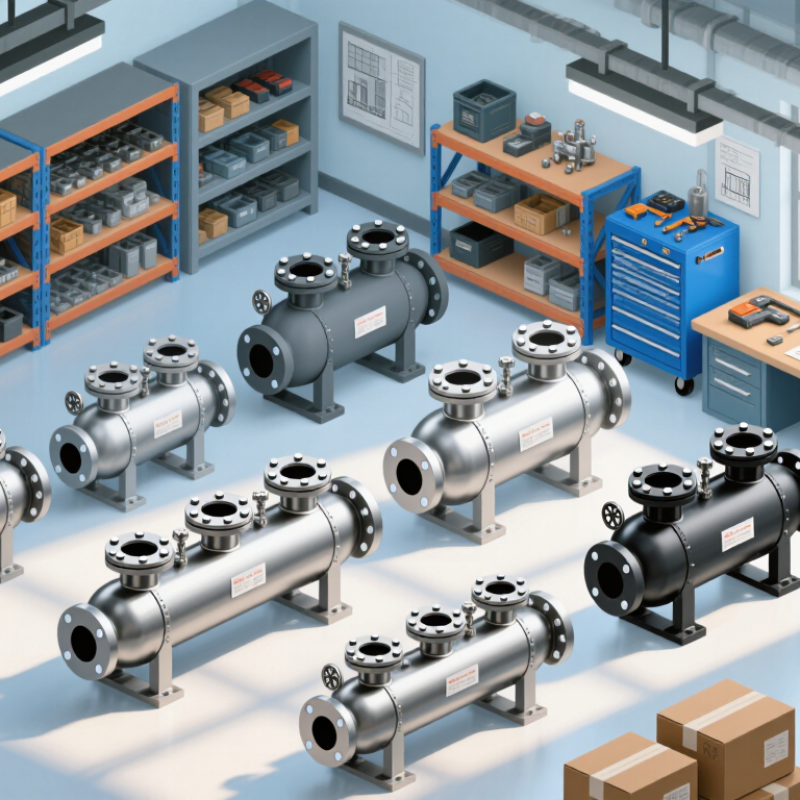
China Top 10 Oil Separator Manufacturers for Global Buyers

What Is an Oil Separator and Why Does It Matter?

An oil separator is a device that removes oil from water, air, or process fluids. It uses gravity, coalescing media, centrifugal force, or filtration. The right method depends on oil density, flow rate, temperature, and contamination level. Simple in theory. Often difficult in practice.

In workshops, separator performance can change when coolant, detergents, or metal particles enter the stream. A unit sized only by pipe diameter may underperform. Engineers should check peak flow, not just average flow. They should also examine pressure loss, drain access, materials, and replacement intervals. Transparent inspection covers can reveal sludge buildup before it causes trouble. That small detail matters.

For global buyers, technical documents deserve careful review. Look for tested separation efficiency, operating limits, maintenance instructions, and traceable quality records. A credible manufacturer explains both strengths and limitations. No separator works perfectly under every condition. We sometimes overfocus on headline efficiency and overlook cleaning habits. That is a practical mistake. Regular draining and correct installation usually protect performance better than optimistic specifications. Safety features, corrosion resistance, and compatible seals also influence service life. The cheapest unit may become expensive when downtime, labor, and disposal needs are included.

How to Evaluate Chinese Oil Separator Manufacturers

Evaluating Chinese oil separator manufacturers requires more than comparing catalog prices. Start with process evidence. Ask for separation capacity, inlet oil concentration, outlet target, pressure loss, and materials for every model. A reliable supplier should provide drawings, calibration records, and test results from a competent laboratory. ISO 9001 helps assess process control, but it does not prove separation performance. The ISO Survey 2023 recorded 1,265,216 ISO 9001 certificates worldwide. Certification is common. It is not conclusive.

Check testing against your operating conditions. API RP 421 offers useful guidance for oil-water separator design and operation, while ISO 14001 can indicate structured environmental management. For marine applications, verify testing around the 15 ppm bilge-water limit under MARPOL Annex I. Do not accept a single clean-water demonstration. Request results using realistic oil viscosity, temperature, flow variation, and emulsion levels. The U.S. EPA distinguishes free oil from emulsified oil, and many basic separators handle the former far better. That detail is often missed.

Visit the factory when possible. Watch welding, surface treatment, pressure testing, and serial-number tracking. Review spare-part availability and response times. A low quotation can hide expensive media replacement or difficult cleaning. I would also compare three recent references with similar flow rates. Some documentation may look polished but remain incomplete. That should trigger questions, not immediate rejection. An independent inspection before shipment adds useful confidence, especially when test methods differ between the supplier and buyer.

China’s Top 10 Oil Separator Manufacturers

China’s Top 10 Oil Separator Manufacturers attract global buyers with practical engineering and flexible production. Their product ranges often include coalescing separators, centrifugal units, and compact systems for workshops. Experienced manufacturers usually support custom materials, flow rates, and connection sizes. However, product quality can vary between factories. A professional review should examine drawings, test data, and operating conditions before purchase.

Reliable suppliers can provide pressure tests, material certificates, and inspection records. Buyers should also ask about separation efficiency under real oil loads. Factory visits may reveal useful details, such as clean assembly areas and calibrated testing equipment. These small signs matter. Still, paperwork is not performance. I have found that installation guidance and after-sales response deserve equal attention. Some suppliers look strong on paper but communicate slowly after delivery.

Tips: Compare at least three technical quotations. Check inlet flow, oil viscosity, temperature, and maintenance space. Request a sample test when the application is unusual. Confirm spare-part availability before signing an order. Ask whether the stated efficiency applies to your actual operating conditions. A separator that works in a laboratory may struggle in a busy plant. Also, leave room for honest uncertainty; early specifications are sometimes incomplete, and careful suppliers will ask questions before promising results.

China Top 10 Oil Separator Manufacturers for Global Buyers - China’s Top 10 Oil Separator Manufacturers

Rank Anonymous Supplier Profile Main Oil Separator Type Typical Separation Application Common Materials Relevant Standard or Design Reference Typical Buyer Verification Point
1 Supplier Profile 01 Gravity oil-water separator Stormwater, parking areas, workshops and vehicle-washing wastewater Reinforced concrete, carbon steel or polyethylene EN 858-1 and EN 858-2; project-specific local discharge rules Rated flow, oil-storage capacity, sludge-storage capacity and access for maintenance
2 Supplier Profile 02 Coalescing plate separator Industrial wastewater containing free oil and suspended solids Carbon steel, stainless steel, polypropylene or fiberglass-reinforced plastic EN 858 design principles; API 421 concepts for gravity oil-water separation Plate spacing, hydraulic loading, droplet-size assumptions and cleaning method
3 Supplier Profile 03 Oil mist eliminator Machine tools, compressors, vacuum systems and process exhaust Galvanized steel, stainless steel, aluminum and glass-fiber media ISO 16890 may apply to air filtration; equipment-specific performance testing is required Airflow, pressure drop, oil carryover, filter-media compatibility and service life
4 Supplier Profile 04 Compressed-air oil separator Oil-injected rotary screw and reciprocating air-compressor systems Cellulose, synthetic fiber, stainless steel mesh and composite media ISO 8573-1 for compressed-air purity classification; compressor OEM specifications Compatibility with compressor model, residual oil level, differential pressure and sealing quality
5 Supplier Profile 05 Hydrocyclone oil separator Produced water, oily process water and compact offshore treatment systems Duplex stainless steel, stainless steel, carbon steel or ceramic-lined components API 14C or project-specific offshore process-safety requirements where applicable Inlet pressure, flow range, oil droplet size, pressure loss and solids tolerance
6 Supplier Profile 06 Belt-type oil skimmer CNC machining, metalworking fluids, tanks and centralized coolant systems Stainless steel, PVC, polyurethane and oil-resistant elastomers Application-specific performance testing; electrical components should match destination-market requirements Skimming rate, belt width, tank depth, oil viscosity and continuous-operation capability
7 Supplier Profile 07 Vacuum oil separator Vacuum pumps, vacuum packaging, chemical processing and laboratory equipment Stainless steel, aluminum, borosilicate glass and fluoropolymer seals Equipment-specific vacuum and material-compatibility requirements Vacuum level, temperature, gas composition, oil-backflow protection and seal materials
8 Supplier Profile 08 Oil-water separator package Refineries, petrochemical facilities, power plants and transport depots Carbon steel, stainless steel, FRP and coated structural components API 421 design reference; local environmental permitting requirements Process flow diagram, inlet oil concentration, peak flow, automation and sludge handling
9 Supplier Profile 09 Oil-absorbent and polishing unit Final treatment of low-concentration oily wastewater after primary separation Polypropylene sorbent, activated carbon, stainless steel and polyethylene housings Site discharge permit and project-specific effluent-quality requirements Influent oil concentration, adsorption capacity, replacement interval and spent-media disposal
10 Supplier Profile 10 Integrated oil-separation and wastewater-treatment system Food processing, industrial parks, marine facilities and mixed wastewater streams Stainless steel, carbon steel, FRP, polyethylene and polypropylene EN 858 where applicable; local wastewater, electrical and pressure-equipment regulations Complete process design, guaranteed outlet quality, factory testing, commissioning and after-sales support

Note: Supplier names and brand-identifying information are intentionally omitted. Final product selection should be confirmed against the buyer’s wastewater composition, design flow, discharge permit and applicable destination-market regulations.

Comparing Products, Technologies, and Manufacturing Capabilities

When comparing China’s top ten oil separator manufacturers, global buyers should examine product fit before headline capacity. Screw-compressor separators, vacuum-pump separators, and hydraulic coalescers need different internal designs. Coalescing media, flow direction, gasket quality, and drain systems directly affect separation efficiency. A claimed filtration rating is useful, but pressure drop at working flow matters more. Ask for performance curves, test conditions, and replacement-element specifications.

Manufacturing capability reveals practical reliability. Look for controlled welding, clean assembly areas, traceable raw materials, and dimensional inspection records. Carbon steel, stainless steel, and coated components suit different fluids and operating environments. Experienced factories can adjust flange standards, port positions, element sizes, and drainage arrangements. They should also explain burst testing, leak testing, and inspection frequency. ISO-based quality systems help, but certificates alone do not prove stable production.

Technology comparison should include fiber media, mesh construction, pleated elements, and automatic drainage options. Digital monitoring can identify rising differential pressure before output declines. However, sensors may add cost and failure points. I would request sample reports from a recent batch, not only polished brochures. That is where comparisons become less comfortable. Some suppliers offer impressive prototypes but struggle with repeat orders, packaging, or consistent lead times. A factory visit, video inspection, and small pilot order can expose these gaps. Reliable communication matters too, especially when drawings change late. The best choice is rarely the cheapest separator. It is the supplier that documents performance clearly and repeats it consistently.

How Global Buyers Can Select and Source the Right Supplier

Selecting among China’s top oil separator manufacturers requires more than comparing catalog prices. Define the duty first: oil-water separation, compressed-air treatment, or engine filtration. Record flow rate, oil viscosity, inlet temperature, pressure, and required outlet concentration. A separator sized only by pipe diameter may fail during peak loading.

Use recognized verification points. ISO 12500-1 provides testing principles for compressed-air oil-removal filters, while ISO 8573-1 classifies residual oil performance. For wastewater equipment, request test data based on actual influent conditions, not clean laboratory water. The U.S. EPA’s National Pretreatment Program covers more than 1,500 local programs, showing why discharge limits vary by location. Ask the supplier to match its design with your receiving authority’s requirements.

Inspect the factory remotely or in person. Review weld quality, gasket materials, coating thickness, spare-part lists, and calibration records. Request a witnessed factory acceptance test. Require three recent references with similar flow and contamination levels. Check whether performance data includes pressure drop after loading. Many quotations omit this detail.

Do not trust efficiency alone. A 99% claim can hide unstable test conditions. Ask for raw readings, sampling dates, and maintenance intervals. A reputable supplier should explain failure modes plainly. Even experienced buyers miss this step. No scorecard is perfect. Keep a small technical reserve for colder temperatures, variable flow, and imperfect maintenance. Supplier selection is partly engineering, partly disciplined skepticism.

China Top 10 Oil Separator Manufacturers for Global Buyers

How Global Buyers Can Select and Source the Right Supplier

This benchmark compares typical oil removal efficiency ranges used during preliminary equipment selection. Actual performance depends on oil type, droplet size, influent concentration, flow rate, temperature, residence time, and testing method. Global buyers should request verified test reports, material certificates, capacity data, after-sales support details, and compliance documentation before choosing a supplier.

Article Source:

Go to Top