Top Busbar Bending Machine Trends for 2026 What Buyers Need to Know?
As the manufacturing industry evolves, the Busbar Bending Machine emerges as a vital tool. It plays an essential role in the production of electrical systems. In a rapidly changing market, understanding emerging trends is critical for buyers seeking efficiency.
By 2026, technological advancements will reshape how these machines operate. Buyers must be aware of automated features that enhance precision. Additionally, energy efficiency continues to be a top priority. A focus on sustainability will drive innovations in busbar bending processes.
Investing in high-quality machines can lead to long-term benefits. However, the increasing options can overwhelm potential buyers. Each machine offers unique features that cater to specific needs. Therefore, thorough research and understanding are necessary before making a decision. This guide delves into critical trends that buyers should consider for informed purchasing in the coming years.
Top Busbar Bending Machine Technologies Anticipated for 2026
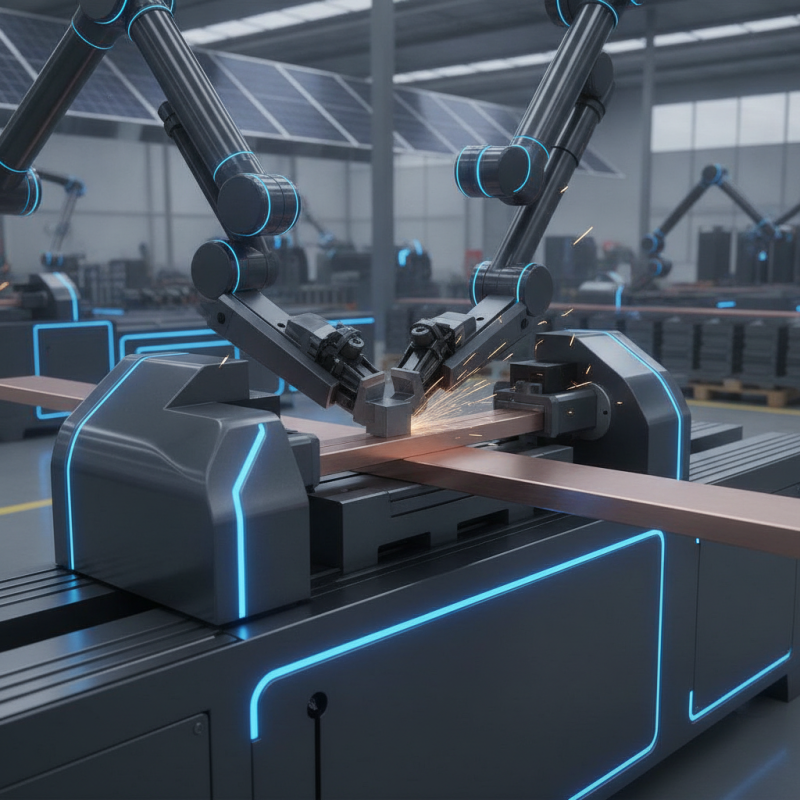
As we look to 2026, the busbar bending machine market is expected to evolve significantly. Emerging technologies will likely focus on precision and efficiency. Advanced software integration will allow for real-time adjustments. This can reduce errors and improve production timelines. Automation will play a critical role. Machines that self-calibrate can enhance overall performance drastically.
Another trend is the use of lightweight materials. These materials can make machines easier to handle. This ultimately leads to safer operating conditions. Sustainability is also becoming a priority. Many buyers are seeking energy-efficient machines. This trend addresses environmental concerns while reducing operational costs.
However, challenges remain. Not all manufacturers will adapt quickly to these technologies. Some may struggle with implementation. Others might overlook the need for employee training on new systems. This could lead to inefficiencies. Buyers should carefully assess their own capacity for adaptation. Understanding the balance between cost and technology is important. This ensures investments yield the desired returns.
Market Demand Analysis for Busbar Bending Machines in 2026
The market for busbar bending machines is projected to experience notable growth by 2026. Industry reports indicate a rising demand, driven by expanding applications in various sectors, such as renewable energy and electrical infrastructure. The increasing construction of data centers and green energy facilities is also contributing to this trend. According to a recent market analysis, the demand for busbar bending machines could surge by approximately 15% annually.
Technological advancements play a crucial role in this market's evolution. Many manufacturers are prioritizing automation and efficiency in their machines. This shift helps reduce labor costs and enhances precision. Analysts predict a shift towards user-friendly interfaces and IoT integration will become standard. The need for greater accuracy in bending processes cannot be overstated.
However, this rapid growth presents challenges. Buyers must navigate a complex landscape of machine specifications and capabilities. It's crucial to assess long-term reliability and maintenance needs. As the market becomes more competitive, understanding the subtleties of different products will be essential for making informed purchasing decisions.
Key Features and Innovations in Modern Busbar Bending Equipment
Modern busbar bending machines are evolving to meet increasing demands for efficiency and precision. According to a recent industry report, the global market for busbar bending equipment is projected to grow significantly, with a compound annual growth rate of 5.2% over the next five years. This growth is driven by the need for energy-efficient solutions and more complex electrical designs.
Key features in contemporary machines include advanced automation and user-friendly interfaces. Innovations like automatic measurement systems significantly reduce setup time. These systems ensure consistent bending angles, which is critical for maintaining quality in manufacturing. Furthermore, the integration of artificial intelligence enhances predictive maintenance, reducing downtime by up to 20%. However, these technologies require skilled operators who can troubleshoot potential failures, which may pose a challenge in workforce training.
The trend towards sustainable manufacturing is also shaping machine capabilities. Newer models are designed with energy-efficient components, lowering operational costs. Yet, some features can be overwhelming for operators unfamiliar with advanced technology. Businesses must reflect on how to balance innovation with usability. As buyers explore options, they need to consider both the initial investment and long-term operational benefits. This alignment of technology with workforce readiness will be crucial for success in the coming years.
Impact of Automation and Smart Technology on Busbar Bending
Automation and smart technology are reshaping the manufacturing landscape, particularly in busbar bending. These advancements enhance efficiency and precision. Smart technology allows for real-time monitoring of operations. Manufacturers can adjust parameters quickly, ensuring consistent product quality.
Automation reduces human error and increases production speed. Machine operators can focus on complex tasks, while machines handle routine bends. This shift leads to optimized workflows. Yet, reliance on technology raises questions about skills development. Workers must adapt to operate advanced machinery effectively.
Companies need to consider integration challenges. Transitioning to automated systems may require significant upfront investment. Additionally, some firms struggle with resistance from employees. Balancing technology with human insight is crucial for success. Embracing these trends requires thoughtful strategy and training to maximize benefits while minimizing drawbacks.
Buyer Considerations: Cost Factors and ROI in Busbar Machines
When considering the purchase of a busbar bending machine, cost factors are paramount. Initial investment is crucial, but operating costs also matter. These machines can have diverse price points, depending on features and capabilities. Prospective buyers should evaluate both the upfront costs and the long-term expenses tied to maintenance and electricity. It's essential to analyze how these costs affect overall production efficiency.
Return on investment (ROI) plays a significant role in the decision-making process. A machine's efficiency can significantly impact production output. Evaluating the potential for increased throughput is vital. Investing in a high-quality machine may lead to better returns over time. However, the risk of selecting a low-cost option could result in frequent breakdowns and high operational costs.
Buyers must consider the specific needs of their operations. Customization options can drastically influence pricing. It's a balancing act between choosing a machine that fulfills current demands and allows for future growth. This decision will require careful thought and an analysis of current market trends. Ultimately, investing in a busbar bending machine is about more than just the initial cost; it encompasses ongoing operational efficiency and long-term profitability.
Top Busbar Bending Machine Trends for 2026
| Trend | Description | Cost Factors | ROI Considerations |
| Automation Integration | Incorporating automated systems to improve efficiency. | Higher initial investment but lower operational costs. | Increased output leading to faster ROI. |
| Compact Machinery | Designs that save space while maintaining performance. | Cost efficiency by reducing facility overheads. | Saves space and allows for installation in smaller areas. |
| Energy Efficiency | Machines designed to consume less power. | Potentially higher upfront costs with energy-focused features. | Long-term savings on energy bills result in faster ROI. |
| User-Friendly Interfaces | Enhanced operator controls for ease of use. | Moderate costs for improved technology integration. | Higher productivity due to reduced training time. |
| Smart Technology | Implementation of IoT for real-time monitoring and maintenance. | Initial investment can be high for smart features. | Optimized maintenance schedules improve machine uptime. |