Best Welding Rotators for Sale in 2026 How to Choose?
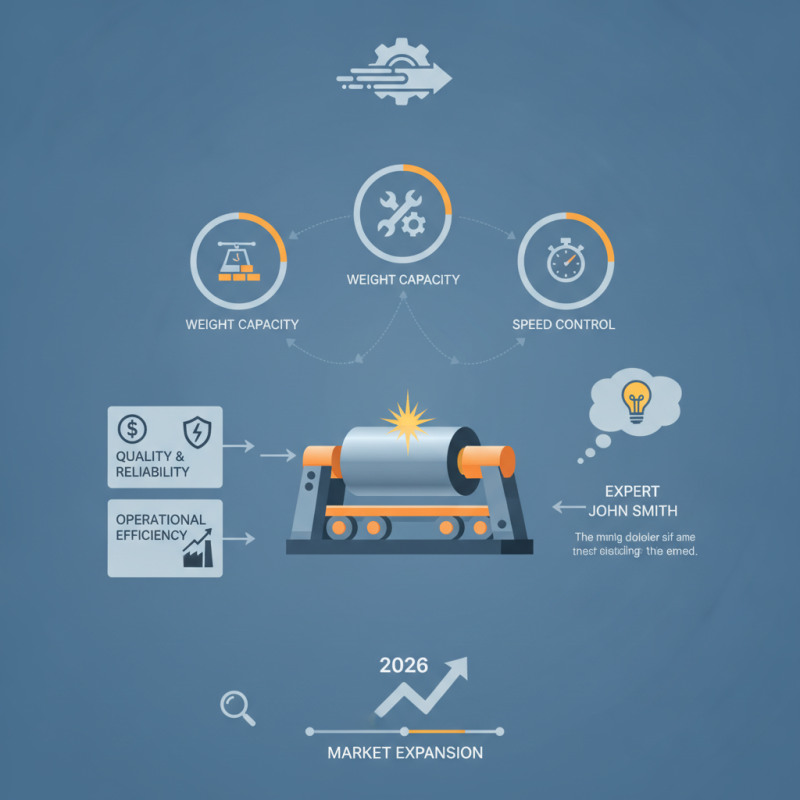
As the demand for efficient welding solutions grows, the market for welding rotators continues to expand. In 2026, choosing the right Welding rotator for sale can make a big difference in operational efficiency. Expert John Smith, a leading figure in the welding industry, once stated, "Selecting the right equipment can elevate project quality significantly." His insight highlights the necessity of informed choices in this space.
Welding rotators support various applications. They aid in aligning workpieces, ensuring precise welding. Yet, with the many options available, finding the perfect welding rotator for sale can feel overwhelming. Factors such as weight capacity, adjustability, and speed control need consideration. Each feature can dramatically impact productivity in a workshop.
While many buyers focus solely on price, it's critical to consider quality and reliability. Sometimes, cheaper models lead to increased long-term costs through repairs and inefficiency. Reflecting on these aspects can guide a wiser purchasing decision, ultimately enhancing the overall performance of welding projects.
Best Welding Rotators: Key Features to Consider in 2026
When choosing welding rotators in 2026, key features come into play. Stability and load capacity are essential. A stable base ensures safety while handling heavy items. Your equipment should support various sizes and weights. Understanding the right specifications is crucial.
Control systems can vary widely. Some rotators have manual controls, while others are fully automated. Automated options often provide greater precision. Choose based on your operational needs. Consider your workspace too. Space constraints might limit your selection.
Tips: Always assess the material quality. Rotators made from durable materials last longer. Research user reviews to learn from their experiences. Paying attention to maintenance requirements helps maintain optimal performance. Take the time to reflect on your choices. It’s easy to overlook details, but they matter.
Types of Welding Rotators Available for Different Applications
When selecting welding rotators, understanding the types available is crucial. These tools are essential for various applications in the industry. Rotators come in three main types: light-duty, medium-duty, and heavy-duty. Each type serves different purposes and fits specific project requirements.
Light-duty rotators are ideal for smaller components. They typically handle weights up to 1,000 kg. These machines are often used in the fabrication of small tanks and pipelines. In contrast, medium-duty rotators can manage weights between 1,000 kg and 5,000 kg. They are the go-to choice for larger assembly projects. Heavy-duty rotators cater to extreme demands. Designed for weights exceeding 5,000 kg, they're essential in shipbuilding and large manufacturing settings, highlighting the equipment's capacity.
A report by the Welding Equipment Manufacturers of America indicates a consistent growth in demand for specialized welding rotators. Industries increasingly seek efficiency and safety in their operations. Selecting the right type of rotator is key to achieving these goals. However, choosing the wrong type can lead to inefficiencies. Operators sometimes overlook the specific weight capacities and application requirements. This oversight could have costly consequences. The industry must focus on educating personnel about these critical distinctions to avoid setbacks.
Best Welding Rotators for Sale in 2026 - How to Choose?
| Type of Welding Rotator | Load Capacity | Rotation Speed | Applications |
| Standard Welding Rotator | Up to 10,000 lbs | 0.1 - 2 RPM | Pipe welding, Tank fabrication |
| Self-Aligning Rotator | Up to 15,000 lbs | 0.05 - 1 RPM | Cylindrical workpieces, Heavy welding |
| Adjustable Welding Rotator | Up to 20,000 lbs | 0.01 - 3 RPM | Custom fabrication, Vessels |
| Vertical Welding Rotator | Up to 8,000 lbs | 0.1 - 1.5 RPM | Vertical operations, Heavy duty |
| Heavy-Duty Welding Rotator | Up to 30,000 lbs | 0.2 - 0.5 RPM | Large diameter pipes, Heavy components |
Top Brands Offering Welding Rotators in 2026
When looking for welding rotators, evaluating various brands is crucial. Many manufacturers now emphasize quality and innovation. Each has its strengths and weaknesses, making it essential to research carefully.
Popular brands often highlight features like adjustable speed and robust construction. Some models are designed for heavy-duty applications, while others cater to lighter welding tasks. Pay attention to the warranty offered. A good warranty can reflect the manufacturer's confidence in their product.
Customer reviews can provide valuable insights. They often reveal issues that may not be apparent from specifications alone. Look for feedback on durability and performance over time. This step helps ensure you choose a rotator that meets your needs. Sometimes, a highly rated product may fall short in real-world usage. Reflecting on these experiences will aid in making a more informed decision.
Cost vs. Quality: What to Look for in Welding Rotators
When selecting welding rotators, it’s essential to balance cost and quality. High-quality rotators improve efficiency. They ensure accurate and consistent welding. A higher price tag often reflects better materials and construction. Yet, it’s wise to examine features over price alone. Sometimes, lower-priced models meet specific needs effectively.
Consider the types of projects you'll undertake. Heavier and more complex tasks require robust rotators. Lightweight projects may not need advanced features. Investing in a rotator is a commitment. A cheaper option can be tempting but might lead to regrets later. Weigh the long-term benefits against immediate costs.
Look for user reviews and expert opinions. They provide insights often missed in specifications. Real-world use reveals performance and reliability. Not all manufacturers are equally reliable. Investigate warranties too; they indicate a brand's confidence in its product. Make informed choices based on both cost and quality to find the best welding rotator for your needs.
Maintenance Tips for Prolonging the Life of Welding Rotators
Maintaining welding rotators is essential for their longevity. Regular inspections can help to identify issues early. Look for signs of wear on the motor and rotating parts. Lubrication is also key. Use the right type of grease for the joints and gears. A little attention here can prevent bigger problems down the line.
Another important aspect is to keep the rotators clean. Remove any metal shavings or debris. This can improve performance and reduce the risk of malfunction. Check wiring and connections regularly. Loose connections can lead to electrical failures. It’s a simple step that often gets overlooked.
Using the right operating procedures can also extend the life of your equipment. Adhere to load limits to avoid straining the rotator. Avoid abrupt starts and stops. This might seem minor, but it can cause unnecessary stress on components. Each step in maintenance contributes to better functionality. Ignoring even small details can lead to costly repairs later.