2026 Best Waste to Energy Plant Solutions for Global Buyers?
As the world faces increasing waste management challenges, the demand for innovative solutions is rising. The Waste to Energy Plant concept offers a promising way to convert waste into valuable energy. Many countries are looking for efficient methods to handle their waste issues while producing clean energy.
In 2026, global buyers will seek the best Waste to Energy Plant solutions. These plants can reduce landfill waste and generate electricity or heat. They play a crucial role in sustainable development and climate change mitigation. However, not all solutions are equal. Potential buyers must consider technology, reliability, and environmental impact.
Investing in the right Waste to Energy Plant is essential for success. Each project presents unique challenges and opportunities. It is vital to reflect on past implementations to avoid mistakes. With careful planning and a focus on proven technologies, buyers can make informed decisions. These solutions not only address waste but also contribute to a circular economy.
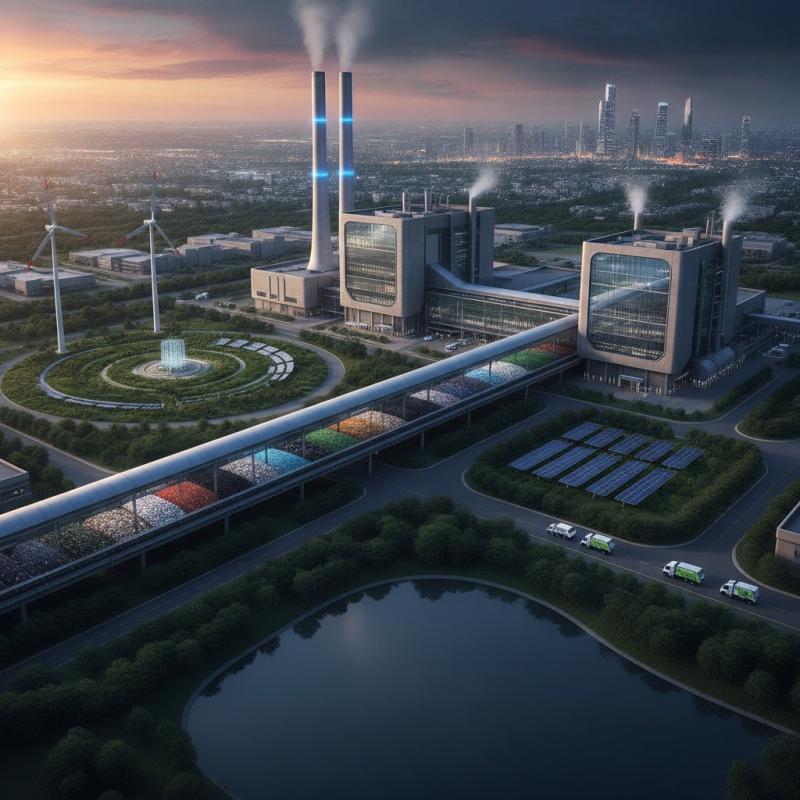
Overview of Waste to Energy Technologies for 2026
As global awareness of waste management grows, waste-to-energy technologies are evolving. These solutions convert waste into usable energy through various methods, such as incineration and anaerobic digestion. Understanding these technologies is essential for buyers in 2026 seeking effective energy solutions.
Incineration remains a prominent option. It can significantly reduce waste volume while generating energy. However, concerns about emissions and air quality persist. Buyers must ensure compliance with environmental standards. Anaerobic digestion is another method, using microorganisms to break down organic waste without oxygen. This process produces biogas, which can be harnessed for electricity or heating. While efficient, managing the input materials can be challenging.
Emerging innovations, such as plasma gasification, are also worth considering. This technique uses extreme heat to convert waste into syngas, a versatile energy source. Yet, the technology is still developing, and its cost-effectiveness may vary. Overall, navigating these options requires careful analysis and a thoughtful approach to local regulations and environmental impact. Balancing efficiency with sustainability will be crucial for global buyers in the coming years.
Key Factors to Consider When Selecting Waste to Energy Solutions
When selecting waste-to-energy solutions, buyers must consider several key factors. The technology used is paramount. Different processes convert waste into energy, including incineration and anaerobic digestion. Each technology has distinct efficiencies and environmental impacts. Understanding these nuances can help in making an informed decision.
Tips: Evaluate the local waste composition. Different methods work better with specific types of waste. Conduct pilot tests if possible. This approach provides insights into the technology's effectiveness.
Cost and financing options are crucial. Initial capital can be high. Yet, long-term savings in waste disposal and energy production often balance this out. Ensure a thorough analysis of total costs over time. Maintenance expenses can also influence the overall budget.
Tips: Gather multiple quotes. Engage with experts to understand hidden costs. This can prevent financial surprises later on.
Regulatory compliance is another important factor. Each country has its own waste management laws. Companies need solutions that align with local regulations to avoid penalties. Researching the legal framework helps in choosing compliant technology.
Tips: Stay updated on regulations. Changes can affect long-term feasibility. Regular consultations with legal experts can aid in navigating these complexities.
Top Waste to Energy Plant Designs for Efficiency and Sustainability
Innovative waste to energy plant designs are crucial for efficiency and sustainability. These facilities convert waste into clean energy, helping manage waste while reducing carbon footprints. The focus is on optimized systems that utilize advanced technologies and smart design. Modular designs offer flexibility, enabling scalability. This can adapt to various waste streams and energy demands.
Investing in renewable energy sources is essential. Waste to energy plants can harness local resources effectively. Implementing cogeneration systems increases overall efficiency. This allows the simultaneous production of electricity and useful heat. However, not all designs deliver the intended outcomes. It's important to conduct thorough feasibility studies.
**Tips:** Consider the types of waste available in your area. The effectiveness of a plant depends on the waste input. Engage with experienced professionals in the field for best practices. Regular audits can help improve operations and identify inefficiencies. Sustainable practices should be incorporated into plant management.
2026 Best Waste to Energy Plant Solutions for Global Buyers
| Plant Type | Energy Output (MW) | Feedstock | Efficiency (%) | CO2 Reduction (tons/year) | Investment Cost (Million USD) |
| Incineration | 20 | Municipal Solid Waste | 85 | 50,000 | 60 |
| Anaerobic Digestion | 10 | Organic Waste | 75 | 30,000 | 40 |
| Gasification | 25 | Wood Chips | 90 | 60,000 | 80 |
| Pyrolysis | 15 | Plastic Waste | 80 | 40,000 | 70 |
| Combined Heat and Power (CHP) | 30 | Biomass | 88 | 70,000 | 90 |
Global Market Trends and Innovations in Waste to Energy Solutions
As global concern for waste management grows, innovative solutions in waste-to-energy technology are emerging. These solutions convert waste into energy, reducing landfill overflow and generating power. Countries are investing in advancements. However, the effectiveness of these plants varies based on location and technology used.
One noteworthy trend is the integration of smart technology. Advanced sensors analyze waste composition, optimizing energy recovery. This precision leads to reduced emissions and enhanced efficiency. Despite these advancements, challenges remain. The initial costs for infrastructure can be daunting for many regions, especially developing countries.
Public perception also plays a role. While many support energy-from-waste initiatives, concerns about pollution persist. Transparent communication and community engagement are key to addressing these fears. Innovations must balance environmental impact with community needs. Achieving this balance requires ongoing dialogue and testing.
Case Studies of Successful Waste to Energy Projects Worldwide
The global waste to energy sector is evolving rapidly, with innovative projects emerging worldwide. Successful implementations demonstrate various models of converting waste into usable energy. A report by the International Energy Agency indicates that waste to energy plants account for 10% of the global renewable energy production. This statistic underscores the potential of such plants to contribute significantly to sustainable energy solutions.
One notable case study is the trial project in Sweden. This facility processes 800,000 tons of waste annually and produces enough energy to power 70,000 homes. However, challenges persist. Some residents express concerns about emissions. Moreover, the efficiency of converting waste into energy varies significantly based on technology used.
Another example can be found in Japan. The country has invested heavily in waste to energy projects, achieving a recycling rate of approximately 20%. Yet, high operational costs and public skepticism around waste processing techniques pose barriers. Industry insights highlight the need for improved community engagement and transparency in operations to address these issues effectively.