
Choosing reliable Rfid Stickers For Inventory requires more than comparing prices on a supplier list. Chinese manufacturers serve warehouses, factories, retailers, libraries, and logistics teams worldwide. Their products may use UHF, HF, or NFC technology, depending on reading distance, item material, and system design. A carton label needs different performance from a small pharmaceutical package or a metal equipment tag.
Experienced buyers usually check adhesive strength, memory capacity, chip type, printing quality, and read consistency. They also request samples before placing large orders. A label should remain attached after handling, temperature changes, and ordinary warehouse movement. Some suppliers provide encoding, variable printing, and quality inspection records. These services can reduce installation mistakes.
Details matter.
A practical evaluation should include testing on cardboard, plastic, glass, and metal surfaces. Metal items often require specialized on-metal RFID designs. Wet or dusty environments may also expose weak adhesives and damaged inlays. Not every inexpensive sticker performs well. That is an uncomfortable but useful lesson.
Reliable suppliers explain technical limits instead of promising universal performance. They should identify chip manufacturers, production tolerances, packaging options, and inspection procedures clearly. Buyers should also confirm regional frequency requirements and system compatibility with qualified professionals. A successful order depends on more than the sticker itself. Reader power, antenna placement, software configuration, and operator training affect results.
This guide examines leading China-based RFID sticker suppliers through practical criteria. It considers material quality, customization, testing, communication, production capacity, and after-sales support. Some information may change as products improve. Therefore, independent sample testing remains essential before making a final purchasing decision.
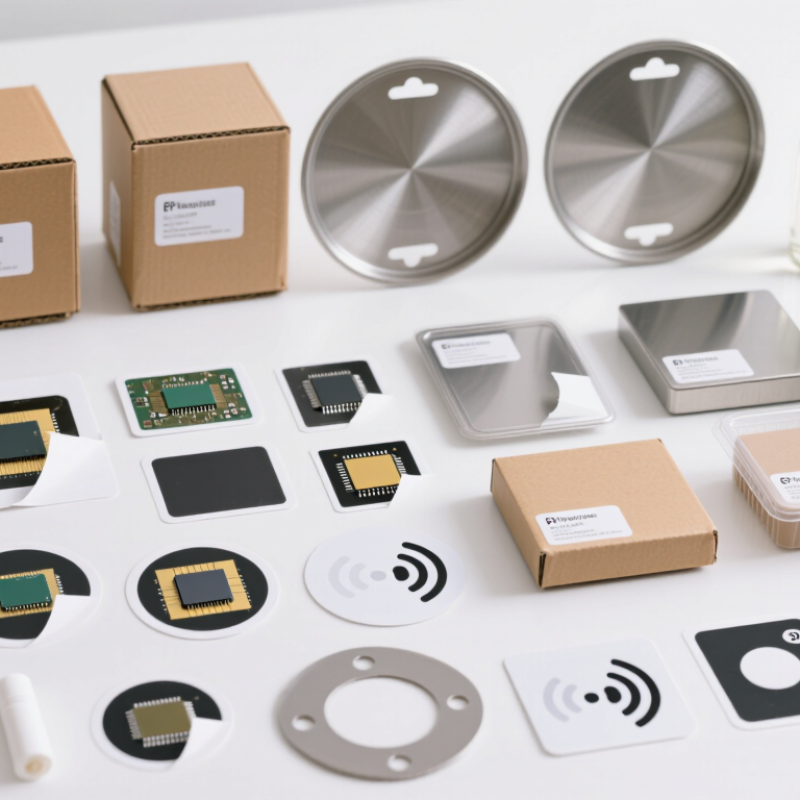
RFID stickers are thin labels that store an electronic identity for each inventory item. A typical sticker combines a chip, antenna, and adhesive backing. Passive UHF stickers receive power from a reader and return their stored identifier. They do not need batteries. During receiving, workers can scan several cartons without opening every box. This reduces manual counting and creates a clearer movement record.
Material selection matters more than appearance. Paper-faced stickers suit ordinary cartons and plastic bins. Metal surfaces can weaken radio signals, while liquids may reduce reading performance. Specialized inlay designs can help, but testing remains necessary.
In practice, I would place sample stickers on real packages before ordering large quantities. Read distance is not fixed. It changes with reader power, package direction, storage density, and nearby equipment. A reliable setup also connects each tag number with product codes, locations, and transaction times.
Tips: Test tags on full cartons, not empty samples. Keep a small batch for replacement. Check adhesive strength after temperature changes. Record failed reads honestly; they often reveal poor placement or crowded storage. RFID is useful, but it is not magic. A simple barcode backup may still prevent delays when a tag is damaged or unreadable. Encoding rules, access controls, and regular data audits help keep inventory records accurate. Even experienced teams should review the process after the first month.
High-quality RFID inventory stickers begin with reliable identification. Each sticker should carry a unique encoded number and remain readable during routine scanning. Clear printing also helps workers confirm item details without opening boxes. Useful stickers support both RFID readers and visible barcodes.
Material selection matters in real warehouses. Strong adhesive should hold on cardboard, plastic, glass, and coated surfaces. A durable face layer resists dust, light moisture, and frequent handling. For metal shelves or liquid containers, specialized inlays may improve performance. Readability can change with placement.
Quality control should test encoding, print contrast, adhesion, and read distance before shipment. Suppliers should provide sample testing under the customer’s actual conditions. A sticker that performs well on a desk may fail beside metal racks. No sticker is perfect. I would test several label sizes, because convenience can hide weak scanning results. Consistent batch records, traceable materials, and documented inspection procedures also build trust. A practical supplier should explain limitations clearly, rather than promise identical performance everywhere.
| RFID Sticker Type | Operating Frequency | Air Interface Standard | Typical Read Range | User Memory | Recommended Surface | Adhesive Type | Operating Temperature | Typical Inventory Application |
|---|---|---|---|---|---|---|---|---|
| General-Purpose UHF Inventory Sticker | 860–960 MHz | EPCglobal Class 1 Gen 2 / ISO 18000-63 | Up to 8 m in open conditions | Up to 128 bits | Cardboard, plastic, wood | Permanent acrylic adhesive | −20°C to +70°C | Warehouse cartons and packaged goods |
| Long-Read-Range Logistics Sticker | 860–960 MHz | EPCglobal Class 1 Gen 2 / ISO 18000-63 | Up to 12 m with suitable readers | Up to 128 bits | Corrugated boxes, pallets, plastic containers | High-tack industrial adhesive | −30°C to +85°C | Outbound shipments and pallet tracking |
| On-Metal RFID Inventory Sticker | 860–960 MHz | EPCglobal Class 1 Gen 2 / ISO 18000-63 | Up to 5 m on compatible metal surfaces | Up to 128 bits | Steel, aluminum, machinery, tools | Permanent adhesive with isolation layer | −40°C to +85°C | Equipment, tool, and machine-part tracking |
| High-Durability Industrial Sticker | 860–960 MHz | EPCglobal Class 1 Gen 2 / ISO 18000-63 | Up to 6 m in typical industrial conditions | Up to 128 bits | Plastic bins, coated metal, industrial containers | Chemical-resistant acrylic adhesive | −40°C to +100°C | Manufacturing work-in-process inventory |
| Small-Format Retail Inventory Sticker | 860–960 MHz | EPCglobal Class 1 Gen 2 / ISO 18000-63 | Up to 4 m in open conditions | Up to 128 bits | Garments, packaging, plastic products | Permanent paper-label adhesive | −10°C to +60°C | Retail stock counts and item-level visibility |
| Tamper-Evident RFID Sticker | 860–960 MHz | EPCglobal Class 1 Gen 2 / ISO 18000-63 | Up to 6 m in open conditions | Up to 128 bits | Boxes, cases, sealed containers | Destructible or split-layer adhesive | −20°C to +70°C | Asset security and unauthorized-opening detection |
| Printable RFID Inventory Label | 860–960 MHz | EPCglobal Class 1 Gen 2 / ISO 18000-63 | Up to 8 m in open conditions | Up to 128 bits | Paperboard, plastic, wood | Permanent adhesive compatible with thermal printing | −20°C to +70°C | Barcode and RFID-based stock identification |
Note: Read ranges are typical planning values and vary according to reader power, antenna design, tag orientation, installation environment, and the material carrying the sticker.
China Best RFID Stickers for Inventory Suppliers
Selecting an RFID sticker supplier in China requires more than comparing prices. Start by checking manufacturing experience, product specifications, and quality controls. Ask how the supplier tests read distance, memory performance, adhesive strength, and print accuracy. Request samples for your actual cartons, shelves, or metal containers. A sticker that performs well on a desk may fail on curved or metallic surfaces.
Review test reports, material details, and production records carefully. Reliable suppliers should explain their RFID chip options, antenna materials, operating frequency, and encoding process clearly. Confirm whether they can maintain consistent performance across large batches. Inspect a sample shipment for uneven printing, weak adhesive, or damaged inlays. These small defects can create scanning gaps during busy warehouse operations. A polished sample can still hide production weaknesses. That is an uncomfortable point, but it deserves attention. Do not depend only on online photographs or sales promises.
Tips: Compare at least three suppliers. Use the same test method for each sample. Measure reading performance at different angles and distances. Ask for a pilot order before signing a large contract. Confirm packaging, lead times, inspection procedures, and after-sales communication in writing. Also check whether the supplier follows applicable safety, environmental, and data requirements for your destination market. Good documentation builds trust, though it does not replace physical testing.
A practical supplier evaluation should prioritize application performance, material quality, production consistency, compliance, and total purchasing cost. The weighting below is a procurement reference for comparing RFID sticker suppliers without relying on brand names.
Use these criteria together with sample testing, antenna and chip specifications, adhesive compatibility, EPC encoding requirements, ISO or EPCglobal compliance documents, quality inspection records, minimum order quantity, lead time, and after-sales support.
RFID sticker performance starts with the material. Paper labels suit dry cartons and short-term warehouse use. Synthetic films resist moisture, abrasion, and curved surfaces better. For metal shelves, tools, or equipment, use an on-metal inlay with a tuned spacer. It costs more, but ordinary labels may lose reading distance. Market research reports estimate the global RFID market will grow from about USD 14 billion in 2023 to over USD 30 billion by 2030. That growth reflects practical demand for faster inventory checks, not magic. Tag quality still depends on placement, reader settings, and carton density.
Encoding should match the workflow. EPC memory usually stores the item identity, while user memory can hold limited service data. Encode serial numbers during production, then verify every batch with a fixed reader. Industry testing reports often show read accuracy above 95% in controlled deployments, but crowded metal racks can reduce performance. Small mistakes happen.
Tips: Test three materials on real cartons. Print a quiet zone around the code. Avoid folding the antenna. Request sample encoding before mass production. A supplier should provide chip details, memory capacity, adhesive options, print samples, and inspection records. Custom shapes and colors are possible, yet visual design must never hide the barcode or weaken antenna placement. Some early samples look perfect but fail after cold storage. That lesson is easy to miss.
Ordering RFID stickers from China requires clear specifications, not attractive samples alone. Define the chip type, memory capacity, adhesive strength, sticker size, printing method, and expected reading distance. Request samples before placing a large order. Test them on metal, plastic, cardboard, and curved cartons. Results can change with surface material and warehouse temperature.
Quality control should begin before production. Ask the supplier to confirm the encoded data format and inspection standard in writing. Check the first production sample against the approved reference. During manufacturing, inspect print contrast, antenna alignment, adhesive coverage, and label dimensions. Randomly test read performance from different angles. Record failed tags, batch numbers, and test conditions. Small details matter.
Packaging needs attention too. Rolls should remain dry, clean, and protected from crushing. Carton labels should match the purchase order and production batch. A third-party inspection can add useful evidence, but it cannot replace your own testing.
We once accepted a sample that performed well, yet the finished labels showed weaker reads on curved boxes. That mistake changed our process. Samples are not proof of consistent production. Build acceptance limits, retain records, and allow time for corrective action before shipment.
Phone: (256) 845-1255 or (256) 845-4493
Fax: (256) 845-1321 or (256) 845-4468
© 2025 Heritage Wire Harness, LLC