Discover the Best Mini Valves from China for Your Needs?
In recent years, Mini valves have gained significant attention in various industries, including manufacturing, automotive, and HVAC sectors. According to a report by ResearchAndMarkets, the global mini valve market was valued at approximately $2.5 billion in 2022 and is projected to grow at a CAGR of 6% through 2030. This growth is largely driven by the increasing demand for compact, efficient solutions in fluid control systems.
Mini valves offer unique advantages, such as space-saving designs and enhanced precision in flow regulation. However, selecting the best mini valves from China requires careful consideration of quality and certifications. Many manufacturers in China stand out due to their advanced technology and cost-effective production methods. Yet, challenges like inconsistent quality and varying standards exist. It is crucial for buyers to conduct thorough research and vet suppliers before making a decision.
The evolving landscape of mini valves reflects a shift towards innovation and sustainability. As industries adopt smart technologies, the need for reliable mini valves will only intensify. Understanding market trends and expert insights can help in making informed choices for your specific needs.
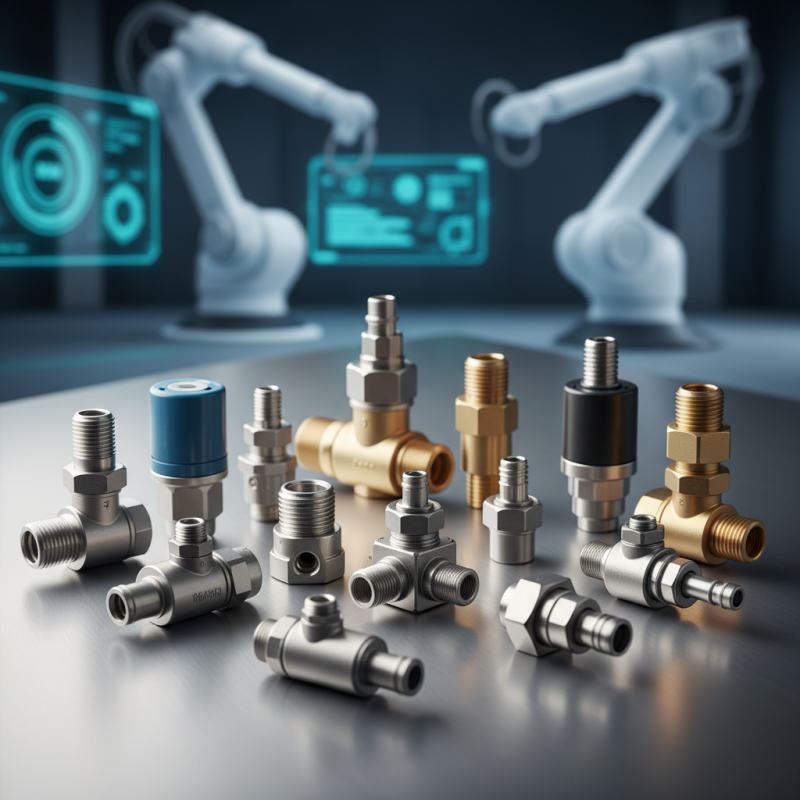
Understanding Mini Valves: Types and Applications
Mini valves are essential components in various industries. They are small yet powerful devices that control fluid flow. Understanding their types and applications can help in selecting the right one for specific needs.
There are several types of mini valves, including ball, gate, and butterfly valves. Ball valves are known for their durability and tight sealing. They are ideal for quick shut-off applications. Gate valves, on the other hand, allow for smoother fluid movement. They are often used in pipelines where minimal pressure drop is crucial. Butterfly valves are space-efficient and lightweight. They are perfect for situations where weight and size matter.
Selecting the right mini valve requires careful consideration of your application. Factors such as pressure, temperature, and the type of fluid play a significant role. Some options may seem appealing but may not fit specific needs. It is essential to research and evaluate before making a choice. This process can be time-consuming but is vital for optimal performance.
Key Features to Consider When Choosing Mini Valves
When selecting mini valves, specific features greatly impact performance. One key aspect is material composition. Valves made from brass or stainless steel often offer better durability. According to industry data, brass valves can exceed a lifespan of 50,000 cycles under normal conditions. Users should consider the type of fluid and environmental factors. For instance, corrosive materials may require specialized coatings for protection.
Another crucial feature is the valve's size and flow capacity. Mini valves come in various dimensions to accommodate different systems. A proper match prevents flow restrictions. Research shows that an appropriate valve sizing can improve system efficiency by 25%. Users often overlook how connection types affect installation. Threaded or quick-connect options can simplify the setup process, reducing installation times significantly.
Additionally, pressure ratings are fundamental. Many mini valves are rated for low to medium pressure applications. However, in high-pressure settings, selecting the correct valve becomes vital. Inappropriate choices may lead to failures. Data suggests that nearly 15% of valve failures stem from incorrect pressure ratings. Understanding these features helps ensure longevity and reliable performance.
Discover the Best Mini Valves from China for Your Needs - Key Features to Consider When Choosing Mini Valves
| Valve Type | Material | Pressure Rating (bar) | Temperature Range (°C) | Connection Type | Applications |
| Ball Valve | Brass | 16 | -20 to 120 | Threaded | Water, Oil |
| Solenoid Valve | PVC | 10 | -5 to 70 | Barbed | Pneumatics, HVAC |
| Gate Valve | Stainless Steel | 20 | -50 to 150 | Flanged | Oil, Gas |
| Check Valve | Aluminum | 15 | 0 to 100 | Welded | Water, Slurries |
| Pressure Relief Valve | Bronze | 25 | -10 to 80 | Threaded | Hydraulic Systems |
Top Manufacturers of Mini Valves in China
When seeking mini valves, understanding the top manufacturers in China is crucial. The mini valve market in China continues to grow. According to a recent industry report, the market is expected to reach USD 1.5 billion by 2025. This growth reflects increased demand across various sectors, including automotive, aerospace, and medical.
Several manufacturers stand out as leaders in this space. Their expertise spans decades, focusing on innovative designs and reliable performance. For example, production facilities often adhere to strict ISO standards, enhancing quality assurance. However, selecting a manufacturer can be daunting. Buyers must evaluate reliability and responsiveness. According to feedback, some suppliers may experience delays or inconsistent communication.
Additionally, customization options can vary widely. Some manufacturers offer tailored solutions but may charge significantly higher prices. It’s essential to weigh these factors against your project needs. Balancing cost, quality, and service can be challenging. Understanding industry trends and supplier capabilities becomes vital for making informed decisions. Conduct thorough research and consider recommendations to find the best mini valves that suit your operational requirements.
Comparison of Mini Valves: Price, Quality and Performance
When evaluating mini valves, price, quality, and performance are crucial factors. Industry reports indicate that price variations can be significant. A study from the Global Valves Market suggests that mini valves range from $5 to $50 per unit, depending on material and design complexity. This price range directly reflects the quality and durability of the valves, with premium options lasting longer and requiring fewer repairs.
Quality assessments show that the material used in mini valves greatly affects performance. Valves made from stainless steel demonstrate higher resistance to corrosion and wear compared to plastic alternatives. According to a technical report by the International Association of Plumbing and Mechanical Officials, stainless steel valves have a lifespan that can exceed 20 years, while plastic often lasts around 5 to 10 years. These statistics highlight the importance of selecting the right material for specific applications.
Performance metrics are equally essential. Mini valves need to function efficiently under various pressures and temperatures. Research indicates that valves rated for higher pressure ratings often experience better performance in demanding conditions. However, this can lead to higher costs. Buyers should weigh their immediate budget against long-term performance needs, recognizing that cheaper options may not always yield the best return on investment. Finding the right balance is a continuous learning process for many.
How to Properly Install and Maintain Mini Valves
Proper installation of mini valves is crucial for optimal performance. Begin by inspecting the valve and its components. Ensure all parts are clean and free from debris. A dirty valve can lead to leaks and malfunctions. Use appropriate tools during installation. Tightening too much can damage threads, while too little may cause leaks.
Check the connections after installation. Ensure there are no visible leaks. Testing the valve in different conditions can reveal hidden issues. If it doesn't perform as expected, revisit your installation process. Sometimes, small adjustments can make a big difference. Take notes on your installation steps for future reference. Document any challenges faced, as this can inform corrective measures later on.
Regular maintenance is equally important. Schedule checks to ensure valves are functioning properly. Inspect for wear and tear. Sometimes, lubricating the valve can enhance its longevity. Pay attention to unusual sounds or leaks. Addressing issues early can save you from costly repairs. Reflecting on past maintenance efforts can help improve future practices.