Best Metal Casting Furnace for Efficient Production Solutions?
In the rapidly evolving metal casting industry, the choice of a suitable Metal Casting Furnace significantly impacts production efficiency. Tom Anderson, a renowned expert with over two decades in the field, emphasizes, “The right furnace can make or break a production line.” Metal Casting Furnaces are not just tools; they’re crucial to maximizing output and maintaining quality.
The selection process can be daunting. Each furnace type offers unique advantages and challenges. For instance, induction furnaces provide energy efficiency but may require higher upfront costs. Meanwhile, electric arc furnaces offer flexibility in alloy production. Understanding these nuances is vital for making informed decisions.
Investing in the best Metal Casting Furnace is not solely about the initial cost. It involves considering long-term operational efficiency and maintenance needs. Even seasoned professionals often find themselves navigating complexities in furnace operation. Reflecting on these aspects can lead to better choices and improved production outcomes.
Introduction to Metal Casting Furnaces and Their Importance
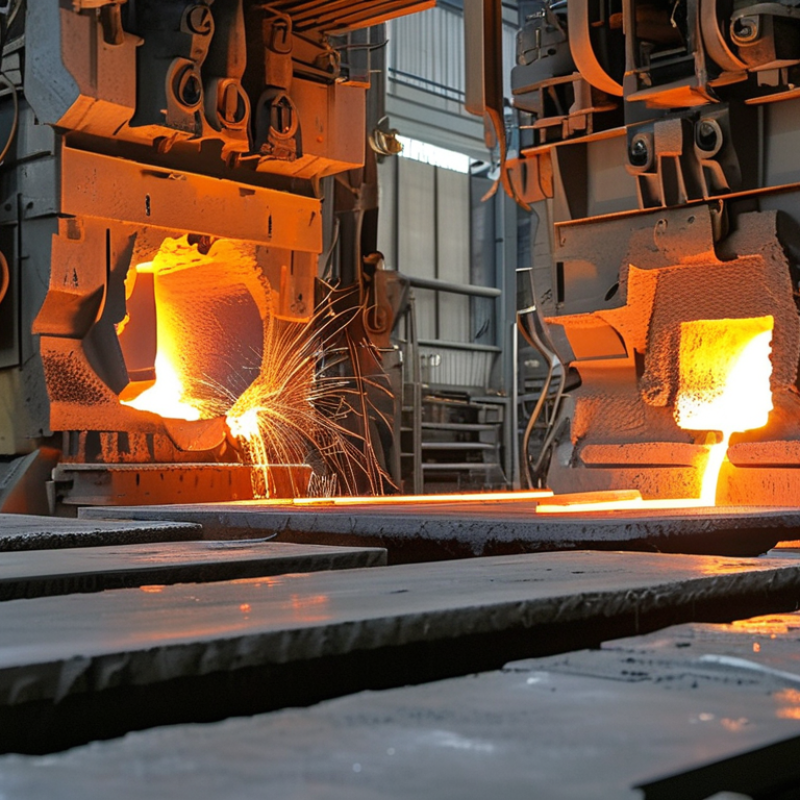
Metal casting furnaces play a critical role in manufacturing and production efficiency. With the global metal casting market expected to grow at a CAGR of 4.5% through 2027, the need for effective furnaces has never been more pronounced. According to a recent industry report, approximately 70% of metal production costs are attributed to energy consumption; thus, investing in efficient furnaces can economically benefit manufacturers.
Choosing the right furnace type can significantly impact production timelines. Traditional furnaces can take several hours to reach optimal temperatures. In contrast, modern induction furnaces can achieve these temperatures in less than one hour. This reduction in heating time can streamline production. Additionally, the recycling rate of metals in these furnaces can be as high as 90%. However, some manufacturers still rely on outdated equipment, which can lead to increased waste and higher operational costs.
Environmental concerns around metal casting also shape furnace design. As regulations tighten, many industries are exploring eco-friendly alternatives. Reports indicate that using biofuels can reduce CO2 emissions by up to 50% in combustion furnaces compared to traditional fossil fuels. Despite these advancements, some businesses struggle to transition, often due to lack of funding or expertise, highlighting the importance of evaluating both current capabilities and future needs.
Types of Metal Casting Furnaces: Overview and Comparison
Metal casting is an essential method in manufacturing. Choosing the right furnace can significantly impact production efficiency. Different types of furnaces cater to various metal types and casting methods. Induction furnaces are popular for their precise temperature control. They provide a clean melting process, reducing oxidation risks. However, they can be costly to set up.
Another common type is the cupola furnace. It is known for high throughput and low operational costs. This furnace uses layers of metal and coke. Despite its efficiency, it may produce more emissions. This raises environmental concerns, prompting a need for cleaner alternatives. Proper ventilation and filtration systems are crucial for minimizing emissions in these setups.
Electric arc furnaces are versatile and can melt various metals. Their energy efficiency is notable, yet they require significant upfront investment. Additionally, the maintenance of these systems can be demanding. Operators need specialized training to handle electrical components safely. Understanding the specific requirements of each furnace type is vital. Evaluating costs, efficiency, and environmental impact is essential for effective metal casting solutions.
Best Metal Casting Furnace for Efficient Production Solutions
| Furnace Type | Material Suitability | Fuel Type | Efficiency (%) | Temperature Range (°C) | Typical Applications |
| Induction Furnace | Aluminum, Steel, Copper | Electric | 85-95 | 600-1800 | General Casting, Recycling |
| Arc Furnace | Steel, Ferrous | Electric | 70-90 | 1000-2000 | Steel Production, Alloying |
| Crucible Furnace | Aluminum, Bronze | Gas, Electric | 60-85 | 700-1300 | Small Batch Casting |
| Cupola Furnace | Cast Iron | Coke, Charcoal | 60-80 | 1200-1500 | Large Scale Iron Casting |
| Electric Resistance Furnace | Non-Ferrous, Steel | Electric | 75-90 | 800-1200 | Heat Treatment, Melting |
Key Features to Consider When Choosing a Metal Casting Furnace
Choosing a metal casting furnace involves careful consideration of several key features. The furnace's melting capacity is crucial. Data shows that furnaces with a capacity of 100 kg or more can efficiently meet the needs of medium to large production runs. This can significantly reduce downtime during recurring jobs.
The heating method also matters greatly. Electric furnaces are popular for their energy efficiency and consistent heat. In contrast, gas-powered units can reach higher temperatures more quickly. A recent survey indicated that 70% of casting professionals prefer electric options due to operational costs. However, gas units may be necessary for specific alloys that require intense heat.
Safety features cannot be overlooked. A robust safety system with automatic shut-off controls ensures a controlled environment. Nonetheless, many facilities report occasional lapses in training that can lead to accidents. Regular maintenance needs attention too. Ignoring these aspects may result in unexpected costs and serious mishaps. Investing in a furnace requires a balance of capacity, energy source, and safety systems. Selecting the right one contributes significantly to production efficiency but warrants ongoing evaluation and adjustment in operational protocols.
Best Practices for Efficient Metal Casting Production
Efficient metal casting production hinges on several best practices. A comprehensive report by the American Foundry Society highlights that optimizing furnace efficiency can lead to a 20% reduction in energy consumption. This keyword is crucial as energy costs are a significant factor in production budgets. Operators should regularly tune and maintain furnaces to ensure steady temperatures and optimal fuel usage.
Moreover, adopting advanced metallurgy techniques can improve the casting quality. Research indicates that the right alloys can result in stronger, more durable products. For instance, using high-purity materials can reduce defects, which often lead to costly rework. This shift in mindset requires ongoing training for the workforce, emphasizing the need for expertise in material selection.
It's also essential to evaluate pouring techniques. Studies show that inconsistent pouring can introduce air pockets, leading to material weaknesses. A small adjustment in technique can prevent these defects and enhance the overall integrity of cast products. Reflection on past mistakes can often lead to innovative solutions, ultimately improving production efficiency.
Maintenance Tips for Longevity and Performance of Furnaces
Maintaining a metal casting furnace is crucial for its longevity and performance. A well-maintained furnace can operate at peak efficiency, reducing production costs. According to industry data, nearly 30% of furnace failures are linked to inadequate maintenance. Regular inspections can prevent costly downtimes. Monitoring temperature fluctuations and wear on insulation should be routine.
Proper cleaning is essential. Accumulated debris can lead to thermal inefficiencies. Keep burners and ducting clear to ensure optimal airflow. Some experts recommend a cleaning schedule every two weeks to maintain performance levels. Over time, even minor neglect can add up to significant operational losses.
Oil and lubricate moving parts frequently. This simple step decreases wear and tear. Shockingly, many facilities overlook this, which can become a critical issue in high-volume production. Regular maintenance logs help identify patterns and predict potential failures. By embracing a proactive approach, facilities can extend the working life of their furnaces significantly.