Best Armored Fiber Optic Cable at China Import Export Fair?
The demand for Armored Fiber Optic Cable has surged in recent years, driven by advancements in technology and the need for robust communication solutions. As highlighted in the latest industry report by Technavio, the market for armored fiber optic cables is expected to grow at a compound annual growth rate (CAGR) of 10% through 2025. Industry expert Dr. Alice Chen stated, “The durability and flexibility of armored cables are redefining fiber optic solutions.” This underlines the importance of selecting the right type of fiber cable for challenging environments.
At the upcoming 139th China Import Export Fair, scheduled from April 15 to May 5, 2026, attendees will witness innovations in armored fiber optic cables. This event spans multiple industries, including advanced manufacturing and electronics. The fair's AI-driven features will enhance the procurement experience, helping buyers identify suppliers with critical certifications like ISO and CE.
However, there remains a gap between demand and market readiness. Many manufacturers may offer products that lack necessary certifications. Attendees must remain vigilant and informed. This is essential in a rapidly evolving marketplace, where effective communication infrastructure is paramount. The proper selection of armored fiber optic cables can lead to significant advancements in connectivity and reliability.
Overview of Armored Fiber Optic Cables
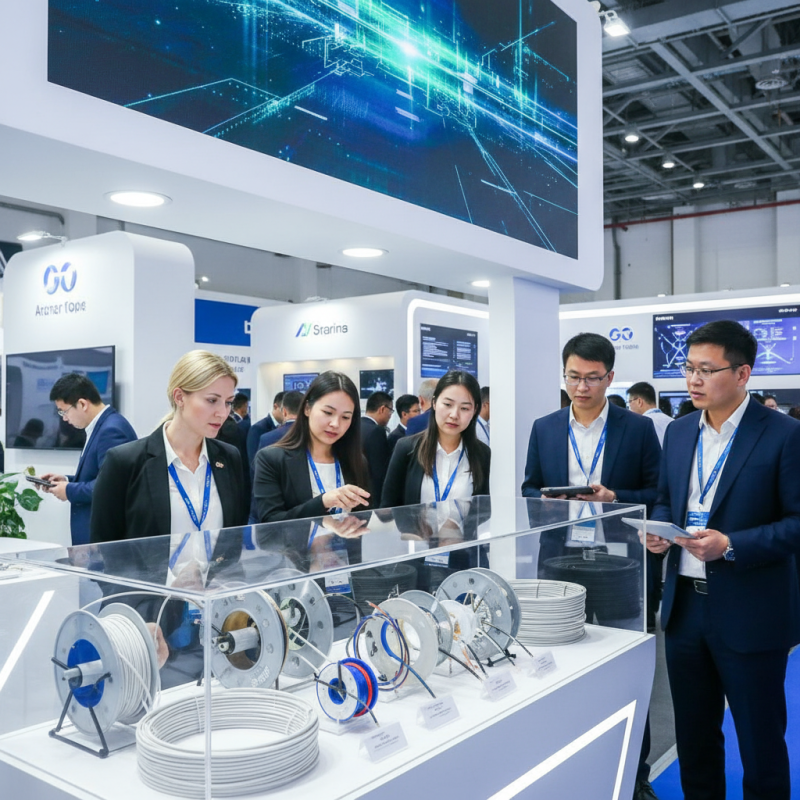
Armored fiber optic cables offer exceptional durability and protection. These cables are designed for both indoor and outdoor use. They feature a tough exterior that can withstand harsh environments. The armor protects the delicate fibers from moisture, chemicals, and physical damage. This is particularly useful in industrial and construction sites.
At the China Import Export Fair, visitors can explore various armored fiber optic cable options. Each type has unique features suitable for different applications. Some cables have additional layers for enhanced protection. Others might focus on flexibility or lightweight design. It's essential to consider the specific needs of your installation. What works for one environment may not suit another.
The demand for armored cables continues to grow. However, not all cables are created equal. Some may look sturdy but fail under pressure. It's crucial to evaluate quality and performance. Think about your long-term requirements. Investing in the right cables can prevent costly disruptions. The balance between price and reliability often needs careful thought.
Best Armored Fiber Optic Cable at China Import Export Fair? - Overview of Armored Fiber Optic Cables
| Cable Type | Core Count | Length (meters) | Armoring Material | Temperature Range (°C) | Water Resistance |
| Single Mode | 12 | 1000 | Steel | -40 to +70 | Yes |
| Multi-Mode | 24 | 2000 | Aluminum | -20 to +60 | Yes |
| Armored Tape | 48 | 1500 | Steel | -40 to +85 | Yes |
| Loose Tube | 36 | 1200 | Aluminum | -30 to +70 | No |
Key Features of High-Quality Armored Fiber Optic Cables
Armored fiber optic cables are vital for many applications. Their construction provides extra protection against environmental hazards. These cables have a robust outer layer that resists physical damage. This feature is essential in industrial settings where cables face harsh conditions.
High-quality armored cables often include a moisture barrier. This barrier helps prevent water damage, which can lead to signal loss. Additionally, these cables may have a UV-resistant coating. This coating protects against sun damage over time. The inner fibers are designed for high-speed data transmission, ensuring efficient communication.
It's crucial to check the cable's installation guidelines. A poorly installed cable can negate its protective benefits. Users should also evaluate their specific needs before choosing a cable type. Not all armored cables are suitable for every application. Reflecting on these details ensures better performance and longevity.
Best Armored Fiber Optic Cable at China Import Export Fair
This chart displays key features of high-quality armored fiber optic cables, including their price per meter, durability, flexibility, water resistance, and weight. These metrics are essential when evaluating fiber optic cables for import or export.
Factors to Consider When Choosing Armored Fiber Optic Cables
Choosing the right armored fiber optic cable is crucial for various applications. Several factors should guide your decision-making process. First, consider the cable's environment. Will it be underground or above ground? Different installations require specific armor types. The cable must withstand harsh conditions like moisture, extreme temperatures, or physical damage.
Next, look into the cable's specifications. Cable diameter and fiber count can influence performance. Higher fiber counts might indicate better capacity but can also complicate installation. Think about future needs. Will your network expand? A cable that serves now might not meet future demands.
Don't overlook installation requirements. Some cables simply don’t fit well into tight spaces. This could lead to poor performance. Reflect on the maintenance needs too. Not all armored cables are easy to access. You might face challenges if repairs or upgrades are necessary later. Making an informed choice means considering all these factors carefully.
Popular Brands Exhibiting at China Import Export Fair
The China Import and Export Fair is a pivotal event for the telecommunications industry. Many exhibitors showcase innovative armored fiber optic cables. These cables are essential for improving network reliability and performance. Recent industry reports state that armored fiber optic cables have grown in popularity. The demand surged by 15% last year alone.
Among the key features of these cables are their protective layers. They are designed to withstand harsh environmental conditions. Analysts estimate that 40% of network failures occur due to external damage. Therefore, the reinforced structure can significantly reduce such risks. However, quality variations among manufacturers can pose challenges. Not all armored cables meet the necessary standards, leading to potential network issues.
Networking professionals often face tough decisions when selecting cables. Some may prioritize cost over quality. This approach can be risky in the long term. Market research reveals that investing in high-quality cables leads to fewer maintenance costs. Yet, many companies struggle to balance budget constraints with reliability needs. The ongoing innovations in this sector may help address these challenges.
Market Trends and Innovations in Armored Fiber Optic Technology
The armored fiber optic cable market is evolving rapidly. Recent reports indicate a rise in demand due to increased internet usage and the need for high-speed data transmission. By 2026, the market is expected to grow at a CAGR of approximately 9%. This growth is driven by the expansion of data centers and smart city initiatives.
Innovations in armored fiber optics include enhanced durability and resistance to harsh environments. These cables are designed to withstand extreme conditions. Some manufacturers are experimenting with new materials to improve flexibility without compromising strength. Statistics show that around 25% of installations face challenges with traditional cables.
Tips: Consider the environment where the cable will be installed. Understand the specific requirements for durability. Evaluate your options based on performance and cost. Balancing quality and budget can be difficult but essential. The future of armored fiber optics looks promising, but challenges remain in achieving optimal solutions for all scenarios.