Best Electric Forklift Battery Options for Global Buyers?
Finding the right Electric Forklift Battery can be daunting for global buyers. With numerous options available, selecting one can feel overwhelming. Factors like performance, lifespan, and compatibility are crucial in making the right choice.
Many buyers struggle to understand the specifications of various batteries. The market is filled with brands, each claiming to offer the best electric forklift solutions. However, not all products live up to their promises. It's essential to analyze performance ratings and customer reviews. Some batteries may excel in certain environments but fall short in others. This knowledge can save time and resources.
Investing in a reliable electric forklift battery is vital for warehouse efficiency. Buyers should weigh their options carefully. Exploring lesser-known brands can sometimes yield better results. The right choice can enhance productivity and reduce operational costs. However, resting on assumptions about battery performance can lead to expensive mistakes. Awareness of the potential pitfalls can guide buyers towards smarter decisions.
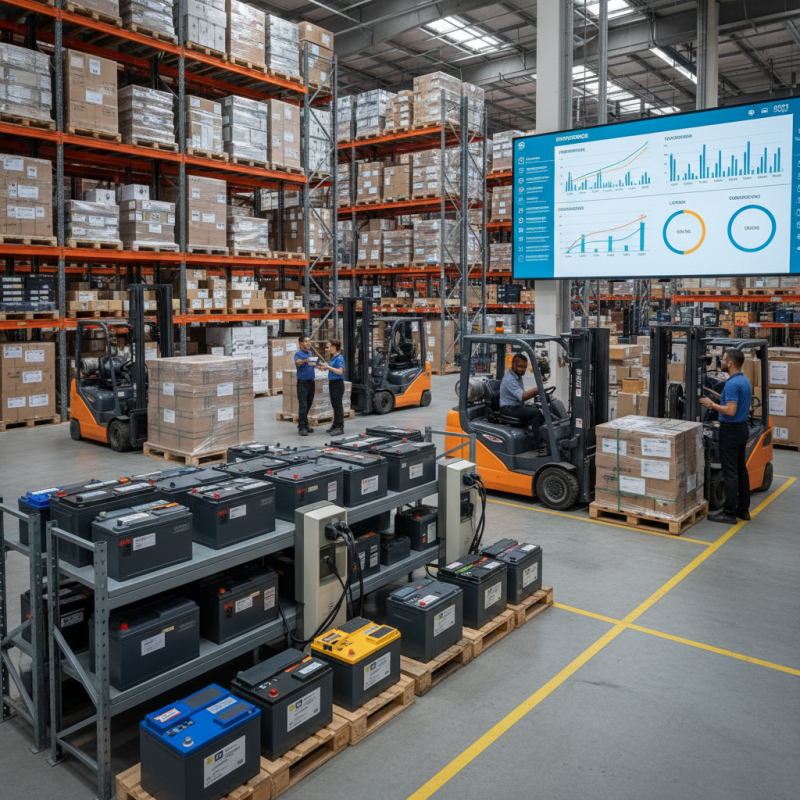
Best Electric Forklift Battery Types and Their Applications
Electric forklifts have become essential in many industries. The choice of battery type significantly affects performance and efficiency. The three main types are lead-acid, lithium-ion, and gel batteries.
Lead-acid batteries are common due to their cost-effectiveness. They are reliable for moderate-duty cycles but require regular maintenance. Their weight can impact maneuverability. Lithium-ion batteries, on the other hand, offer quicker charging times and longer lifespans. They fit well in high-demand environments. However, the initial investment is higher. Gel batteries provide a safer alternative, as they are less prone to leakage. Their performance in temperature extremes is worth considering for businesses operating in varied climates.
Each battery type has its own benefits and drawbacks. Analyzing your specific operational needs is crucial. Consider factors like run time, charging speed, and environmental conditions. This reflective process will help you choose the most suitable forklift battery for your operation.
Comparing Lead-Acid vs. Lithium-Ion Forklift Batteries
When comparing lead-acid and lithium-ion forklift batteries, it’s vital to consider their unique characteristics. Lead-acid batteries have been around for years. They are cost-effective and reliable for many applications. However, they often require regular maintenance. This includes checking water levels and cleaning terminals. Their weight can also limit the handling capacity of some forklifts.
Lithium-ion batteries offer several advantages. They charge faster and provide longer runtime compared to lead-acid options. With a lifespan that often surpasses lead-acid batteries, they require less frequent replacements. However, they come with a higher upfront cost. Buyers may need to evaluate the total cost of ownership. Additionally, lithium-ion batteries perform well in varying temperatures, which could be a consideration for outdoor operations.
Both choices involve trade-offs. Lead-acid batteries are often preferred for budget-conscious businesses. They are familiar and well-documented but may not always keep up with the demands of modern logistics. Meanwhile, lithium-ion batteries promise innovation and efficiency but may bring challenges in terms of initial investment. This decision requires careful thought about your specific needs and operational environment.
Key Features to Consider When Choosing a Forklift Battery
When selecting the best electric forklift battery, several key features demand attention. Battery type is crucial; options include lead-acid and lithium-ion. Lithium-ion batteries tend to be lighter and provide a longer cycle life. They can operate efficiently for up to 3,500 cycles, compared to lead-acid batteries, which typically offer around 1,500 cycles. The choice often hinges on application needs and budget constraints.
Capacity and discharge rates are also important factors. A battery’s capacity, measured in amp-hours (Ah), dictates how long it can power a forklift before needing a recharge. For instance, a battery with a capacity of 600 Ah can support a full shift of work in most settings. Discharge rates influence performance. A high discharge rate can allow for rapid acceleration and lifting but may reduce battery life.
Lastly, charging times and maintenance requirements should be considered. Advanced options like fast-charging batteries can recharge in less than two hours. However, they may require more sophisticated charging infrastructure. Regular maintenance is vital for lead-acid batteries, including checks on water levels and specific gravity. Neglecting this can lead to reduced efficiency, and ultimately, increased operational costs.
Top Brands and Manufacturers of Electric Forklift Batteries
When considering electric forklift batteries, several top brands and manufacturers emerge as leaders in the industry. These companies are known for their commitment to quality and innovation. They offer a range of battery options tailored for various lifting capacities. Electric forklift batteries must provide reliable energy output. It’s crucial for operational efficiency.
The performance of a battery is influenced by its design and materials. High-quality batteries ensure longer duty cycles and reduce downtime. Some manufacturers emphasize sustainability by using eco-friendly materials. This approach not only benefits the environment but also appeals to companies focused on green practices. Detailed specifications often highlight the battery’s cycle life and recharge time. Buyers need to understand these factors before making a decision.
While many brands boast about their products, not all consumers have the same experience. Some users report performance issues after limited usage. Battery maintenance should also be considered. Regular checks can prevent costly downtime. Various manufacturers offer support to address these concerns, but the level of service may vary. Research and informed choices are essential for finding the best fit in this competitive market.
Maintenance Tips for Prolonging the Life of Forklift Batteries
When it comes to forklift batteries, maintenance is crucial for longevity and performance. Proper care can extend battery life significantly. One key tip is to keep batteries clean. Dirt and grime can cause connections to deteriorate. Regularly inspect and clean terminals with a soft brush. This small step can prevent many issues.
Another important practice is to check the water levels in your batteries frequently. Low water can damage the internal components. Ensure you use distilled water, and fill to the recommended levels. It’s a straightforward task that pays off in durability. Over time, neglecting this can result in costly repairs.
Charging protocols also matter. Avoid deep discharges as they can stress batteries. Instead, aim for partial discharges. This may seem counterintuitive, but it helps maintain battery health. Additionally, never leave a battery in a discharged state. These habits will ensure your forklift batteries perform efficiently for years.