
Blog

What Is the Best China Singing Bowl for Global Buyers?

Choosing the best China Singing Bowl for global buyers is not simply a price comparison. It requires careful attention to sound, craftsmanship, material, and supplier reliability. A beautiful bowl may produce a weak tone. A heavier bowl may not suit every meditation space.

Singing Bowl quality often begins with the metal and forming process. Buyers should ask whether the bowl is hand-hammered, machine-made, or produced through a mixed method. These details affect resonance, surface texture, weight, and consistency. A well-made bowl can create a deep, steady note that continues after the mallet stops. Listen closely. Small differences matter.

There is no single best model for every market. A yoga studio may prefer large bowls with long sustain, while private users may choose lighter pieces for easier handling. In practical sourcing, product samples, sound recordings, dimensional checks, and packaging tests provide stronger evidence than attractive catalog images. Supplier communication also matters. Clear answers about materials, sizes, tolerances, and replacement policies can reveal professional standards.

Still, judgment is imperfect. Sound preference remains personal, and recorded audio may not represent the real room experience. Buyers should compare several samples before placing a larger order. They should also review export documentation, safe packaging, labeling requirements, and applicable import rules in the destination country. Reliable decisions come from evidence, not claims. The best China Singing Bowl is the one that matches its intended use, performs consistently, and arrives safely for customers worldwide.
What Is the Best China Singing Bowl for Global Buyers?

Types of China Singing Bowls and Their Distinctive Features

What Is the Best China Singing Bowl for Global Buyers?

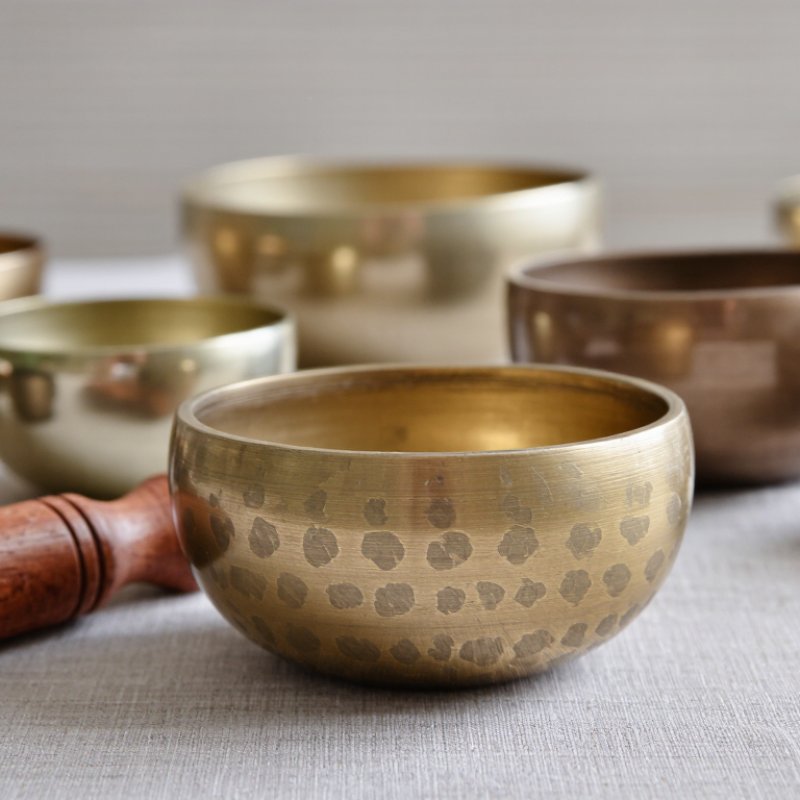
China-made singing bowls vary widely in material, construction, and sound. Hand-hammered metal bowls show small dents, uneven rims, and individual tonal character. These marks are not automatically defects. They can create warm overtones and a gently changing sustain. However, inconsistent hammering may produce unstable vibration, so buyers should request clear audio samples.

Machine-spun metal bowls usually have smoother walls and more consistent dimensions. Their tones are often brighter and easier to match across a shipment. They suit meditation studios, sound practitioners, and retailers needing repeatable stock.

Crystal bowls produce clear, high tones with strong projection, but they are more fragile during international transport. Ceramic bowls feel softer and more earthy, although their sound may vary greatly between pieces.

Size also shapes performance. A wide bowl can create a deeper fundamental tone, while a small bowl responds quickly to a light striker.

Do not judge quality from appearance alone. Ask about alloy details, rim thickness, tuning methods, packaging tests, and replacement procedures.

I have found that polished surfaces can look impressive but sometimes hide a thin wall. Audio recordings also mislead when room echoes are strong. A reliable supplier should provide measured dimensions, close-up photos, and realistic playing videos. Some variation remains normal, especially with handmade production. That is worth checking twice.

How to Evaluate Materials, Sound Quality, and Craftsmanship

For global buyers, the best Chinese singing bowl is not simply the largest or most ornate. It should offer reliable material, balanced sound, and workmanship that survives careful shipping. Ask the supplier what alloy is used, how the bowl is formed, and whether each piece is inspected. Many traditional bowls use copper-rich alloys, but composition can vary. Request a written specification. Also confirm whether the surface contains protective coatings, because coatings may influence tone and maintenance.

In my buying evaluations, I tap the rim lightly and listen from several angles. A clear fundamental tone should arrive quickly, while overtones remain layered rather than harsh. The note should not wobble as the vibration fades. Test it slowly. Recordings help, but they can hide room acoustics and microphone coloration. Ask for an unedited video, plus measurements of diameter, height, wall thickness, and weight. These details make comparisons more reliable.

Craftsmanship appears in the rim, base, symmetry, and hammer marks. Small imperfections are not automatically defects. Hand hammering may leave subtle marks, and those marks can add character. Yet deep dents, sharp edges, unstable bases, or a cracked rim deserve rejection. I have also rejected bowls that looked beautiful but sounded thin. My judgment is not infallible; personal hearing and room size affect preference. A credible workshop should answer technical questions clearly, provide consistent product photos, and explain packaging and replacement procedures. Export paperwork and protective packing matter as much as appearance.

What Is the Best China Singing Bowl for Global Buyers?

Reference comparison of materials, sound quality, and craftsmanship by bowl construction type

How to read this chart: Scores use a 100-point reference rubric. Material quality considers composition consistency and durability; sound quality considers sustain, pitch stability, and harmonic balance; craftsmanship considers rim symmetry, wall uniformity, surface finish, and tuning consistency. Hand-hammered bronze generally offers the richest variation in overtones, while cast bronze provides more consistent production. Fused quartz is known for clear resonance and long sustain. These are comparative evaluation benchmarks, not company or brand data.

Which China Singing Bowl Fits Different Buyers and Uses

What Is the Best China Singing Bowl for Global Buyers?

A China-made singing bowl should match the buyer’s setting, not only its appearance. Home meditators often prefer a 10–15 cm bowl with a clear, moderate sustain. It fits beside a cushion and remains easy to carry. Yoga teachers may need a larger 18–25 cm bowl, producing deeper tones across a wider room.

Sound matters more than decoration.

Professional sound practitioners should request consistent wall thickness, stable tuning, and a documented alloy composition. A hand-hammered bronze bowl can offer complex overtones, but its pitch may vary between pieces. That variation is sometimes attractive. It can also frustrate group sessions.

Healthcare and wellness professionals should describe sound as a relaxation aid, not a medical treatment. Current evidence does not justify stronger claims.

Global buyers should compare rim smoothness, striker quality, packaging, and breakage records. Export documents and material testing deserve attention, especially for markets with chemical-safety rules.

McKinsey’s 2024 Future of Wellness survey estimated wellness spending at more than 1.8 trillion dollars across major markets. The Global Wellness Institute reported a 5.6 trillion-dollar wellness economy in 2022. These figures show demand, not proof of singing-bowl effectiveness.

A collector may accept tonal irregularity, while a studio usually cannot. My practical preference is to test three samples before ordering in volume. Product photos rarely reveal harsh overtones. I have found this choice less objective than expected.

How to Verify Suppliers, Pricing, and Product Authenticity

What is the best China singing bowl for a global buyer? The answer begins with evidence, not a low quote. Ask each supplier for a registered business name, factory address, production photos, and recent export references. A live video call can reveal useful details: stacked bowls, hammering tools, packing areas, and actual staff. Request a sample before placing a larger order. Listen in a quiet room, inspect the rim, and record its diameter, weight, sustain, and visible marks.

Compare prices line by line. A serious quotation should separate bowl size, metal composition, handwork, engraving, packaging, inland transport, and shipping. Extremely cheap offers may omit testing or protective foam. Ask what happens when a bowl arrives cracked, warped, or tonally different from the sample. Put the inspection standard and replacement terms in writing. Payment milestones can reduce risk, but they do not replace independent quality checks. Numbers alone are weak evidence.

Authenticity needs careful wording. “Handmade” may describe only final tuning, not every production stage. Request material details, batch photographs, weight tolerances, and a dated sample video with one clear strike. If a supplier refuses basic documentation, pause. If every answer sounds perfect, pause again. Even a careful checklist can miss hidden changes between samples and mass orders. I would use pre-shipment inspection for valuable orders, while accepting that sound remains partly subjective. That honest limitation improves buying decisions.

What Global Buyers Should Know About Shipping and Import Rules

What Is the Best China Singing Bowl for Global Buyers?

Choosing the best Chinese singing bowl starts with sound, material, and export readiness. A bright brass tone may suit meditation rooms, while a deeper alloy tone fits larger spaces. Ask for diameter, weight, wall thickness, tuning notes, and a clear product description. In practical sourcing, these details prevent costly surprises.

Shipping needs equal attention. UNCTAD’s Review of Maritime Transport 2023 reports that over 80% of world trade by volume moves by sea. Sea freight is economical, but delays can affect seasonal sales. Confirm carton strength, inner cushioning, moisture protection, and carton markings before production.

Small bowls can rattle inside oversized boxes. That mistake is easy to miss. Request vibration-resistant packing and photographs before loading.

Import rules differ by destination. The buyer should verify the correct HS classification, duty rate, tax, labeling, and country-of-origin requirements with local customs authorities. Do not copy a generic code from a supplier’s invoice. Material and intended use can influence classification.

The World Customs Organization provides the Harmonized System framework, but local customs makes the final decision. ICC Incoterms 2020 defines 11 delivery rules, including responsibility for transport, insurance, and customs clearance. Specify the chosen term in writing.

Wooden pallets may also require ISPM 15 treatment. A complete commercial invoice, packing list, and transport document support smoother clearance. Yet paperwork alone cannot fix weak packaging or an unclear product description.

Go to Top