
Pallet Shuttle Systems have transformed warehouse operations by enhancing efficiency and storage capacity. These automated systems allow for high-density storage while optimizing space utilization. They facilitate the quick movement of pallets within racks, reducing the need for manual handling. This innovation minimizes labor costs and streamlines workflows, making it an attractive choice for various industries.
By adopting Pallet Shuttle Systems, companies can improve inventory management. The precise control over pallet movements lets businesses track stock levels accurately. Furthermore, this system enhances safety in the warehouse by reducing the risk of accidents associated with manual pallet handling. Operators can focus on more critical tasks, further boosting productivity.
However, while Pallet Shuttle Systems offer robust benefits, they require an initial financial investment and careful planning. Companies must assess their specific needs and operational requirements. It's crucial to analyze whether the long-term advantages outweigh the setup costs. This reflection ensures that organizations can fully harness the potential of Pallet Shuttle Systems.
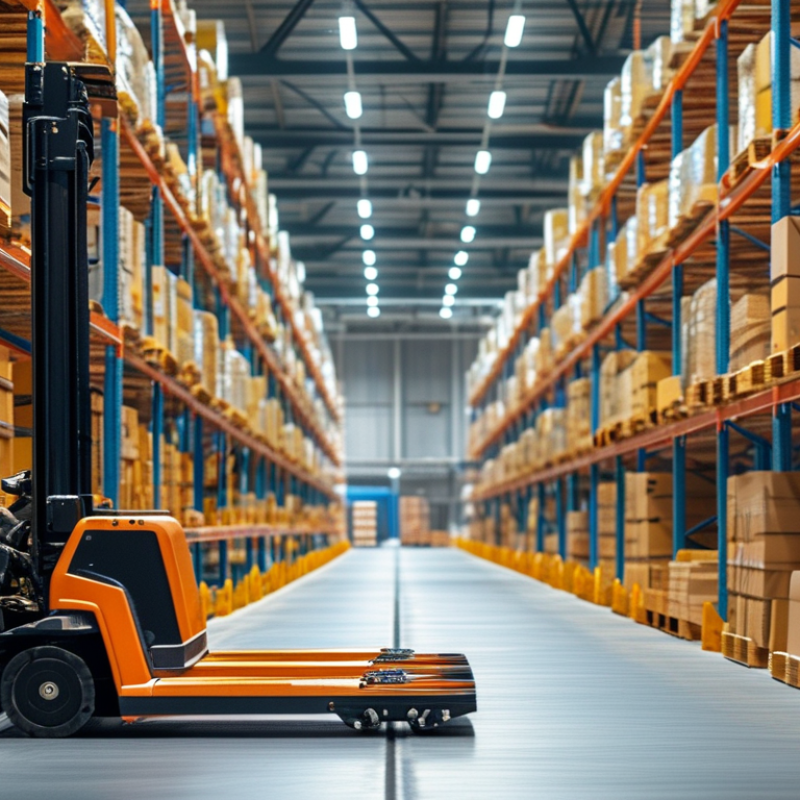
Pallet shuttle systems are revolutionizing modern warehousing. They enhance storage density, which is crucial in space-constrained environments. With a pallet shuttle, goods can be stored and retrieved efficiently. This saves valuable floor space and increases the overall capacity of the warehouse.
One of the key benefits is speed. These systems can move multiple pallets simultaneously. This means quicker order fulfillment, which is vital in today’s fast-paced market. However, it’s important to note that while they improve efficiency, they require initial setup costs and maintenance. Operators need proper training to handle the systems effectively.
Moreover, improved safety is another advantage. By automating the retrieval process, pallet shuttle systems reduce the risk of accidents caused by human error. Yet, periodic assessments are necessary to ensure safety standards are maintained. Balancing efficiency with safety protocols can be challenging but is essential for long-term success in warehousing.
Maximizing warehouse space is a challenge for many businesses. Pallet shuttle systems offer a solution. These systems enhance storage density by allowing goods to be stored in a compact, organized manner. They use a series of shuttles that move horizontally and vertically within the storage racks. This leads to more efficient use of available space.
By utilizing vertical storage, warehouses can stack pallets higher. This can significantly reduce the floor space required. Such savings can change how inventory is managed. However, it's important to consider the initial investment in these systems. The upfront costs might be high, and not all operations may see immediate returns. This leads to the need for careful assessment and planning before implementation.
Moreover, not every warehouse layout is suited for pallet shuttle systems. Some facilities may struggle with the equipment's integration. Spaces that are too narrow or uneven may face operational challenges. A thorough evaluation of the warehouse's structure is crucial before making changes. This reflection can prevent costly mistakes in the long run. Ultimately, improving storage density is key for efficiency, but it requires thoughtful decision-making.
| Benefit | Description | Impact on Storage Density |
|---|---|---|
| Maximized Vertical Space | Pallet shuttle systems allow for multi-tier configurations, utilizing vertical space effectively. | Increases capacity by up to 30% compared to traditional racking systems. |
| Improved FIFO and LIFO Handling | Facilitates first-in-first-out (FIFO) and last-in-first-out (LIFO) access to inventory. | Optimizes stock rotation, minimizes waste, and maximizes accessible storage volume. |
| Reduced Aisle Space | Requires fewer aisles due to shuttle technology that allows for closer pallet placement. | Increases storage area utilization by up to 40%. |
| Faster Inventory Access | Automatic retrieval and storage processes save time and labor. | Enhances throughput, effectively supporting higher storage volumes. |
| Flexibility in Storage Options | Adaptable to various pallet sizes and weights, accommodating diverse products. | Promotes efficient use of space for different inventory types. |
Pallet shuttle systems significantly improve operational efficiency in warehouses. According to a report by the Warehouse Management Institute, these systems can increase loading and unloading speeds by up to 30%. This speed boost translates into reduced labor costs and faster order processing. With the right automation, warehouses can manage inventory more effectively and reduce human errors.
The design of pallet shuttles allows for quick retrieval and storage of goods. Operators can load and unload pallets promptly, minimizing downtime. This efficiency is crucial in industries where time is money. For example, fresh food suppliers have reported an increase in throughput due to shuttles handling multiple pallets simultaneously, revealing a shift in operational dynamics.
While pallet shuttle systems enhance speed, they may require initial training for staff. Transitioning to this technology can seem daunting. It’s critical to balance automation benefits with workforce adaptability. Some companies might struggle with the upfront investment and necessary changes in processes. Yet, the long-term savings often outweigh these concerns. Embracing new technologies can be challenging but is essential for growth.
Pallet shuttle systems are revolutionizing warehouse operations. Automation reduces labor needs significantly. Reports indicate that companies can cut labor costs by up to 30% through these systems. This shift allows workers to focus on higher-value tasks, enhancing overall productivity.
While automation brings benefits, it also raises concerns. Workers may fear job displacement. A survey by the World Economic Forum highlighted that nearly 85 million jobs could be replaced by automation by 2025. However, this transition creates new roles, emphasizing the need for retraining and skill enhancement.
Investing in automated systems can streamline operations. Yet, it comes with challenges. Companies must assess their current workforce skills. Some existing employees may lack the technical know-how for new automated systems. Balancing technology and human labor will be crucial for sustainable growth.
Pallet shuttle systems have transformed inventory management by enhancing real-time tracking and accuracy. These systems automate the storage process, allowing devices to navigate through racks and retrieve or store pallets. In a survey by the Warehousing Education and Research Council (WERC), 74% of warehouses reported improved accuracy in inventory counts after implementing such systems.
Real-time tracking plays a crucial role in reducing errors. A study from the Logistic Management noted that businesses with advanced tracking systems experience 30% fewer discrepancies in their inventory. This accuracy reduces both overhead costs and product loss, significantly improving the bottom line. When managers know exactly what is in stock, they can make informed decisions more rapidly, reducing time spent on manual counts and paperwork.
However, it is vital to consider potential challenges. Implementing pallet shuttle systems requires upfront investment and training. In some cases, the integration with existing systems may not go smoothly. A survey reported that nearly 20% of companies faced challenges during the transition to automated systems. These hurdles require reflection and strategic planning. Many organizations find that a phased approach may lessen disruption while maximizing the long-term benefits of real-time inventory accuracy.
Pallet Shuttle Systems have emerged as a transformative solution in modern warehousing, offering numerous benefits that enhance overall operational efficiency. One of the main advantages is increased storage density, allowing warehouses to maximize space utilization significantly. This system optimizes the arrangement of goods, making it possible to store more items in a smaller footprint. Moreover, the speed of loading and unloading is greatly enhanced, which directly contributes to improved throughput.
In addition to space and time efficiencies, Pallet Shuttle Systems lead to reduced labor costs due to their automated nature, which lessens the reliance on manual labor. This shift not only streamlines operations but also enables better inventory management through real-time tracking and increased accuracy. Furthermore, these systems can lower energy consumption, resulting in cost savings and promoting sustainability. Overall, Pallet Shuttle Systems represent a valuable investment for any warehouse seeking to optimize its operations and improve performance.
Phone: (256) 845-1255 or (256) 845-4493
Fax: (256) 845-1321 or (256) 845-4468
© 2025 Heritage Wire Harness, LLC