2026 Top Power Press Machine Buying Guide for Global Buyers?
In the realm of manufacturing, the Power Press Machine stands as a cornerstone of efficiency and productivity. According to a report by Market Research Future, the global power press machine market is projected to reach a value of USD 8 billion by 2026, growing at a compound annual growth rate (CAGR) of 4.2%. This growth reflects the increasing demand across various sectors, including automotive and aerospace.
Navigating the complexities of purchasing a Power Press Machine requires careful consideration. Many buyers prioritize factors such as durability, precision, and operational efficiency. However, a recent survey by the Machinery Manufacturers Association revealed that 45% of businesses often regret their purchasing decisions. This regret stems from inadequate research and an understanding of machine specifications.
Investing in the right Power Press Machine can transform production lines, yet many buyers overlook the importance of after-sales support and maintenance. Companies must reflect on their long-term needs before making a decision. Engaging with industry experts and analyzing detailed reports can aid in making an informed choice, ultimately leading to better operational outcomes.
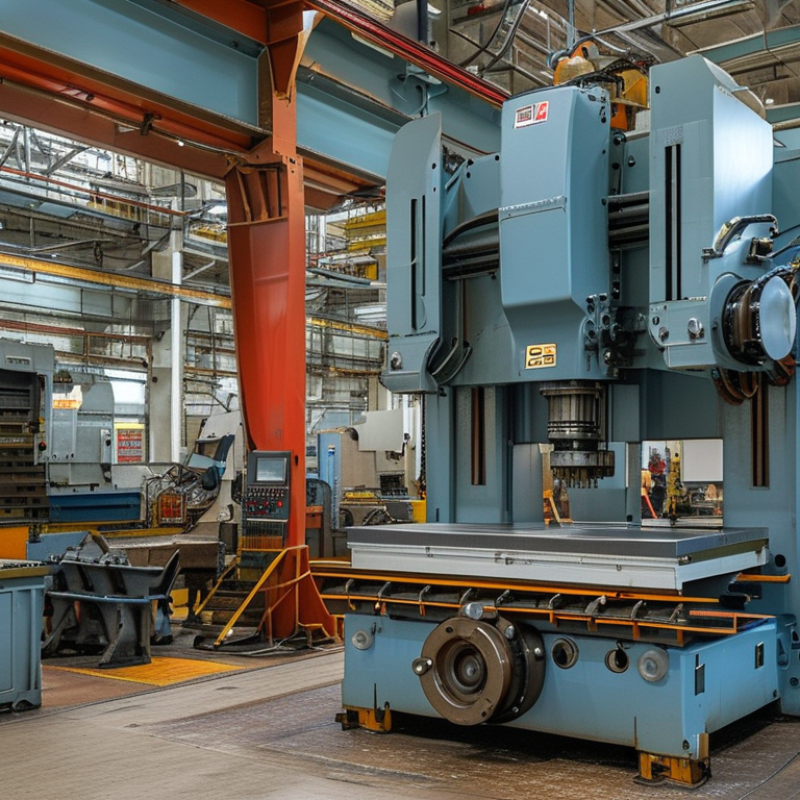
Understanding Power Press Machines: Types and Applications
Power press machines are essential in various manufacturing sectors. They are versatile tools used for metal forming, stamping, and punching operations. Different types of power press machines cater to unique applications. Mechanical presses are commonly used for high-speed operations. Hydraulic presses excel in applications requiring high force and precision.
Choosing the right type is crucial yet challenging. Factors like production volume and material type impact selection. Users often struggle to balance power and speed. A machine that delivers high power might lack the necessary precision. These nuances require careful consideration.
Many users overlook maintenance, which can lead to equipment failure. Regular checks on alignment and lubrication can extend machine life. However, some operators neglect this, resulting in costly downtimes. Effective training for operators is often inadequate. This can affect machine operation and result in waste. Reflecting on these aspects is vital for making informed purchasing decisions.
Key Features to Consider When Buying a Power Press Machine
When considering the purchase of a power press machine, key features become paramount. The machine's type significantly affects its functionality. Hydraulic and mechanical presses serve different needs. Mechanical presses offer speed, while hydraulic ones provide flexibility and control. Industry reports indicate that nearly 70% of manufacturers prefer hydraulic machines due to their efficiency in intricate tasks.
Capacity and tonnage are also crucial factors. A machine's capability, often expressed in tons, dictates the maximum load it can handle. For instance, data shows that a 60-ton press can handle a wide range of applications. Knowing the load requirements of your projects is essential. Overestimating capacity may lead to unnecessary costs, while underestimating can result in project delays.
Lastly, safety features should never be overlooked. Guards, emergency stops, and pressure control systems are vital for protecting operators. A detailed analysis reveals that nearly 25% of workplace accidents stem from inadequate safety measures. Therefore, investing in a machine with robust safety protocols can enhance workplace reliability and worker confidence. Understanding these aspects can greatly inform your purchasing decision.
Power Press Machine Features Comparison
This bar chart compares important features of power press machines that global buyers should consider when purchasing. The chart includes various features along with their average scores based on performance and reliability metrics.
Evaluating Power Press Machine Brands: Top Manufacturers Overview
When searching for a power press machine, understanding the landscape of brands is essential. There are diverse manufacturers worldwide, each offering unique features. Some excel in durability, while others focus on advanced technology. Consider what aspects are crucial for your application. Does your project demand or heavy-duty performance? Recognizing this will help narrow down the choices.
Researching brand reputation is vital. Some manufacturers have long histories and a proven track record. Their machines often come with established reviews and feedback from users. However, newer brands may bring innovative designs that challenge the status quo. Be cautious; not all promising features hold up in real-world applications.
Evaluate customer support and warranties too. Moreover, not every high-end machine meets expectations. It's important to scrutinize user experiences. Some users report issues with reliability after purchase. An informed decision involves weighing both expert opinions and genuine user reviews. Aim for a balance between innovation and tried-and-tested performance. Your goals should guide your choice, always keeping in mind that what works for one user may not suit another.
Cost Analysis: Budgeting for Your Power Press Machine Purchase
When planning to purchase a power press machine, budgeting is essential. A thorough cost analysis involves examining not just the purchase price, but also ongoing expenses. These may include maintenance, parts, and energy consumption. Buyers should consider the machine's capacity and features that influence its initial and long-term costs. Overpaying for unnecessary features can strain your budget without providing real value.
For many, the decision often hinges on financing options available. Some machines may seem affordable upfront but carry high operational costs. It’s vital to assess potential ROI. Researching local service options for repairs can also impact your budget. Remember, unexpected breakdowns can lead to significant downtime and expenses. You don’t want to find yourself in a situation where savings on initial costs lead to major operational setbacks later on.
Consulting with industry experts can provide insights on typical price ranges and hidden costs. They can reveal crucial details that may not be immediately apparent. Engaging in discussions with other users may highlight common pitfalls. It's beneficial to gather opinions before making a final decision. This research phase can be time-consuming but ultimately pays off.
Maintenance Tips for Longevity of Your Power Press Machine
Maintaining a power press machine is crucial for its longevity and efficiency. Regular inspections can help identify wear and tear early. Check for loose components regularly. This prevents further damage and saves costs down the road. Lubrication is essential; use the right grease for your machine to reduce friction. Over-lubricating can lead to build-up and issues.
Keep the work area clean. Dust and metal shavings can interfere with the machine's functions. A clean environment prevents accidental obstructions. Ensure the cooling system is functioning properly. Overheating can cause serious damage and hinder performance.
Invest time in operator training. Knowledgeable operators can spot problems early. They can also maintain the machine effectively. Neglecting training can lead to errors. Finally, keep a detailed maintenance log. It helps track the machine's performance history. Regular notes create a clearer picture of its condition.