2026 Top Architectural House Rendering Trends to Watch?
As we approach 2026, the landscape of Architectural House Rendering is evolving rapidly. This field is crucial for architects and designers, as it transforms concepts into visual realities. Emerging technologies are reshaping how we envision residential structures. Collaboration between professionals in various fields is necessary to adapt to these trends.
New rendering techniques are fostering impressive realism and detail. Virtual reality and augmented reality are becoming essential tools in presentations. These technologies enhance client experiences and allow for interactive exploration of designs. However, adapting to these advancements can be challenging. Some professionals might struggle with the integration of these tools into their workflows.
An increasing emphasis on sustainability is also shaping trends in Architectural House Rendering. Eco-friendly designs require careful attention to materials and energy efficiency. Clients are now more informed and expect innovative solutions. Balancing these expectations with feasibility remains a hurdle for many. The future of this discipline promises excitement and challenges as we navigate new possibilities.
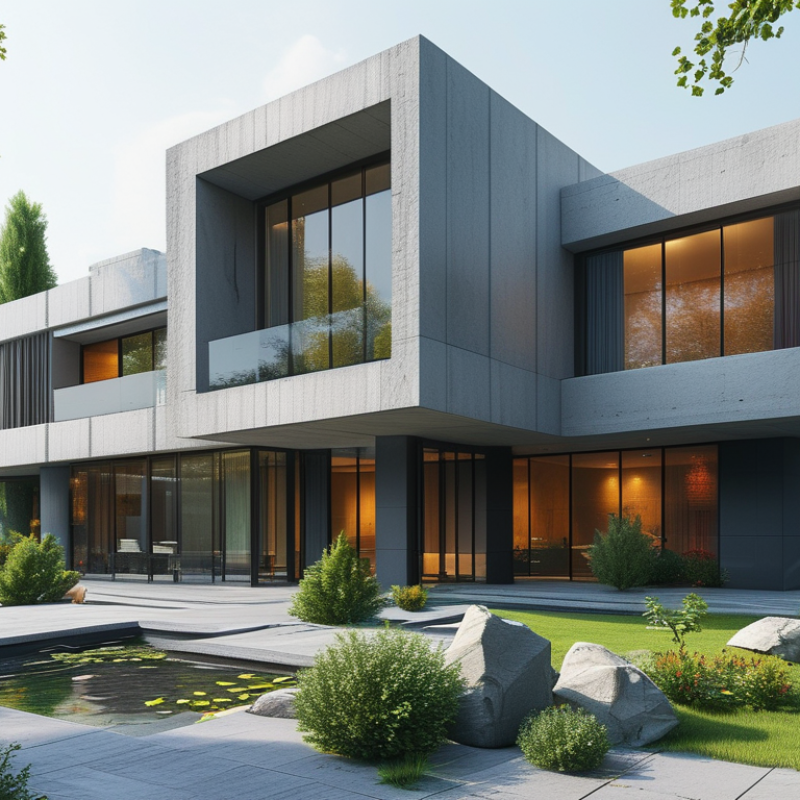
Key Innovations in Architectural House Rendering Techniques for 2026
The world of architectural house rendering is evolving rapidly. In 2026, several key innovations are set to redefine how architects and clients visualize homes. Among these, real-time rendering technology is gaining traction. This allows architects to make instant adjustments during presentations. The ability to see changes immediately fosters better collaboration and decision-making.
Virtual reality (VR) and augmented reality (AR) are also becoming vital tools. These technologies enable clients to experience spaces in an immersive way. Standing inside a rendered house before it's built creates a powerful emotional connection. This can often lead to more informed feedback about design choices, enhancing the overall process.
When working on architectural renderings, precision is crucial. Clear, detailed visuals can prevent misunderstandings. Yet, it's important to remember that no rendering is perfect. Lighting issues or material textures may not always translate well. Continuous refinement and open communication are key to reaching the desired outcome. Engage with clients and allow for their input. Gathering feedback will help improve the quality of work and build stronger relationships.
Emerging Technologies Shaping the Future of 3D Rendering in Architecture
The future of 3D rendering in architecture is being shaped by rapid technological advancements. Emerging tools in this field are enhancing visualization techniques and creative expression. According to a report by industry experts, 65% of architects are now incorporating virtual reality (VR) and augmented reality (AR) into their workflows. These technologies allow clients to experience spaces before construction begins, making the design process more interactive.
Furthermore, generative design tools are gaining traction, with 48% of architects using them to explore unique architectural solutions. These techniques enable the creation of complex forms that traditional methods may overlook. Still, challenges remain. Many professionals report a steep learning curve with these new tools. It can be daunting, and not all teams feel equipped to adapt quickly.
As artificial intelligence continues to evolve, its integration into rendering processes is expected to deepen. AI can analyze data and automate tasks, leading to efficiency gains. However, skepticism exists regarding its ethical implications and impact on creativity. Balancing technology and artistic vision remains a critical conversation point among designers. This interplay of tools pushes us to rethink our architectural narratives continually.
Sustainability Trends Influencing Architectural Visualizations in 2026
Sustainability is redefining architectural visualizations in 2026. Designers increasingly focus on eco-friendly materials and energy-efficient technologies. According to recent reports, 70% of architects now prioritize sustainable practices in their projects. This shift creates a notable impact on how houses are rendered and experienced.
Architectural visualizations are not just about aesthetics anymore. There is a demand for realistic depictions of green spaces and natural light. Research indicates that clients are more likely to engage with designs showcasing energy-efficient options. The integration of solar panels and green roofs in renderings is becoming standard practice.
Yet, challenges remain. Achieving photorealism while emphasizing sustainability can be complex. Some renderings may overlook the practicality of green features. The balance between artistic vision and realistic representation often leads to compromises. As architects continue pushing boundaries, the pressure to reflect true sustainability in every aspect will grow. This evolution calls for constant reassessment of how visualizations communicate the essence of modern, eco-conscious architecture.
Impact of Virtual Reality on Architectural House Renderings
The impact of virtual reality (VR) on architectural house renderings is profound. In 2022, a report revealed that 70% of architects believe VR enhances design communication. This technology allows clients to immerse themselves in a space before it is built. It creates an interactive experience that traditional 2D renderings cannot match. Virtual walkthroughs let clients visualize spatial arrangements better. They can experience light, texture, and dimension, which enhances decision-making.
However, there are challenges. Not all architects have the expertise in VR technology. This gap can lead to inconsistencies in visualization quality. A survey found that 60% of architects feel they need more training in VR applications. Additionally, producing high-quality VR content can be time-intensive. It requires a combination of artistic vision and technical skills. As a result, project timelines may lengthen, causing frustration for both clients and architects.
Despite these hurdles, the benefits are clear. VR's ability to showcase design intent is invaluable. A well-implemented VR experience can lead to increased client satisfaction and fewer revisions. As the industry evolves, overcoming these challenges will be essential. Embracing VR could redefine how architectural designs are presented and understood.
2026 Architectural House Rendering Trends
Color Palettes and Aesthetics to Define Architectural Renderings in 2026
Architectural renderings in 2026 are set to embrace innovative color palettes and aesthetics. A focus on nature-inspired hues will transform designs, making structures feel alive and connected to the environment. Earthy tones mixed with vibrant colors will create a striking visual contrast. Warm terracotta, cool greens, and deep blues offer refreshing choices for architects seeking balance.
Textures will also play a pivotal role in renderings. Natural materials like wood, stone, and metal can enhance the overall aesthetic. Combining these elements with innovative lighting techniques adds depth and emotion to visual representations. Experimenting with matte and glossy finishes can drastically change viewer perceptions. Each rendering should attempt to evoke a specific mood.
Incorporating unexpected color combinations can be challenging but rewarding. Consider how colors interact under different lighting conditions. Evaluating how the chosen palette resonates emotionally can lead to surprises. Each project should be approached with flexibility and open-mindedness. Reflecting on the effectiveness of your visual choices is crucial for growth. Allow room for revision until the intended atmosphere is achieved.