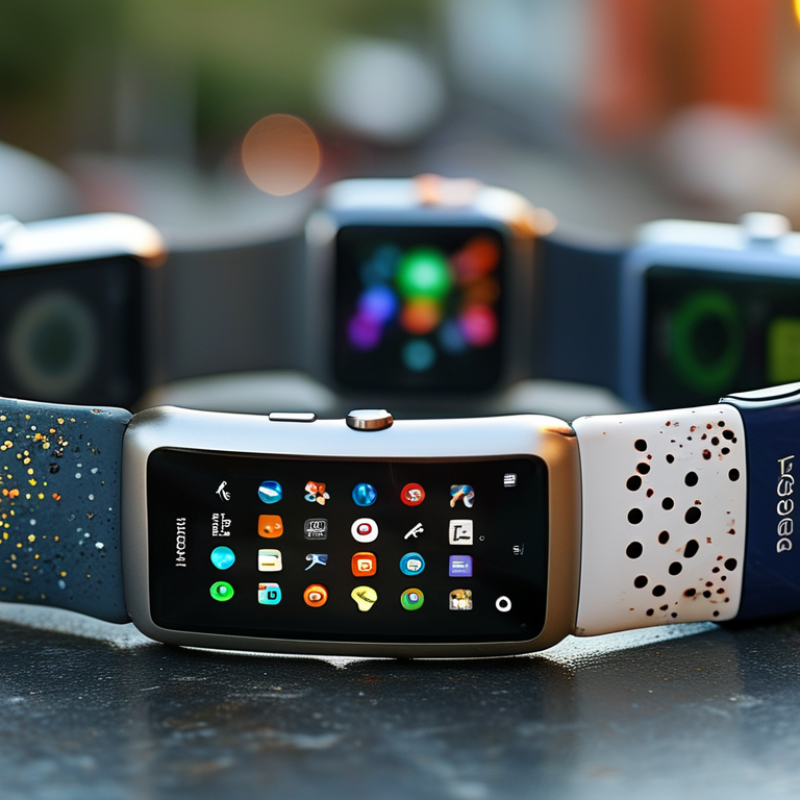
2026 Best Smartwatch For Android Buyers Guide?
In the rapidly evolving world of technology, choosing the best smartwatch for Android can feel overwhelming. Renowned tech expert, Sarah Johnson, once stated, “A smartwatch for Android should enhance your daily life, not complicate it.” Her insight highlights the importance of functionality and ease of use.
Many consumers are not aware of the vast options available. The market is flooded with features that cater to fitness, health, and connectivity. Each smartwatch for Android offers unique advantages and potential drawbacks. It’s essential to understand your needs before making a purchase decision.
As we navigate through 2026, the demand for smartwatches will continue to grow. Yet, the choices may also lead to confusion. Some models might boast impressive specs but lack in design, while others excel visually but fall short in functionality. Striking a balance between features and usability is crucial for any Android user.
2026 Smartwatch Market Overview: Trends and Key Statistics
The smartwatch market in 2026 is poised for significant growth. Recent statistics show an increase in consumer interest due to evolving technology and health tracking features. Wearers seek more than just notifications; they want fitness data, heart rate monitoring, and stress management tools.
Trends reveal that consumers are focusing on design and battery life as well. More people desire customizable options. The shift towards sustainability is also noticeable. Users prefer eco-friendly materials and energy-efficient components. However, some manufacturers still struggle with satisfying this demand. Addressing these issues may enhance their market position.
As features expand, so do user expectations. Integration with smart home devices is becoming standard. Yet, the complexity of these connections can frustrate users. A seamless experience remains a target for many brands yet to be fully realized. Continuous feedback from consumers is crucial in navigating these changes.
Top Features to Look for in Android Smartwatches (2026)
When choosing the best smartwatch for Android in 2026, consider key features that enhance functionality. Firstly, display quality matters. Look for AMOLED screens for vibrant colors and depth. Research from the International Data Corporation (IDC) indicates that nearly 70% of smartwatch users prioritize display clarity.
Battery life is another critical factor. Ideally, a smartwatch should last at least two days on a single charge. Studies show that battery longevity directly impacts user satisfaction. Smartwatches with efficient operating systems often perform better in this area.
Tip: Always examine user reviews. They provide insight into real-world performance. Another consideration is health tracking capabilities. Devices that monitor heart rates and sleep patterns can be beneficial. Some data suggests that accurate health metrics lead to improved fitness outcomes.
Connectivity features play a role too. Look for options supporting both Wi-Fi and Bluetooth. This ensures seamless syncing with devices. Despite advancements, some smartwatches still face connectivity issues. It’s essential to check compatibility with your smartphone.
Customization options can significantly enhance user experience. Many users prefer watch faces tailored to their style. The ability to change bands is also an essential consideration. Reflect on how these customizable features impact daily use. Keep imbalances between needs and offerings in mind.
Comparative Analysis of Leading Android Smartwatch Brands
When considering the best smartwatch for Android users in 2026, several key brands emerge. Each brand offers unique features and design aesthetics. Functionality varies significantly among them. Users should carefully evaluate what features align best with their lifestyle. Battery life, user interface, and app compatibility are crucial factors to consider.
Many Android smartwatches focus on health tracking. Some models boast advanced fitness metrics. Users appreciate GPS for outdoor activities, while heart rate monitoring aids in fitness goals. However, not all models provide the same accuracy. Potential buyers should be wary of exaggerated claims.
In terms of user experience, customization options differ greatly. Some smartwatches allow for extensive personalization. Others may feel restrictive and less user-friendly. Comfort during wear is another essential aspect that can influence daily usage. Users report discomfort with bulkier designs. It's vital to weigh aesthetics against practicality to find the perfect fit.
Battery Life and Charging Innovations in 2026 Smartwatches
As we approach 2026, battery life remains a critical factor for smartwatch users. Many smartwatches now offer impressive battery capacities, with some reaching over 40 hours on a single charge. However, real-world usage often reveals that performance can differ from manufacturer claims. Active features like GPS tracking or health monitoring can drain batteries faster than expected. Users may need to adjust settings regularly to maximize their watches' longevity.
Charging innovations have also taken center stage. Fast charging technology has improved, allowing devices to regain significant power within minutes. These advancements are essential for busy users who rely on their smartwatches throughout the day. Still, some models might require frequent charging due to power-hungry features. While quick charging offers convenience, it raises concerns about long-term battery health. It's vital to balance the need for speed with longevity to ensure a reliable user experience.
Smartwatches in 2026 are certainly more capable than ever. However, the quest for optimal battery performance often reveals room for improvement. Users sometimes face dilemmas about sustainability versus technological advancement. In the end, finding a smartwatch that aligns with your personal needs requires careful consideration of both battery life and charging features.
2026 Best Smartwatch For Android Buyers Guide - Battery Life and Charging Innovations
| Model | Battery Life | Charging Time | Fast Charging Support | Battery Capacity |
| Smartwatch A | 2 days | 1 hour | Yes | 350mAh |
| Smartwatch B | 3 days | 1.5 hours | Yes | 400mAh |
| Smartwatch C | 5 days | 2 hours | No | 450mAh |
| Smartwatch D | 4 days | 1 hour 15 minutes | Yes | 500mAh |
Pricing Trends and Value Assessment for Smartwatches in 2026
In 2026, smartwatch pricing reflects a dynamic market, driven by innovation and consumer preferences. As features expand, costs have seen significant fluctuation. While some devices remain affordable, others venture into premium pricing. Understanding these trends is crucial for buyers.
Many consumers seek value in durability and functionality. Smartwatches now often include health tracking, communication, and productivity tools. Yet, some models may lack certain features that justify their price. Potential buyers must evaluate which functionalities meet their specific needs. Price does not always equate to quality, necessitating careful consideration.
Price variations can also result from seasonal promotions and technological advancements. As new models are released, last year's options may drop in price. This creates opportunities for budget-conscious buyers. Awareness of these trends can lead to smarter purchasing decisions. Shoppers should remain mindful and reflective about their choices, prioritizing what matters most to them.