
Blog

2026 Best Dual Exhaust Tips for Performance and Style

Choosing the right Dual Exhaust Tips can change how a vehicle looks, sounds, and feels on the road. In 2026, buyers face polished stainless steel, carbon fiber, matte black, and ceramic-coated options. Each finish reacts differently to heat, moisture, road salt, and daily washing. A bright tip may look impressive beside a clean bumper. It can also reveal soot quickly. Small details matter here.

This guide evaluates exhaust tips through fitment, material quality, outlet size, heat resistance, and installation security. Manufacturer specifications provide a useful starting point. Real-world feedback adds another layer, especially after months of rain, highway driving, and repeated cold starts. I have learned that appearance alone is a poor buying guide. One aggressive design looked excellent in photos, yet its clamp alignment was frustrating during fitting. That experience still deserves reflection. A cheaper option is not automatically weak, but hidden compromises can appear later.

The best choices should complement the exhaust system without creating unsafe clearance issues. They should also follow local vehicle, noise, and emissions requirements. A larger outlet may sharpen visual presence, but it cannot fix a poorly designed exhaust system. Professional installation is sensible when welding, bumper cutting, or unusual pipe sizing is involved. The following recommendations balance performance-inspired styling with dependable construction and practical ownership. Some preferences remain subjective. That is part of the decision. A quiet touring car may need restraint, while a track-inspired build may suit a deeper, wider profile. This 2026 guide helps narrow those choices with evidence, realistic expectations, and attention to everyday use.
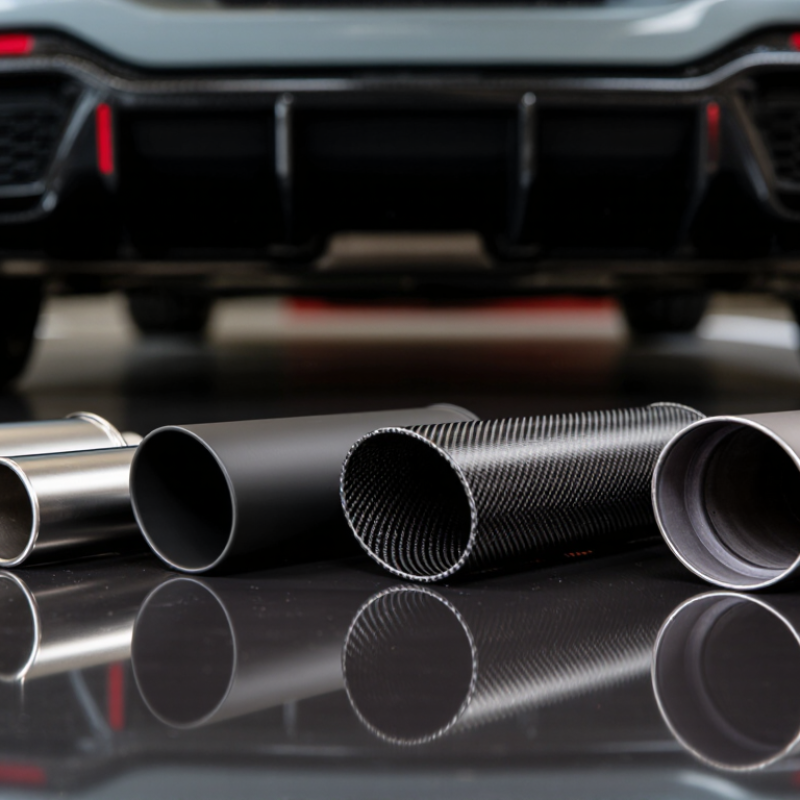
2026 Best Dual Exhaust Tips for Performance and Style

Understanding Dual Exhaust Tip Design and Performance Features

Dual Exhaust Tips for Performance and Style

Dual exhaust tips do more than decorate a rear bumper. Their design affects airflow, sound character, heat control, and visual balance. During fitment checks, I look at inlet diameter, outlet shape, wall thickness, and pipe alignment. A tip that sits too close to the bumper can discolor paint or trap heat. Small details matter.

A larger outlet may create a deeper impression, but it does not automatically increase engine power. The exhaust system, engine tuning, and pipe size determine most performance results. Slanted cuts can direct gases away from the body, while rolled edges soften the appearance. Double-wall construction often reduces surface heat and feels more substantial. Stainless steel handles moisture well, although it still needs cleaning after winter driving. I prefer secure clamps or professional welding, because loose tips can rattle over rough roads. My own judgment is not perfect; sound expectations sometimes exceed measurable gains.

Tips: Match the tip inlet to the existing pipe. Check clearance when the suspension moves. Keep both outlets evenly spaced. Use heat-resistant hardware. Listen for rattles after installation. Recheck the fit after several drives, since metal expands and settles.

2026 Best Dual Exhaust Tips for Performance and Style - Understanding Dual Exhaust Tip Design and Performance Features

Design Type Outlet Configuration Typical Inlet Size Typical Outlet Size Common Length Primary Material Wall Construction Flow and Sound Characteristics Best Use Installation Notes
Straight Dual-Outlet Tip Two parallel round outlets 2.00–3.00 in 2.25–3.50 in each 8–12 in 304 stainless steel Single-wall or reinforced single-wall Low restriction with a direct exhaust path; usually produces a crisp, noticeable tone Street cars and naturally aspirated performance systems Match the inlet diameter to the exhaust pipe and verify bumper clearance
Turn-Down Dual Tip Two outlets angled toward the ground 2.00–3.00 in 2.25–3.00 in each 6–10 in Stainless steel or aluminized steel Single-wall Directs exhaust gases away from the bumper; sound may be slightly more subdued outside the vehicle Vehicles with limited rear fascia space or off-road clearance needs Keep the outlets clear of suspension parts, heat shields, and the ground
Angle-Cut Dual Tip Two slanted round outlets 2.25–3.00 in 2.50–4.00 in each 8–14 in 304 stainless steel Reinforced single-wall or double-wall Similar flow to a straight tip when the internal passages remain open; gives a sharper visual profile Sport-oriented builds requiring a more aggressive appearance Confirm the cut angle aligns with the bumper opening before final tightening
Dual-Wall Polished Tip Two round outlets with rolled outer edges 2.25–3.50 in 2.50–4.00 in each 8–12 in 304 stainless steel Double-wall Adds thermal shielding and a fuller outlet appearance; sound change is generally minor Daily-driven vehicles prioritizing durability and finish quality The outer shell can retain heat; allow adequate clearance from plastic trim
Intercooled Dual Tip Two outlets connected by an external bridge 2.00–3.00 in 2.25–3.50 in each 8–13 in 304 stainless steel Double-wall outlet sections The bridge improves visual stiffness but does not increase engine power by itself; flow depends on the internal opening Show-focused street builds and custom rear exhaust layouts Check that the bridge does not interfere with the bumper cutout or exhaust hanger
Oval Dual-Outlet Tip Two oval outlets in a compact body 2.25–3.50 in 2.00–3.25 in each 7–11 in 304 stainless steel Single-wall or double-wall Compact packaging with a broad visual opening; restriction depends on the internal cross-sectional area Vehicles with wide but shallow bumper openings Measure the opening height and width, not just the pipe diameter
Black-Coated Dual Tip Two round outlets with a dark exterior finish 2.00–3.00 in 2.25–3.50 in each 8–12 in Stainless steel with high-temperature coating Single-wall or reinforced single-wall Performance is determined by the internal diameter; coating changes appearance rather than exhaust flow Dark exterior styling and understated performance builds Avoid abrasive cleaners and inspect the coating after repeated heat cycles
Clamp-On Dual Tip Two outlets attached to a single inlet body 2.00–3.00 in 2.25–3.50 in each 6–10 in Stainless steel or aluminized steel Single-wall Usually preserves the existing exhaust system; it does not replace a restrictive muffler or pipe section Appearance upgrades and reversible installations Use the correct clamp size, keep the tip fully supported, and recheck fasteners after driving

Technical note: Exhaust-tip dimensions, sound characteristics, and fitment vary by vehicle, pipe layout, muffler design, and bumper geometry. A larger outlet does not automatically increase horsepower; the inlet diameter and internal passage determine whether the tip creates additional restriction.

Comparing Materials, Sizes, Shapes, and Inlet Configurations

Choosing dual exhaust tips starts with material, because heat, moisture, and road salt test every finish. Stainless steel resists corrosion and keeps a clean surface after repeated heat cycles. Aluminized steel costs less, but its coating can weaken around damaged edges. Titanium is light and heat tolerant, though its price rarely suits a normal street car. I would inspect the weld area, not only the visible face. That is where poor finishing often appears.

Size should follow the exhaust outlet, not personal preference alone. A tip with a slightly larger inlet can fit with an adapter, but excessive expansion may look awkward and complicate clamping. Outlet diameter mainly changes visual balance and can slightly influence exhaust tone. Shape matters too. Round tips look restrained, while oval or rectangular designs suit wider rear fascias. Slash cuts add direction, yet they may expose soot unevenly. Small details matter.

For a true dual system, confirm whether each tip uses a separate inlet or a twin-inlet housing. Separate inlets offer easier alignment and replacement. A twin-inlet design can look neater, but spacing must match the pipes precisely. Measure inlet diameter, pipe center distance, bumper clearance, and insertion depth before ordering. Check heat shields. A tidy fit is not guaranteed by a polished finish. I avoid claiming major horsepower gains from tips alone; they usually change appearance and sound more than engine output. That limitation deserves honest attention.

2026 Best Dual Exhaust Tips for Performance and Style - Comparing Materials, Sizes, Shapes, and Inlet Configurations

Geometric comparison of common dual-exhaust configurations. Areas are calculated from the listed inlet and outlet dimensions using πr² for round sections and πab for oval sections.

304 Stainless Steel
Typical density: 8.0 g/cm³
High corrosion resistance and polished appearance.
409 Stainless Steel
Typical density: 7.7 g/cm³
Good heat resistance with a lower material cost.
Aluminized Steel
Typical density: 7.7 g/cm³
Aluminum-silicon coating improves oxidation resistance.
Titanium
Typical density: 4.5 g/cm³
Low density and strong heat resistance, usually at higher cost.

A larger outlet area does not automatically create more engine power. Exhaust-system performance also depends on pipe length, bends, muffler restriction, engine displacement, exhaust-gas velocity, and tuning. Dimensions shown are nominal geometric sizes; actual internal areas vary with wall thickness and manufacturing tolerances.

Selecting Tips for Power, Sound, Heat Control, and Vehicle Fit

Choosing dual exhaust tips should begin with vehicle fit, not appearance. Measure the pipe diameter, outlet spacing, and bumper cutout before ordering. A tip that sits too close can discolor paint or transfer heat to plastic trim. Stainless steel handles daily moisture well, while thicker walls usually resist vibration and dents better.

Power gains from tips alone are modest. They mainly shape exhaust flow after the muffler. An oversized outlet may weaken exhaust velocity and produce little real benefit. I once assumed a larger opening meant better performance, but testing showed a small difference. The engine, pipe diameter, and muffler design matter more. Keep the inlet size matched to the existing pipe, unless a qualified technician confirms another setup.

Sound requires careful judgment. Short, wide tips can make the note sharper, while longer designs may soften harsh frequencies. Cabin drone can appear at steady highway speeds. That detail is easy to miss during a brief test drive. For heat control, leave even clearance around the bumper and inspect the hangers for movement. Recheck the clamps after several heat cycles. Welded installation can be secure, but it may reduce future adjustment options. Fitment varies by vehicle year and trim, so verify measurements and installation guidance before cutting or drilling.

Installing and Positioning Dual Exhaust Tips Correctly

Dual exhaust tips should be positioned with measurement, not guesswork. Keep both outlets equal in height, angle, and visible length. A practical target is 12–25 millimeters beyond the rear fascia, depending on bumper design. Too much extension can look unfinished. Too little may trap heat beneath the bumper.

Leave clearance around plastic, wiring, and heat-sensitive coatings. Measure at least 50 millimeters from vulnerable surfaces when the manufacturer’s instructions allow it. SAE J1503 emphasizes repeatable exhaust-system testing, including outlet location and gas-flow conditions. That matters because a tip’s position can influence noise readings and heat exposure. The U.S. Environmental Protection Agency’s 2024 Automotive Trends Report also shows continued pressure to control vehicle emissions, so decorative tips must never obstruct the actual exhaust path.

Use a ruler and a level.

During installation, support the pipe before tightening clamps. Check clearance with the suspension loaded, not only with the vehicle lifted. After a short drive, inspect soot marks, loose hardware, and bumper discoloration. SEMA market analysis has valued U.S. automotive aftermarket spending above 50 billion dollars annually, showing strong demand for appearance upgrades. Yet expensive parts cannot correct poor alignment. I have seen symmetrical tips become uneven after one heat cycle. Recheck them. That small step is easy to overlook.

Maintaining Finish, Function, and Long-Term Durability

2026 Best Dual Exhaust Tips for Performance and Style

Maintaining Finish, Function, and Long-Term Durability

A dual-exhaust tip should look sharp after installation, not only during the first weekend. I inspect the outlets cold, checking soot, water marks, loose clamps, and uneven spacing. Small details matter. The tips need adequate bumper clearance and stable alignment. Excessive heat can discolor polished metal, especially when airflow or engine tuning changes. I once focused too much on appearance and missed a loose fastener. That mistake caused vibration marks within weeks.

Material choice affects maintenance. Stainless steel generally resists oxidation better than ordinary coated steel, but it is not corrosion-proof. Road salt, trapped moisture, and acidic soot still attack exposed surfaces. The NACE IMPACT study estimated global corrosion costs at 2.5 trillion dollars annually, equal to 3.4% of global GDP. That figure includes many industries, yet it shows why prevention deserves attention. Rinse salt from the inner lip, then dry the joint and surrounding bumper. Avoid harsh abrasives on colored or coated finishes.

Market demand also supports careful workmanship. SEMA’s 2024 market report valued the United States specialty-equipment market at about 52 billion dollars in 2023. More customization means more varied materials and installation quality. Use fasteners rated for exhaust heat, and recheck them after several heat cycles. ASTM B117 salt-spray testing can compare coatings, but it cannot predict exact roadside service life. Real conditions remain messier. Inspect every few months, especially after winter driving, and replace damaged hardware before movement enlarges the mounting holes.

Go to Top